Helsinki isn’t desperate for your attention. It won’t sell you romance or charm you with forced friendliness. The capital of Finland barely acknowledges you’re here. And that’s the point.

Spend five minutes and two things hit you fast: it’s colder than you expected and quieter than you thought possible. Stay longer, and you’ll notice the contradictions: efficiency mixed with slowness, modesty dressed up as pride, silence performing as communication.
Helsinki looks like a city built by compromise.
In Helsinki, silence isn’t awkward. It’s air. On trams, in cafés, in supermarket lines. Strangers keep to themselves. The logic is brutal: if you have something worth saying, say it. If not, shut up. That’s not rudeness. That’s manners.
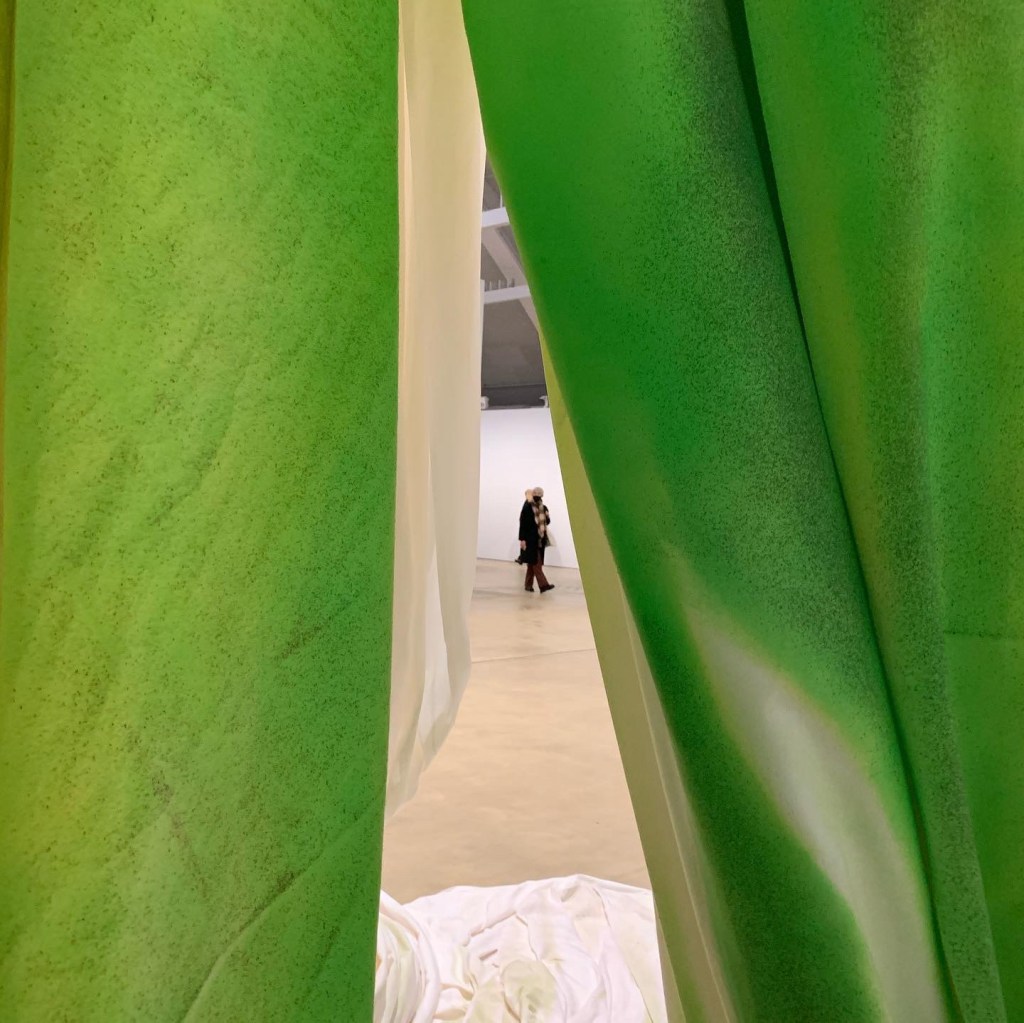
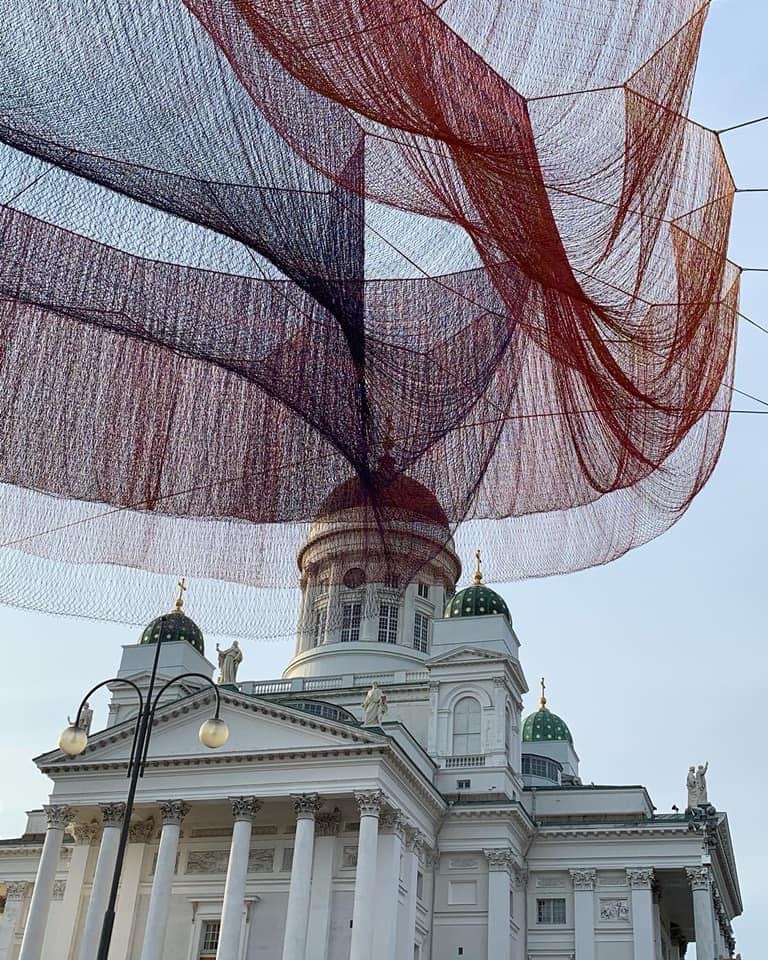
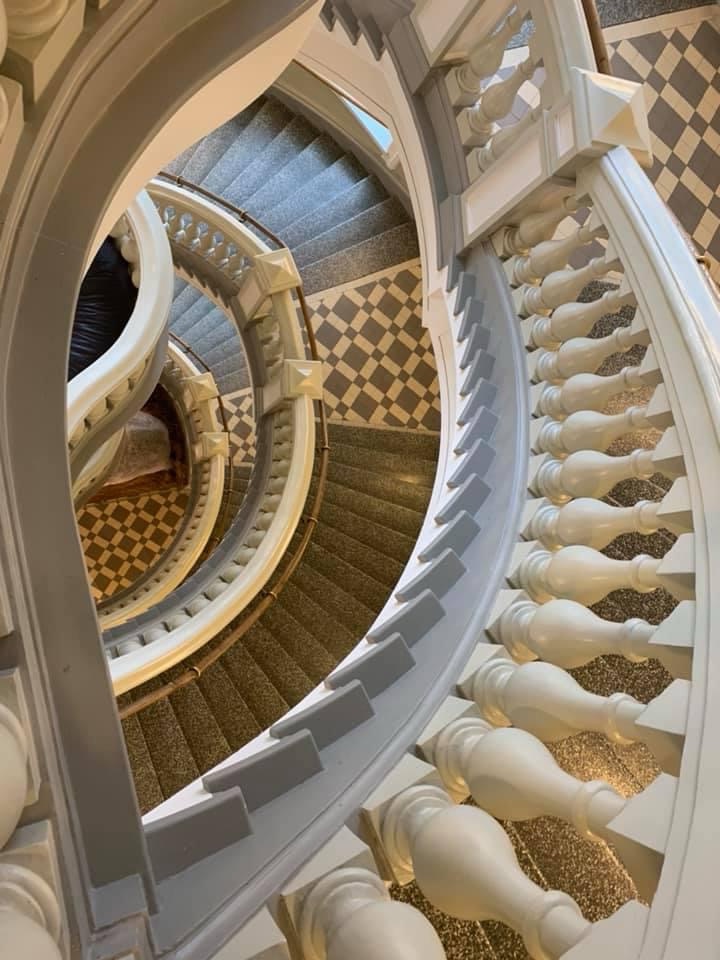
Helsinki looks like a city built by compromise. Neoclassical squares from the Russian era, art nouveau blocks from the 1900s, a brutalist library from the ’80s, and then, inevitably, mega-malls like Tripla designed more for logistics than beauty dropped in the middle of it all. Walk three blocks and you’ve time-traveled a century. Fascinating, yes. Bold, no. It’s design on mute. The rare exceptions are the spaces artists hijack and turn into something actually alive.
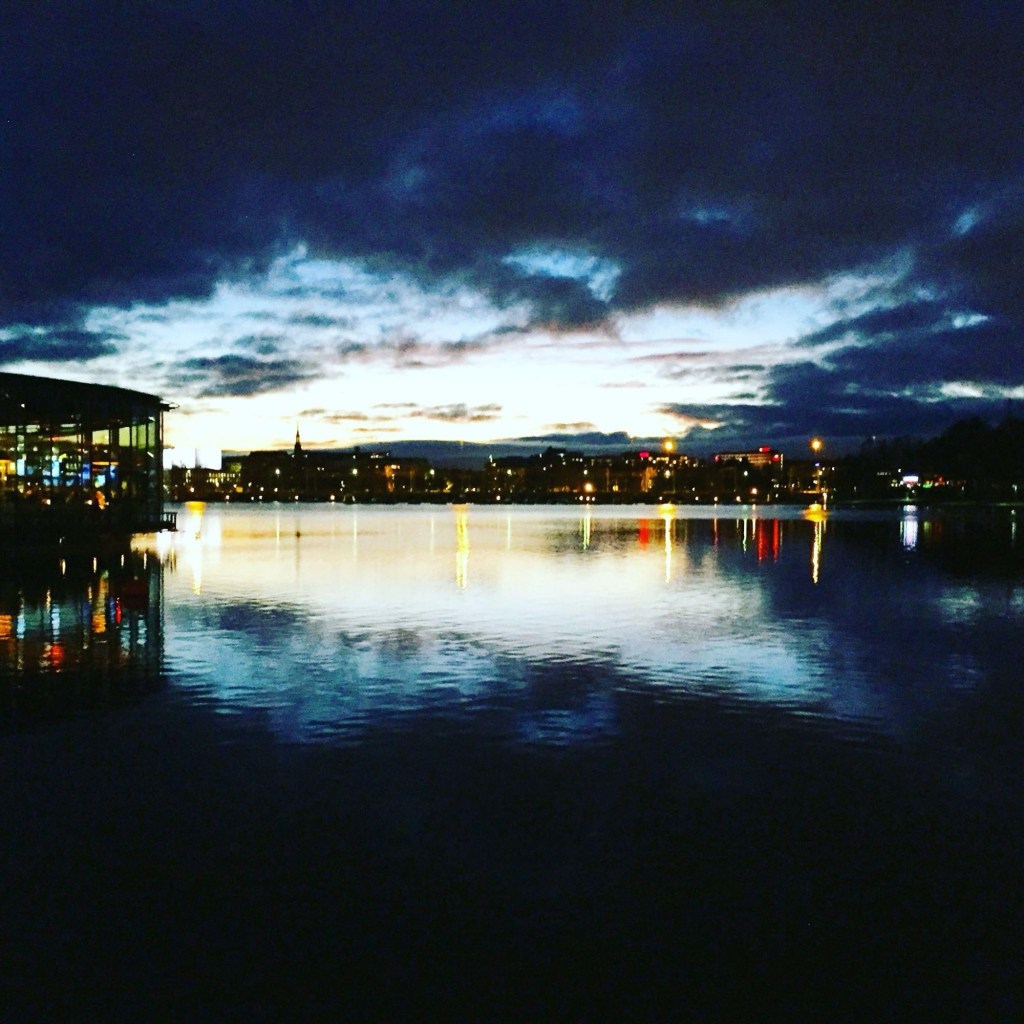
Helsinki doesn’t let you forget where you are. There are forests growing between apartment blocks. More than 300 islands just offshore. Seagulls running the harbor like thugs. Here, “nature” isn’t something you plan a trip for. It goes into your daily life whether you asked for it or not.
That’s Helsinki in five minutes: a city that doesn’t bother performing for you. And that, in its own cold way, is the performance.
Things work. Trains arrive when they’re supposed to. The metro is clean. Digital services don’t crash. You can pay with your phone for almost everything. But don’t expect a smile with your receipt. Helsinki offers service without the sugar. Politeness here is efficiency, not performance.
The capital of contradictions
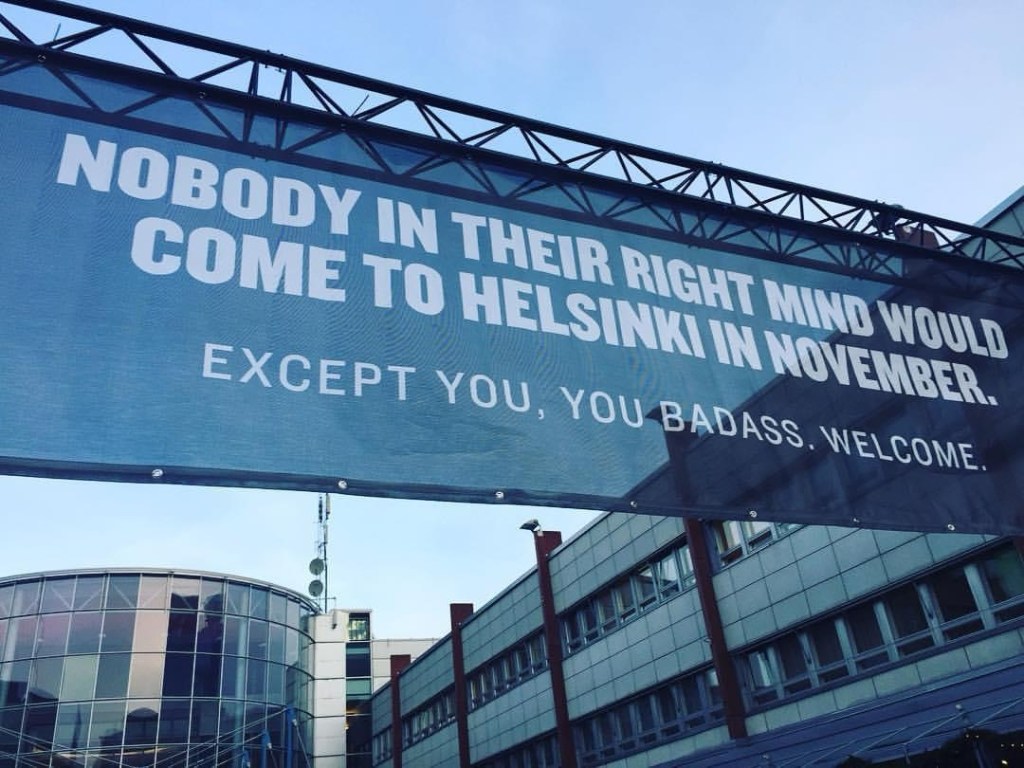

Helsinki is modest but proud. Efficient but relaxed. Stylish but practical. It allows individuality as long as it’s not too much. Too quiet? Normal. Too loud? Social suicide.
As I wrote in Finland’s UX Is Emotional Bandwidth: Some days I feel at home here. Other days I feel like I was born in the wrong emotional climate surrounded by polite silences and starved of proof that people actually care.
That’s Helsinki in five minutes: a city that doesn’t bother performing for you. And that, in its own cold way, is the performance.
The underground city
Helsinki looks modest on the surface, but the real city is underneath. Beneath the streets runs a parallel world: shopping malls connected by tunnels, parking garages that double as bomb shelters. In winter, people slip underground like it’s second nature, navigating from one side of the city to the other without stepping into the cold.
The logic is pure Helsinki: don’t brag, don’t decorate, just dig. While other capitals build upwards for visibility, Helsinki hides its best tricks below the surface, where no one can see them. It’s functional, a little paranoid, and strangely fitting. A city that avoids noise above ground builds entire lives in silence below it.

 Jackinna of all Trades