Madeira calls itself the “island of eternal spring,” and for once, the slogan is true. In June it was a steady breeze and 20 degrees, with flowers bursting everywhere. It’s one of those places you’ve always wanted to see without really knowing why.
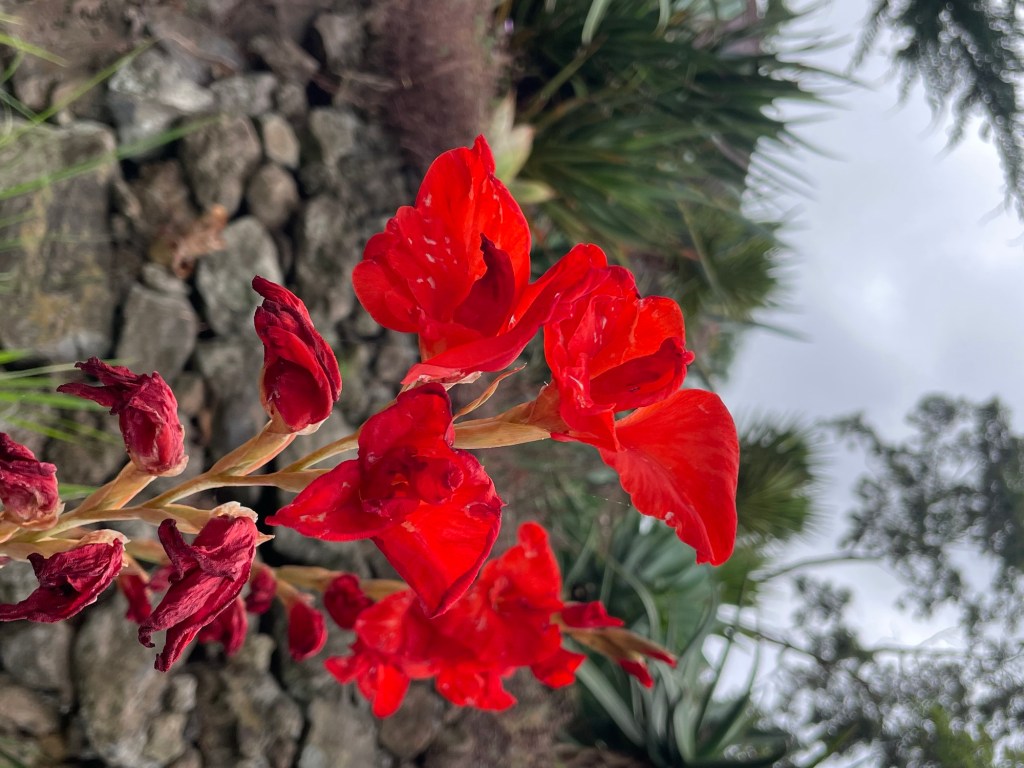
For our honeymoon we wanted something exotic, something completely different from our usual trips. In the past three years we’ve covered France and Belgium (Paris, Brugge), Italy (Lake Albano, Rome, Naples), the UK (London), and pretty much the whole Baltic circle (Tallinn, Tartu, Riga). Madeira felt like the opposite of all that.
Whatever your reason for going, Madeira has a way of proving you right. And here’s why.
A natural paradise
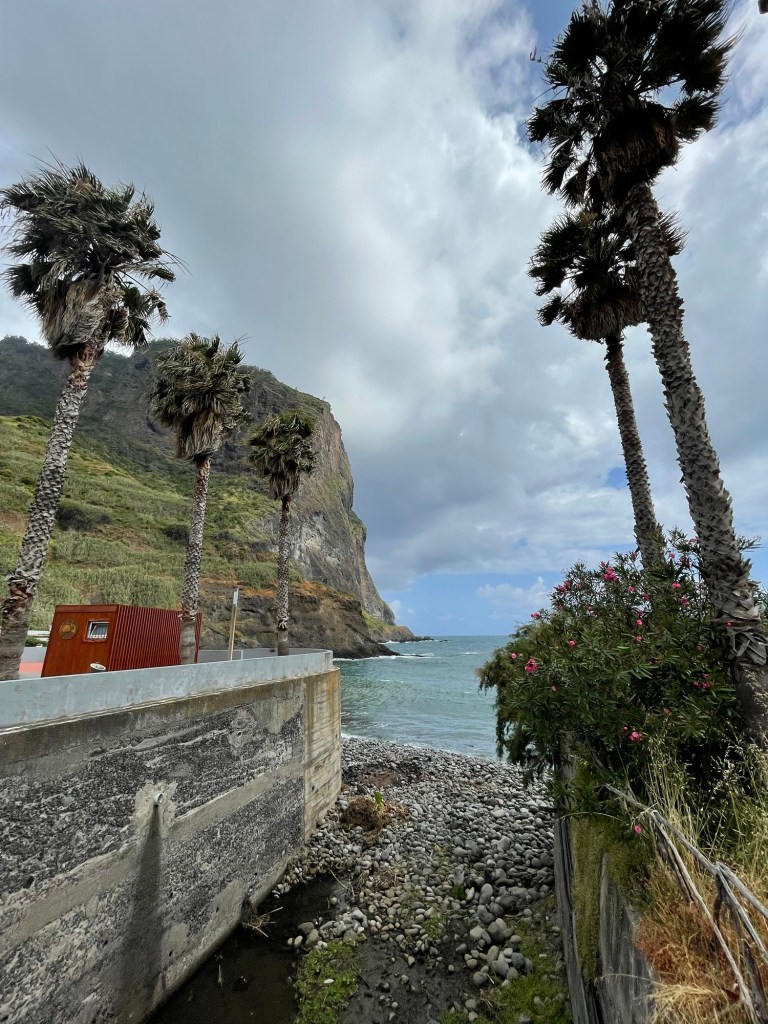
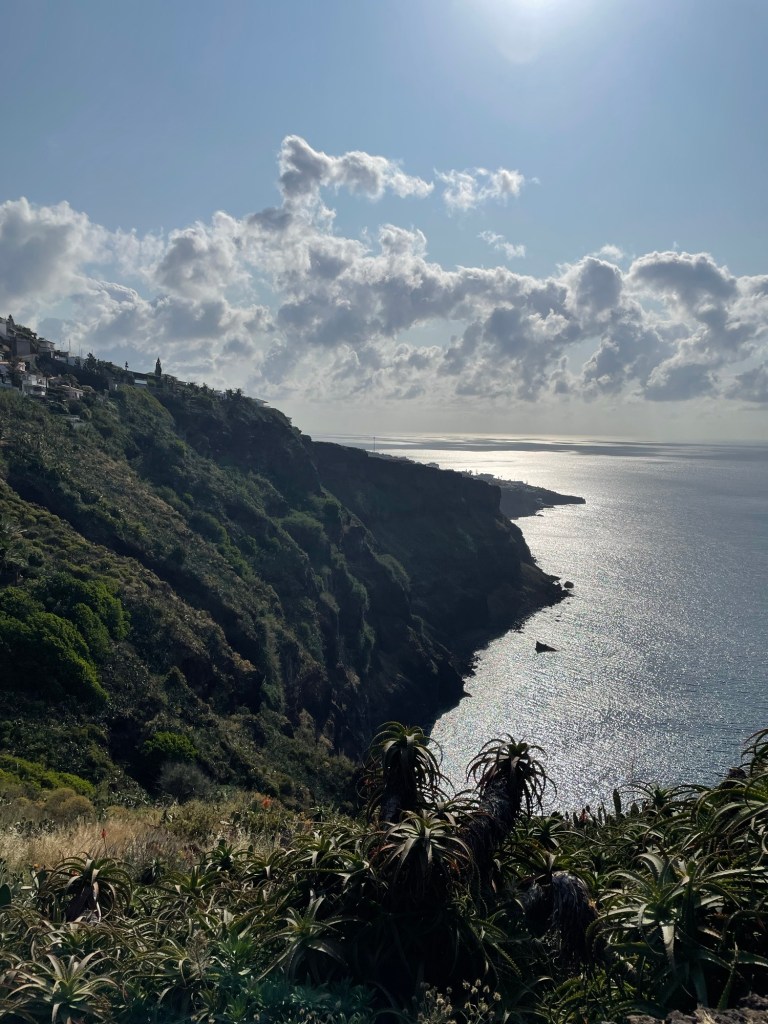
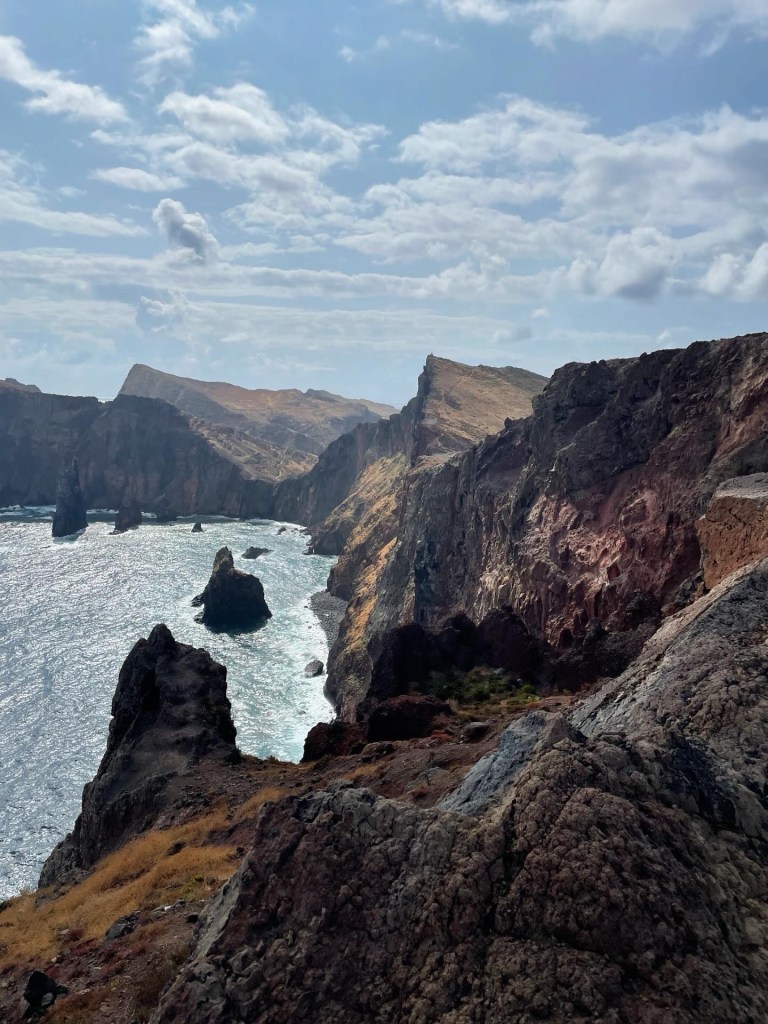
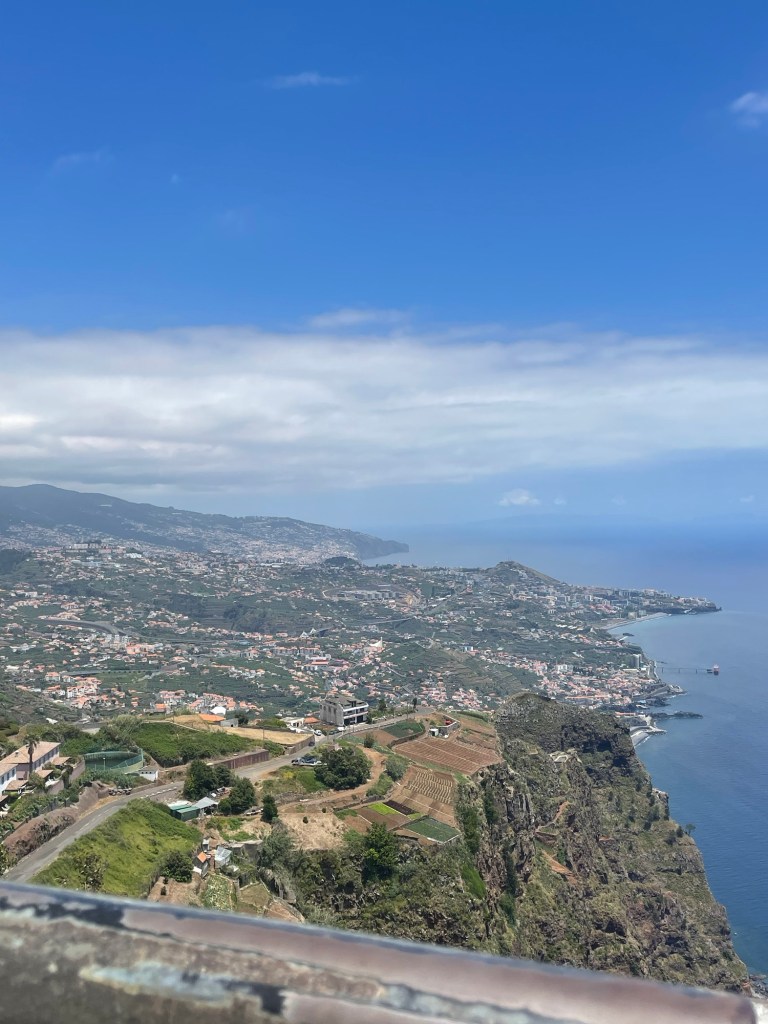
Madeira isn’t the kind of island where you lie on a beach for a week. It’s cliffs dropping into the Atlantic, prehistoric forests, and mountains with their own moods. Whatever you do, don’t just stay in Funchal – and no, you don’t necessarily need a car to see the island.
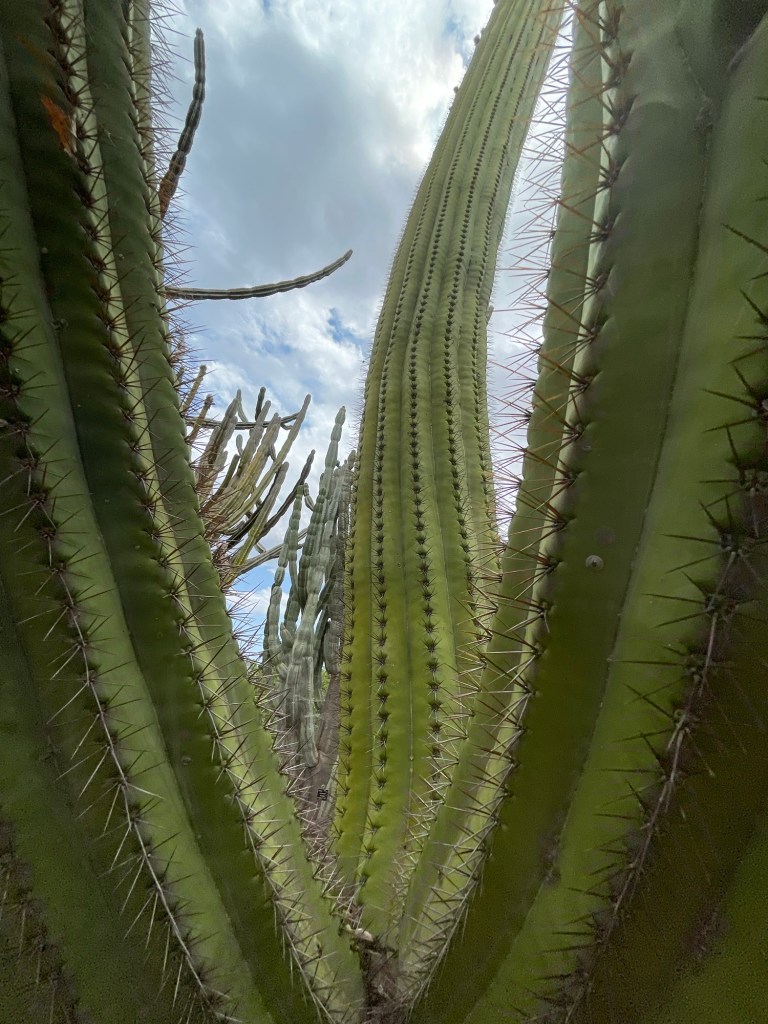
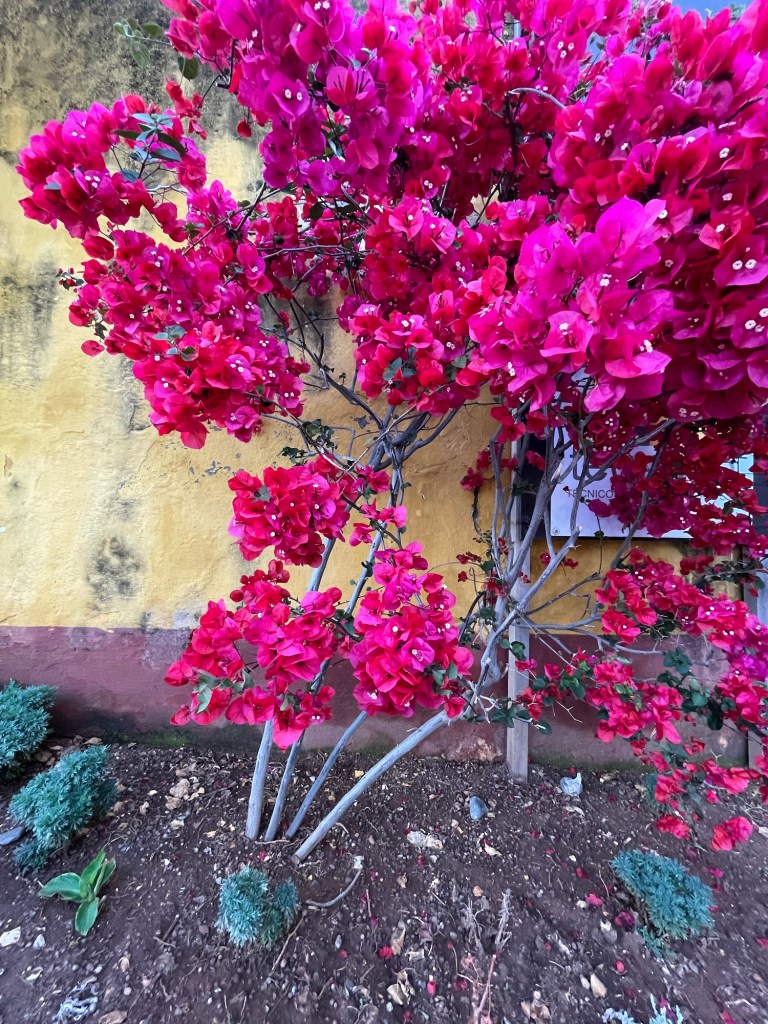
Madeira is wild, dramatic, and never still. It feels alive and full of color.
About levadas (and why we fix just one)
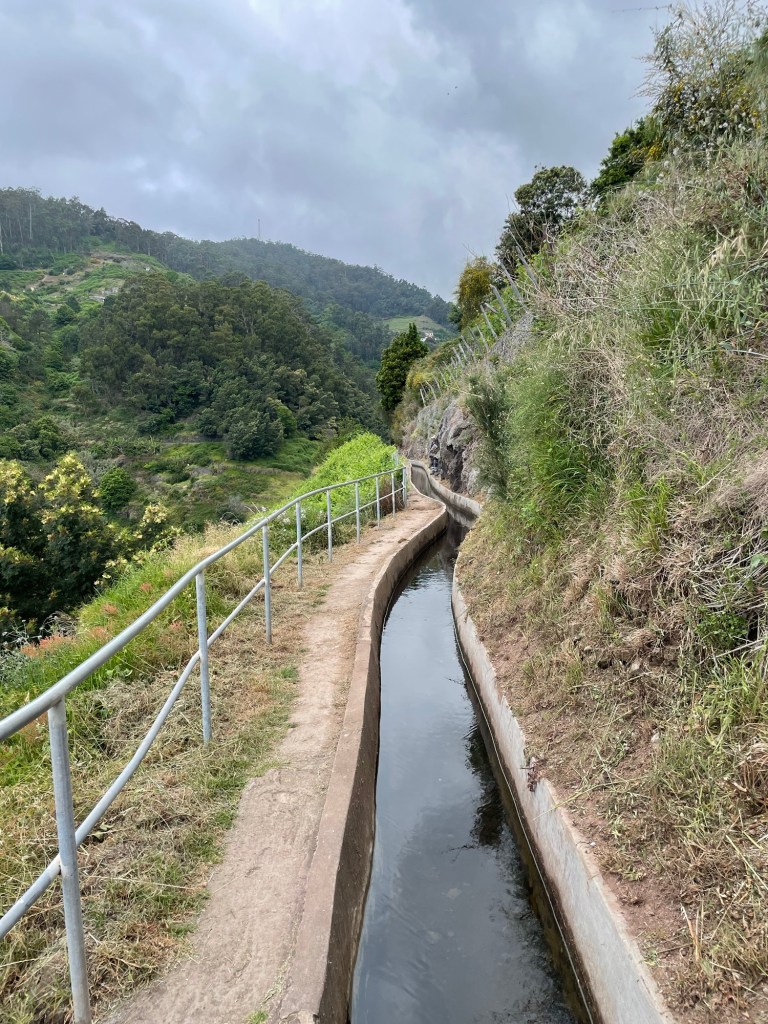
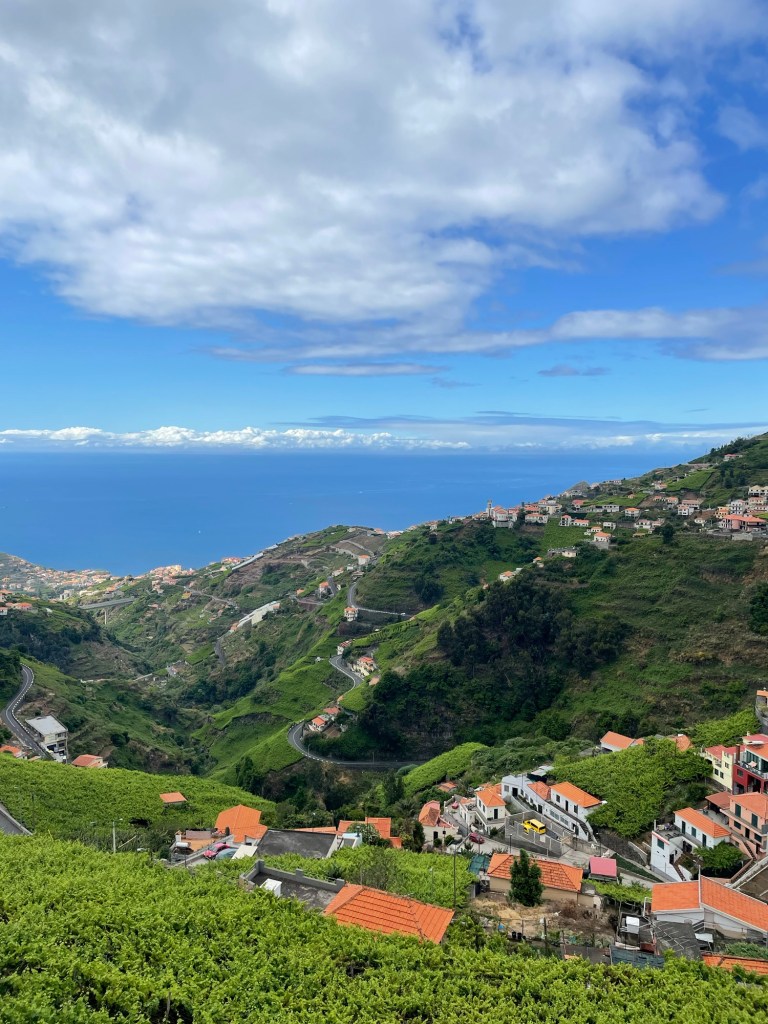

If you go to Madeira, everyone will tell you to do levada walks. And with reason. The levadas are narrow water channels cut into the mountains as far back as the 16th century, when farmers had to figure out how to bring water from the rainy north to the dry south. They were survival systems, built by hands, ropes, and patience. What once kept villages alive is now marketed as Madeira’s must-do tourist experience.
In theory, you could spend your whole holiday walking levadas. In practice, we did just one: Levada do Norte. And honestly, that was enough. It was peaceful, scenic, and gave us everything we wanted without turning our honeymoon into a fitness retreat. One good walk instead of ticking boxes. With Levada do Norte, we got the history, the views, and the strange feeling of walking along a channel built centuries ago that still works today. That felt like the right balance.
Support your locals
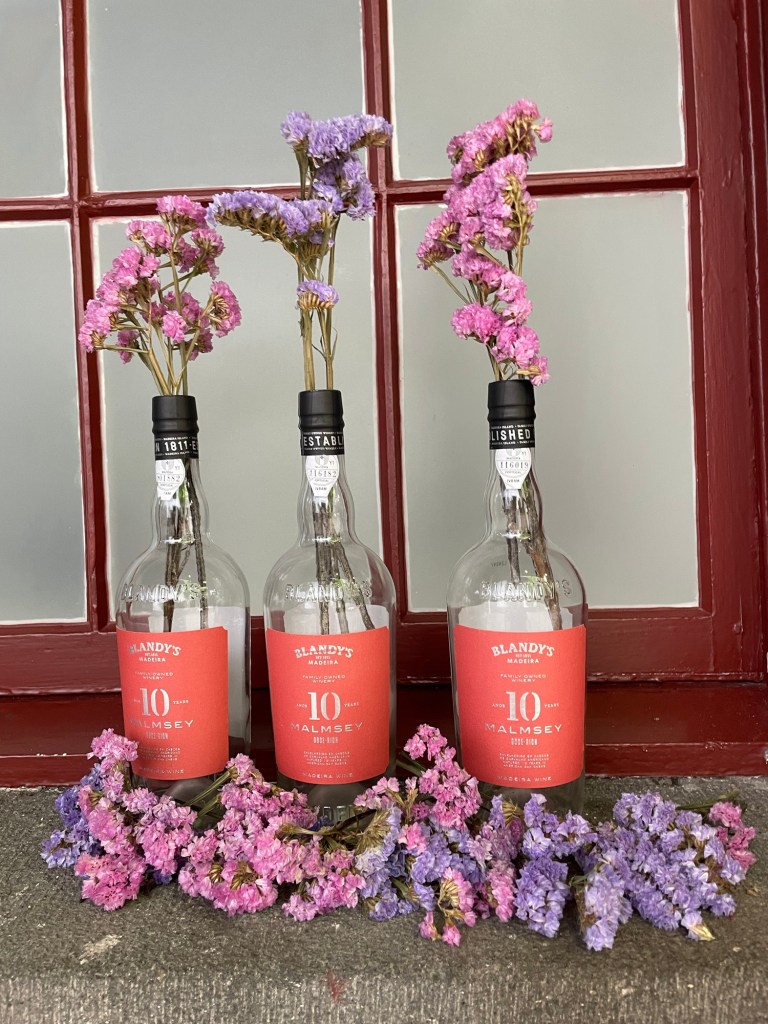
Madeira is built on what grows here: sugarcane and grapes. First it was sugar, then wine, and somewhere along the way rum and poncha became part of everyday life. Supporting the local producers isn’t just about being polite, it’s about actually tasting the island.

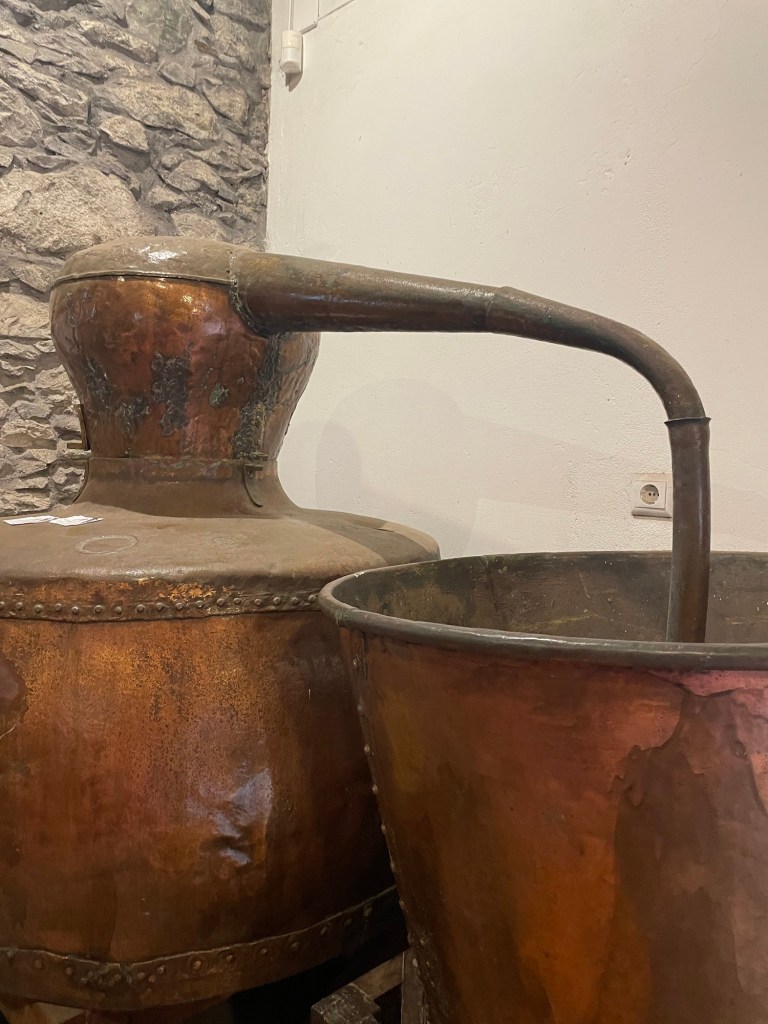
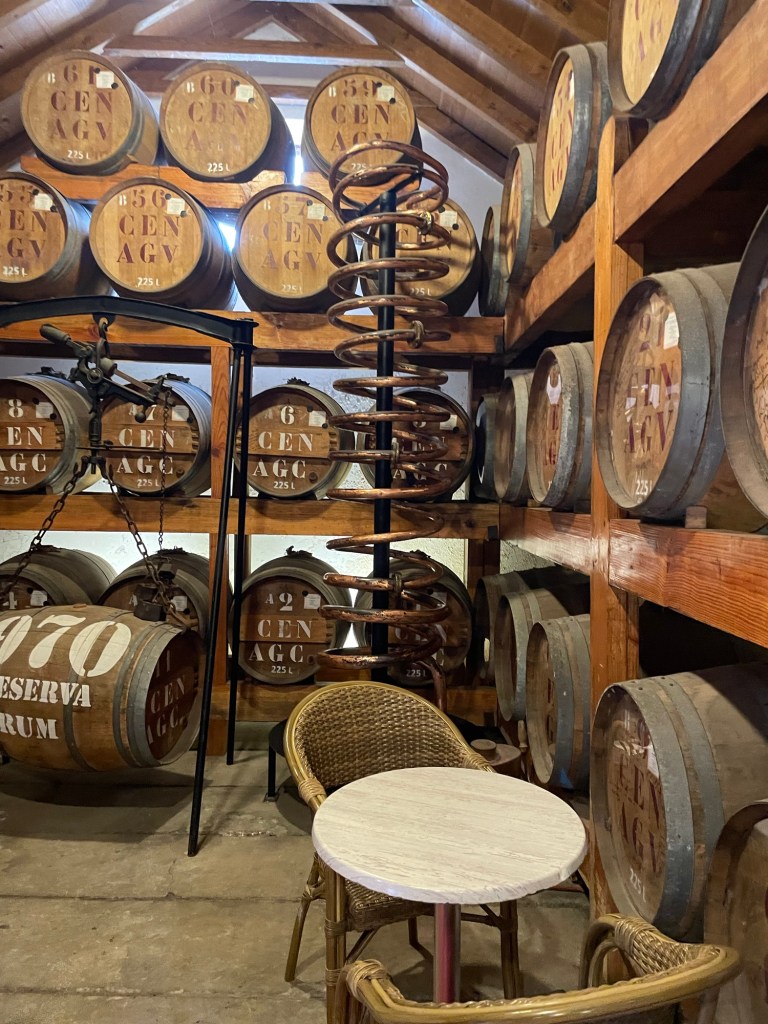
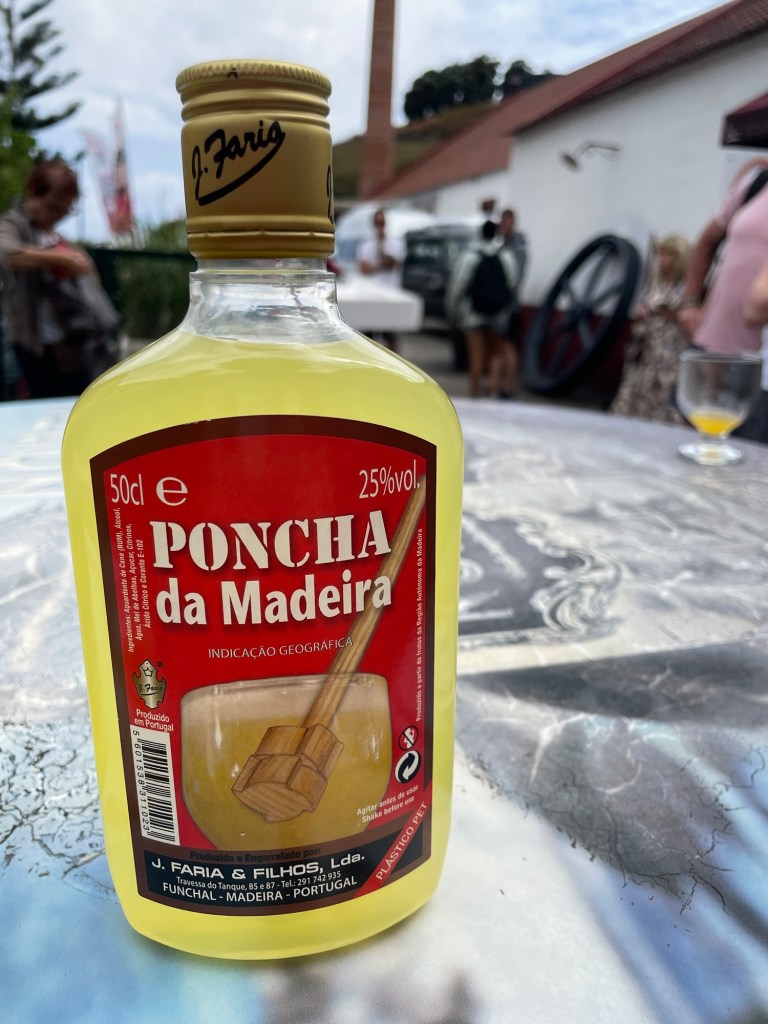


The rum is strong, fiery, and each glass tastes slightly different depending on who makes it. That’s the charm. It’s not about perfection; it’s about tradition.
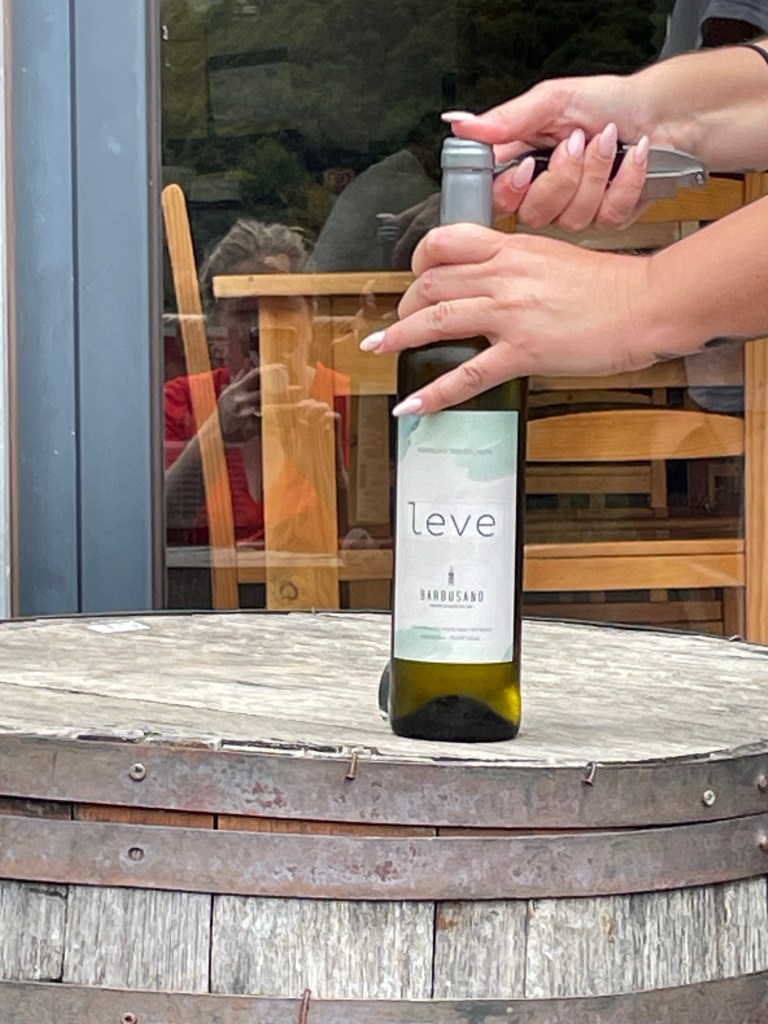
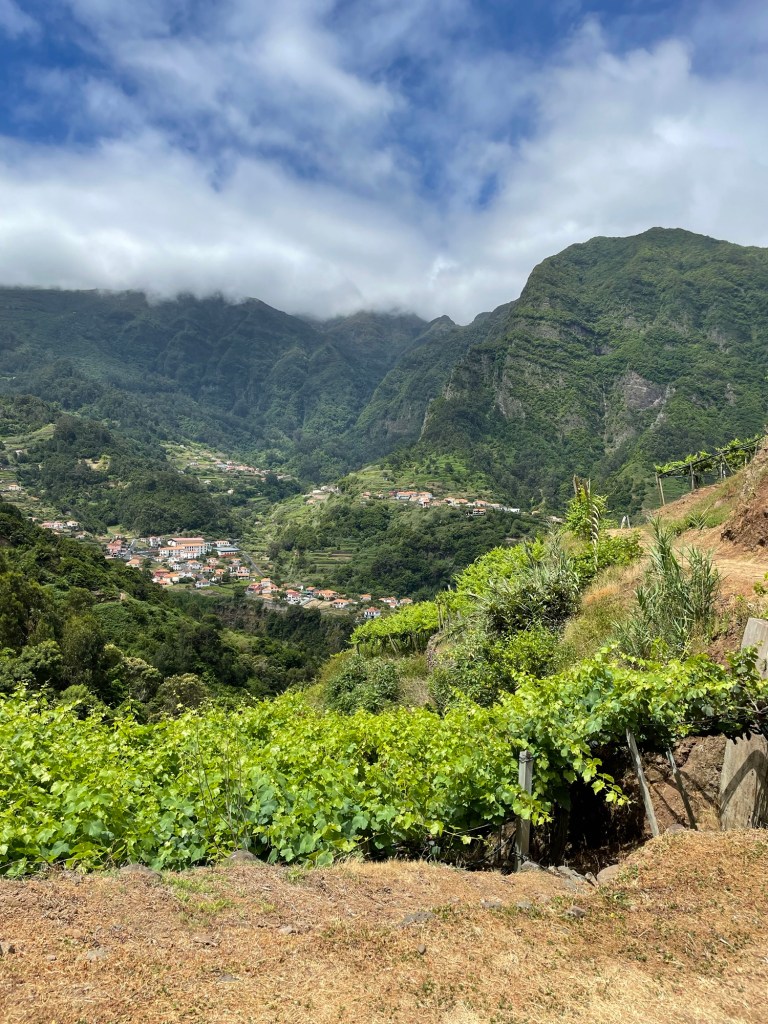
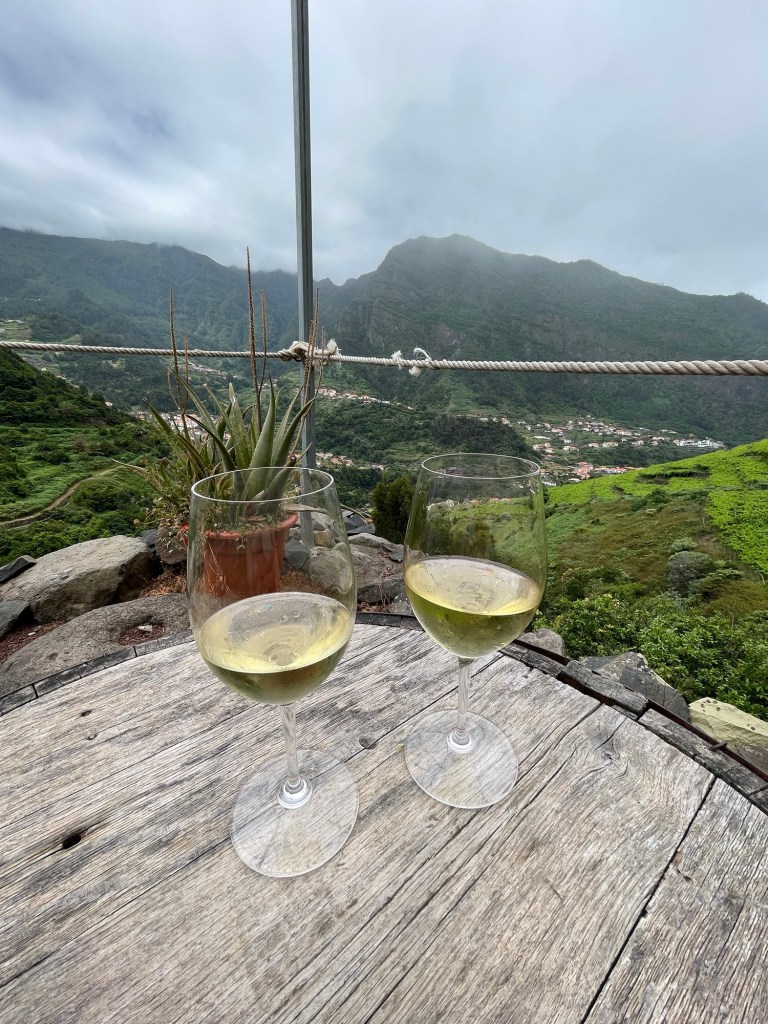
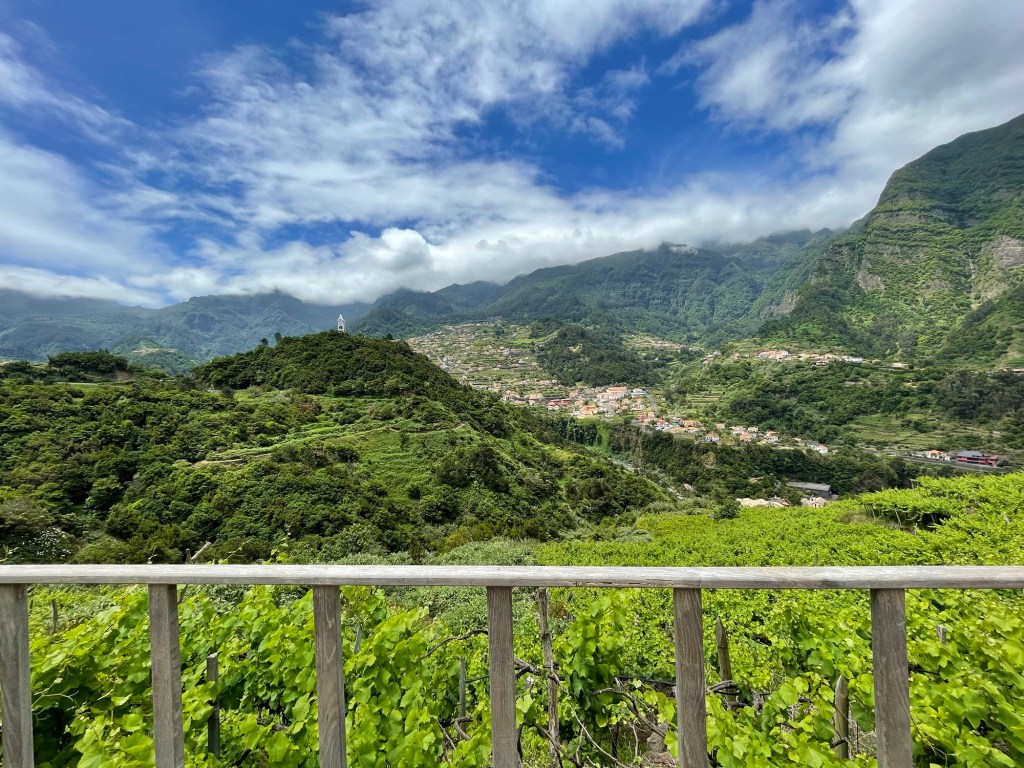
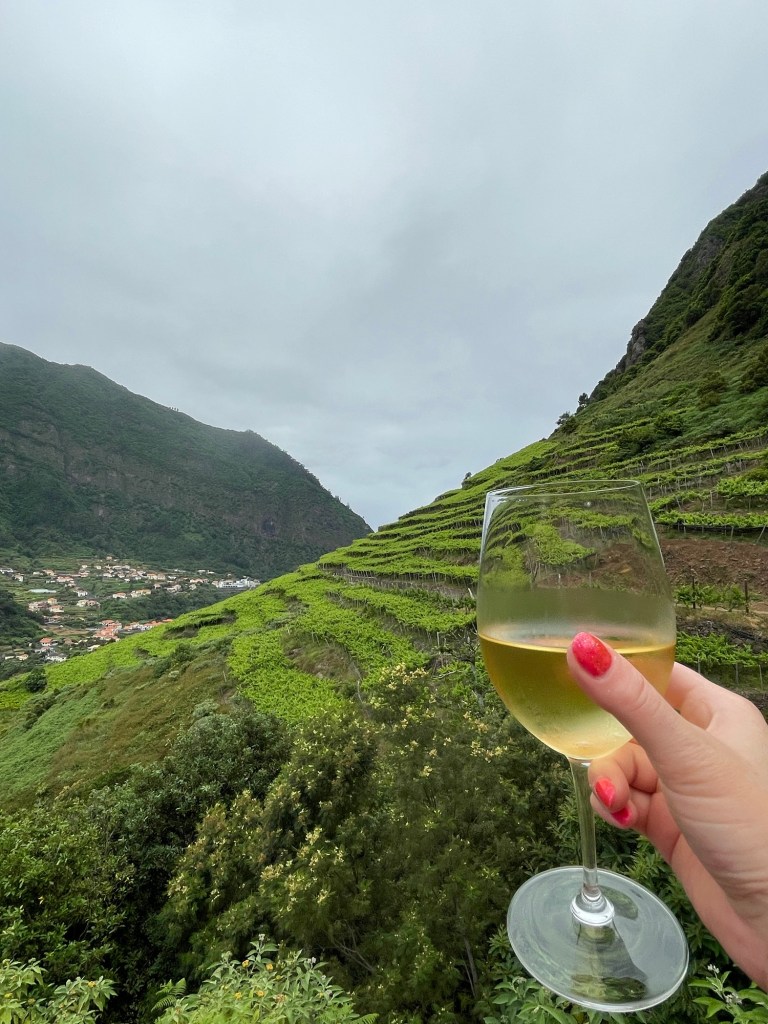
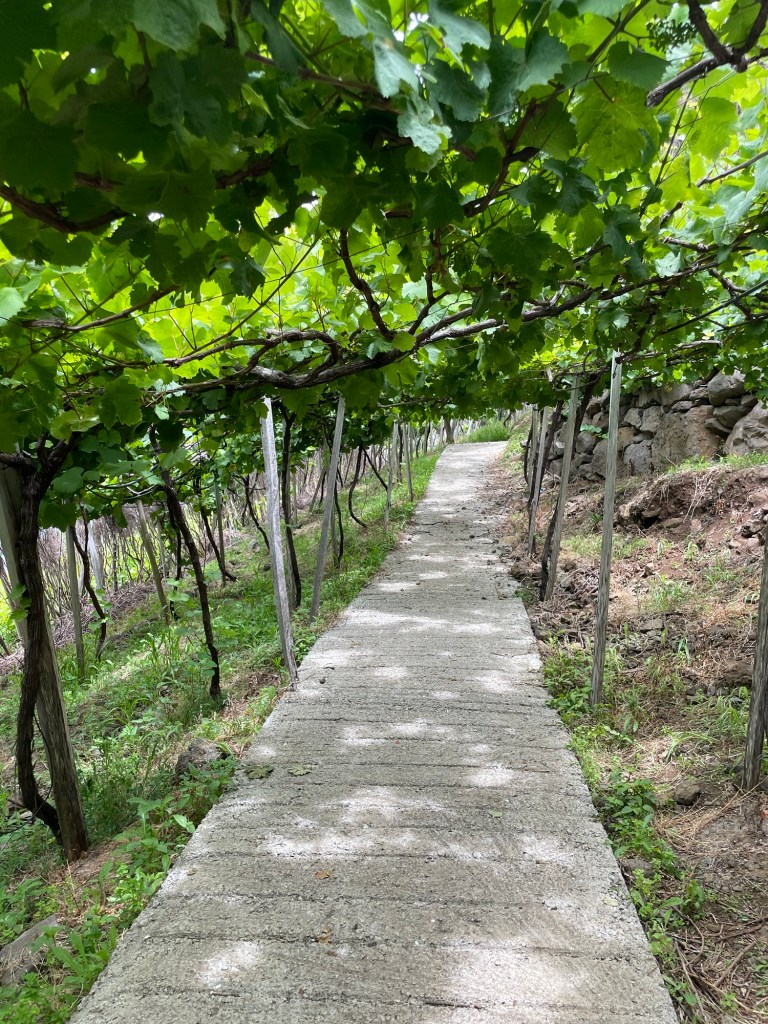
Then there’s the wine. Madeira wine is famous worldwide, you know, those fortified bottles that last forever and taste like liquid history. But what surprised us more were the new table wines. At places like Quinta do Barbusano, you find crisp whites and light reds grown on terraces so steep you wonder how anyone farms them. No supermarket branding, no tourist-trap shine, just honest wine made on an island in the middle of the Atlantic.
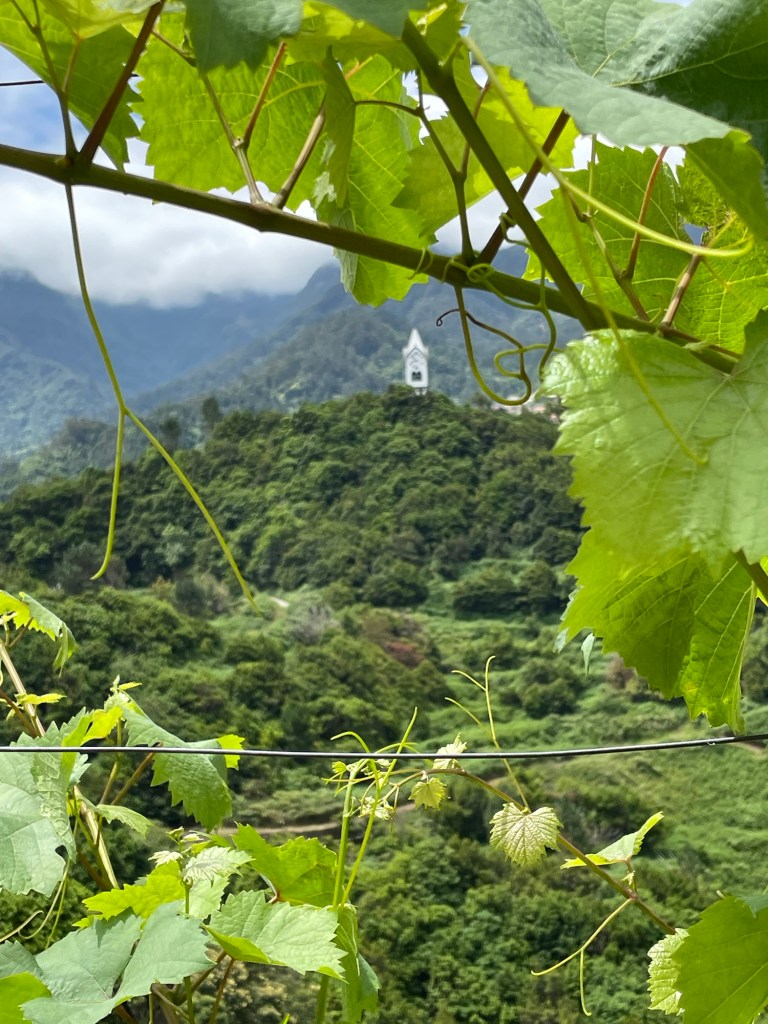
We even took a taxi from Funchal to get there. The driver waited a few hours while we did the tasting – and it was worth every minute.
If you want to understand Madeira, skip the imports and drink what they make there. It’s the easiest way to support locals and the best way to actually feel where you are.
São João – summer nights in Madeira
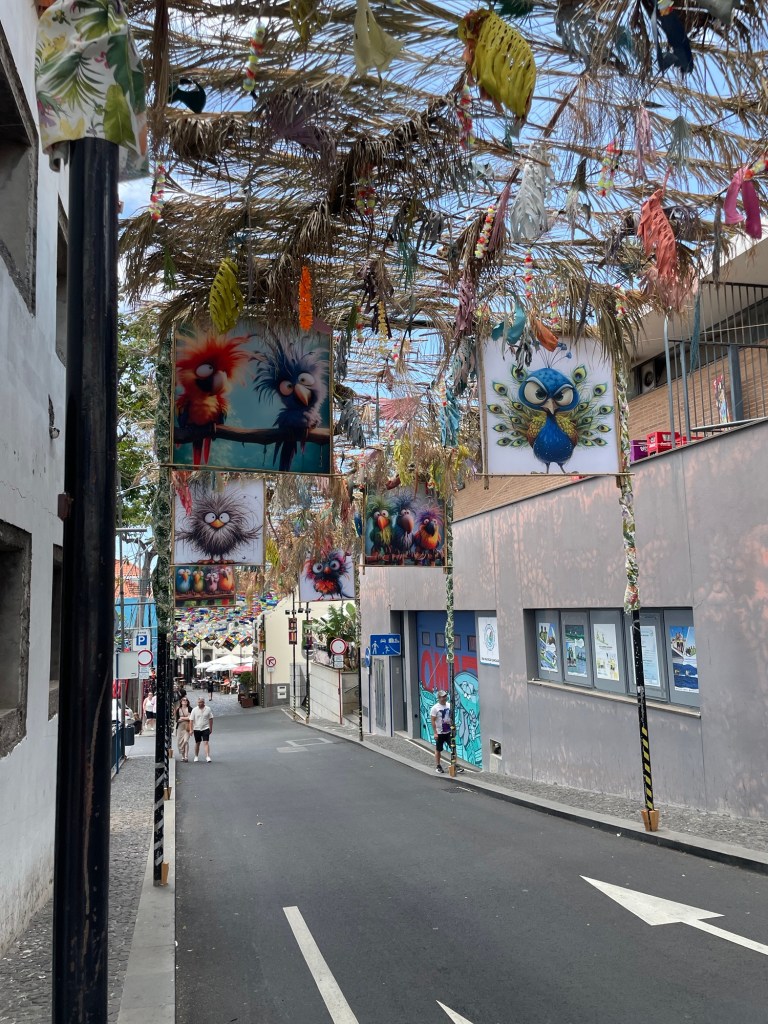
We didn’t just get the nature and the wine, we also stumbled into São João, the island’s big midsummer celebration. Think bonfires, food stalls, music, and people hanging out in the streets until late at night. It’s a mix of Catholic tradition and pure summer party energy, and Madeira doesn’t do it halfway.


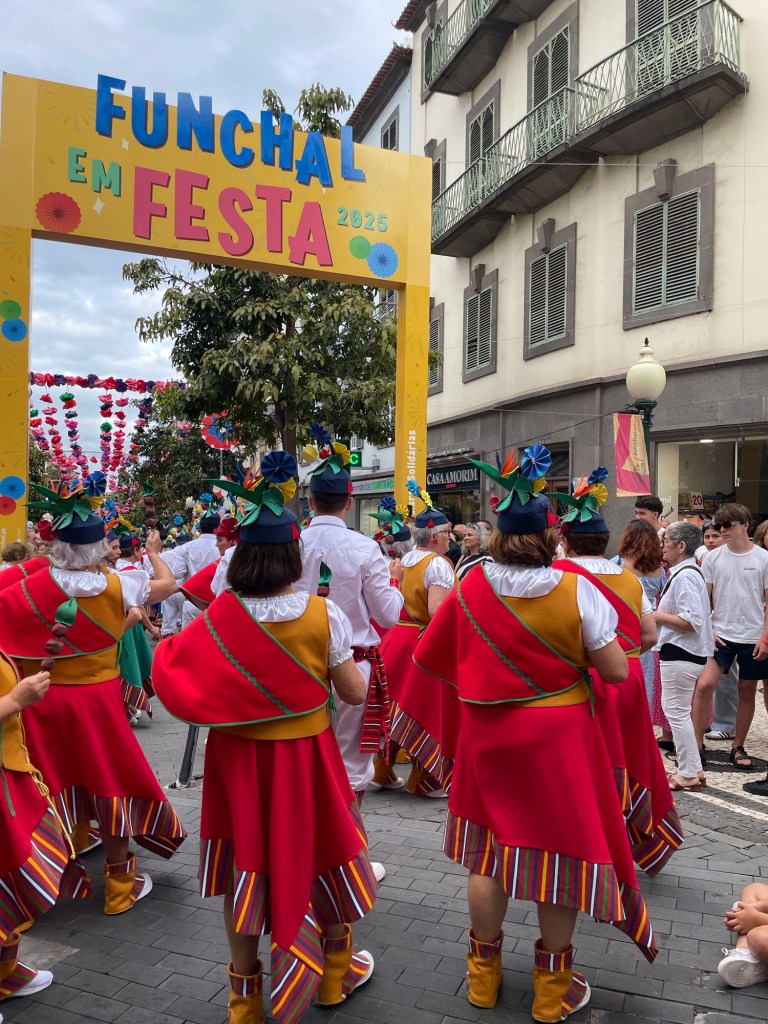
Everywhere you turn you see this island never misses a chance to show off. For us, it was the perfect honeymoon bonus: no plan, no ticket, just showing up and being pulled into the colourful party.
A short history and everyday culture
Madeira wasn’t always this postcard-perfect island of flowers and wine. When the Portuguese first set foot in 1419, it was uninhabited. That didn’t last long. Forests were cut down for timber, sugarcane was planted, and within decades Madeira became Europe’s sugar hub. “White gold,” they called it, was built on colonization, slaves, and hard labor.







When sugar moved on to Brazil, Madeira reinvented itself with wine. And not just any wine – this was the drink that crossed oceans without spoiling, got stronger with heat, and ended up in cellars all over the world.
The island’s position in the Atlantic made it more than just a holiday destination. For centuries it was a pit stop for ships between Europe, Africa, and the Americas. That meant sailors, merchants, missionaries, and opportunists constantly passing through. Each left a trace; in architecture, language, food.
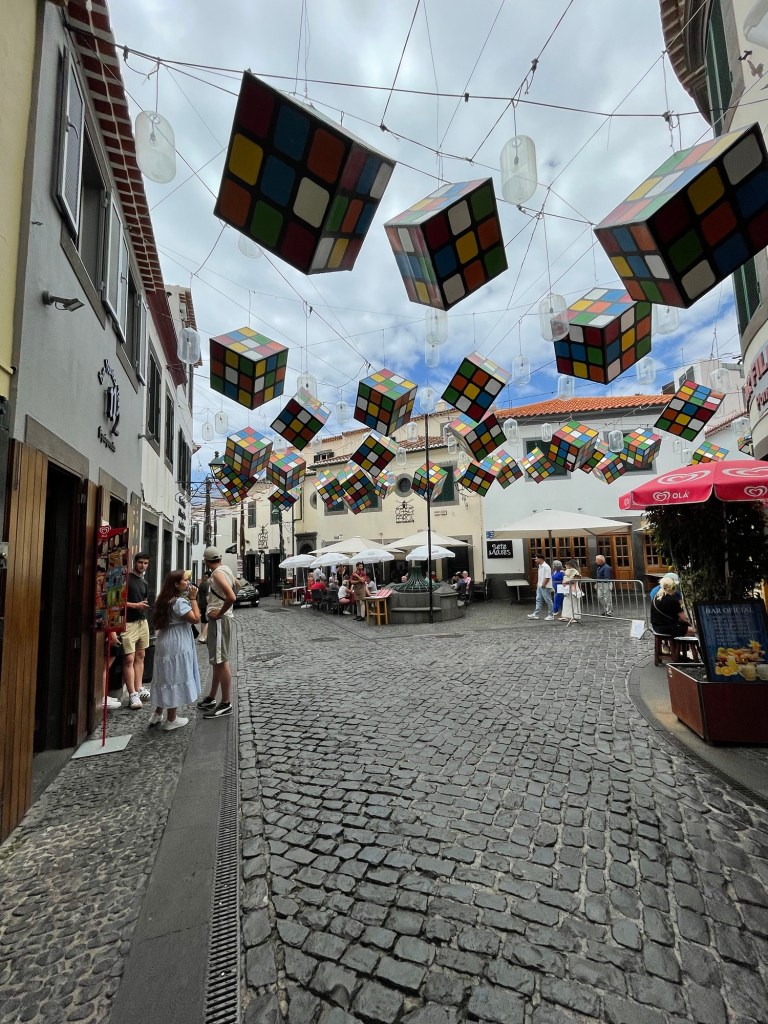
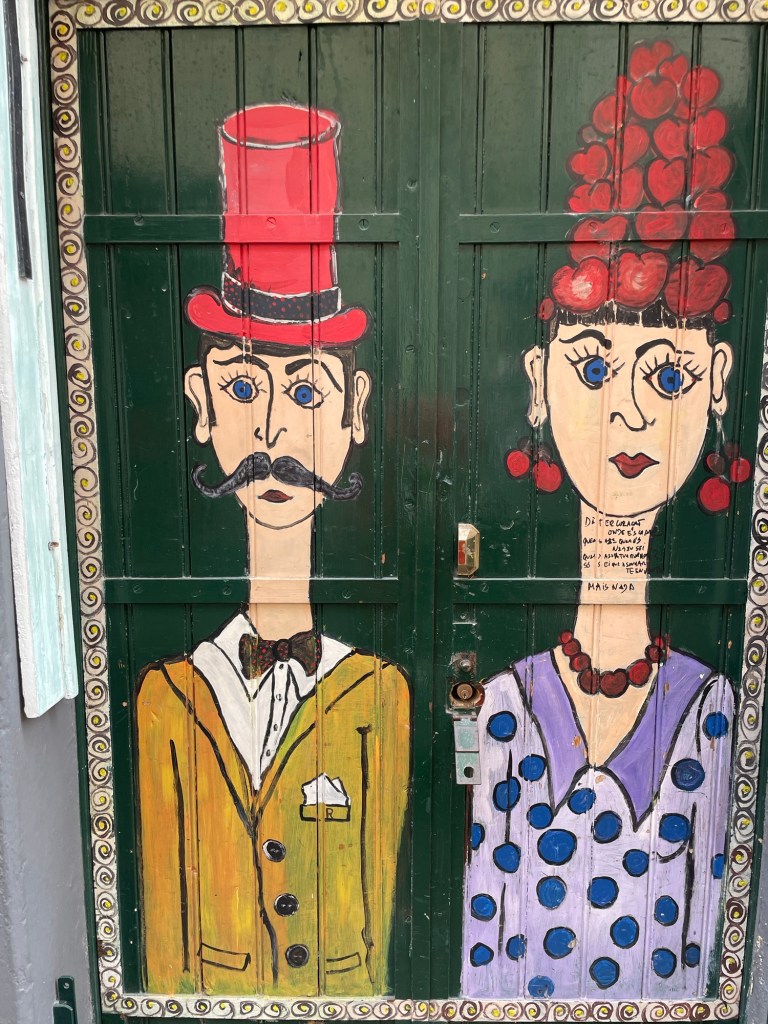
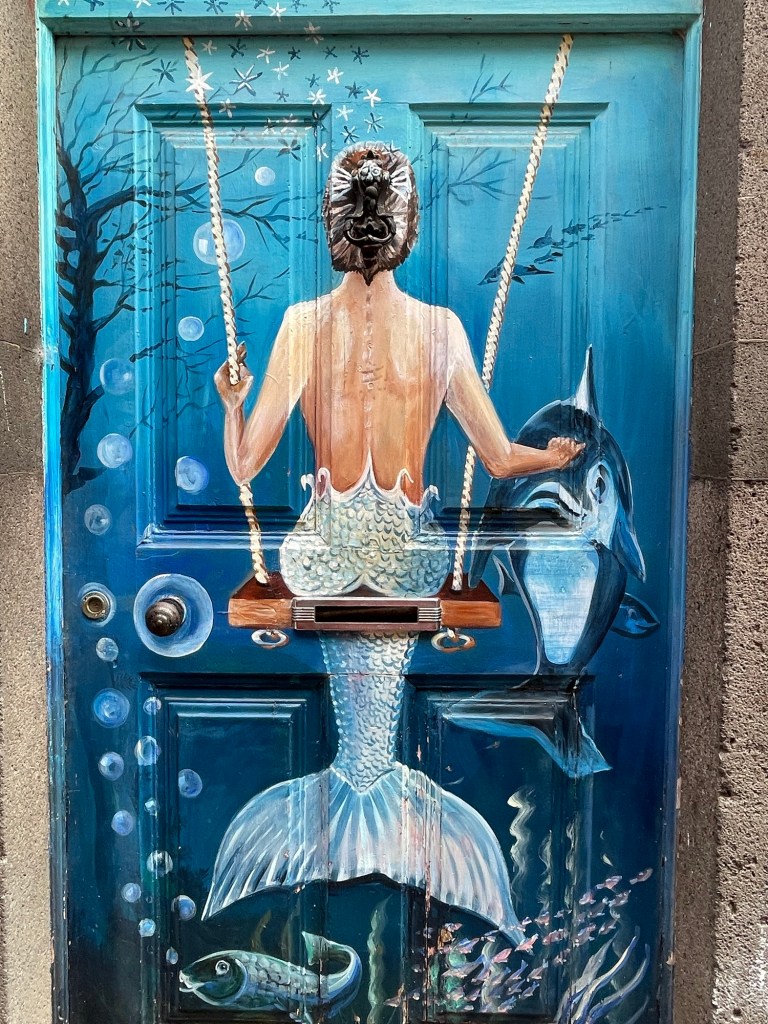
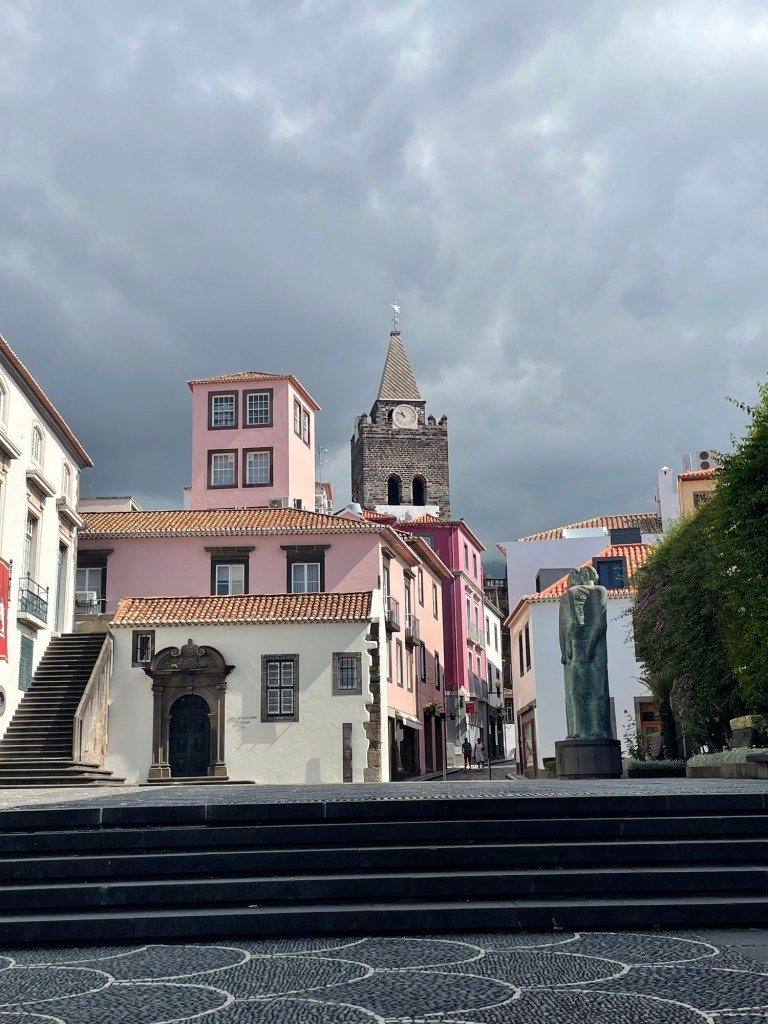
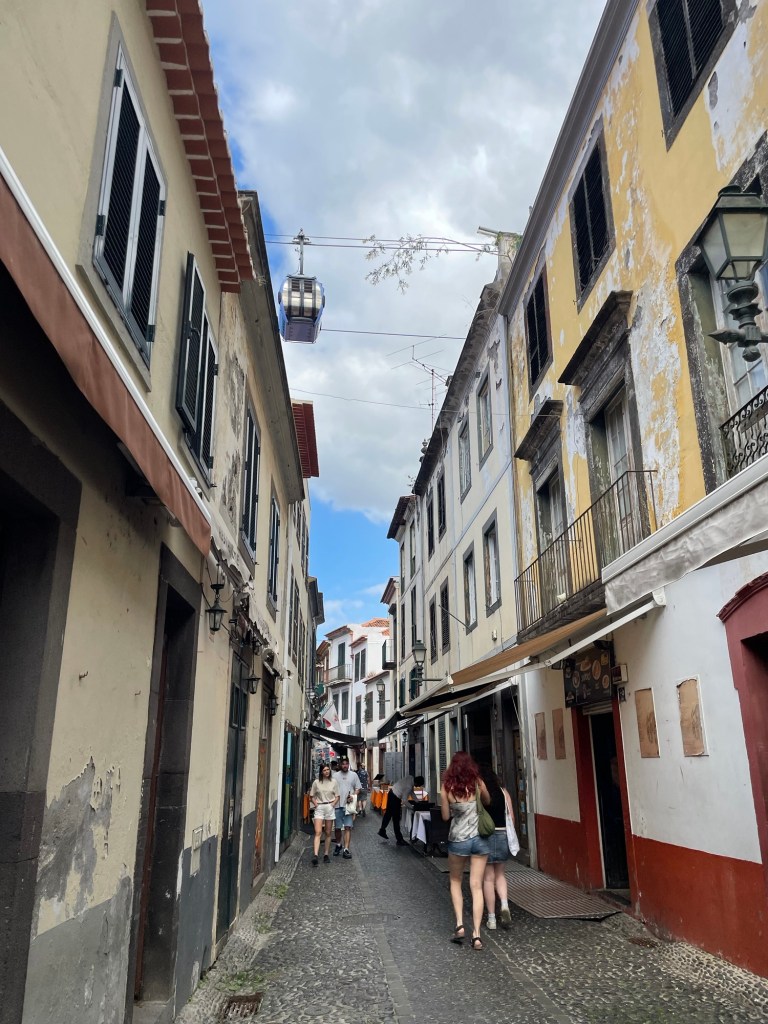
In Funchal’s old town, cobblestones lead past painted doors, crumbling forts, and bars where locals drink poncha like their grandparents did. Even the gardens feel global, a reminder that ships once stopped here to unload exotic plants as casually as barrels of rum.
Madeira’s culture is constant reinvention. Sugar to wine, trade to tourism. But the everyday life, like festivals, food, poncha, gardens, is what keeps it real.
The places we saw
We didn’t want to spend our honeymoon just sitting by the pool, so we booked a few tours and let Madeira show itself off.
Pico do Arieiro was a real highlight, standing above the clouds felt unreal, like the mountain was floating. You don’t just get a view; you get the sense that nature is bigger than you.
Ribeiro Frio was the opposite: green, damp, quiet. The laurel forest makes you feel like you’ve stepped into another time, and the trout farm tucked into the valley adds to the sense of something unchanged.
In the north, Santana was all about the traditional thatched houses. Yes, they’re mainly there for tourists now, but they still carry history in their shape.
Close by, Faial gave us the peaceful side of village life; no big attractions, just gardens on every slope and the Atlantic stretching forever.
Machico felt important for another reason. This is where the Portuguese first landed in 1419, so standing there is like standing at the starting point of the island’s story. Today it’s just a quiet bay and a promenade, but the weight of history makes it different.
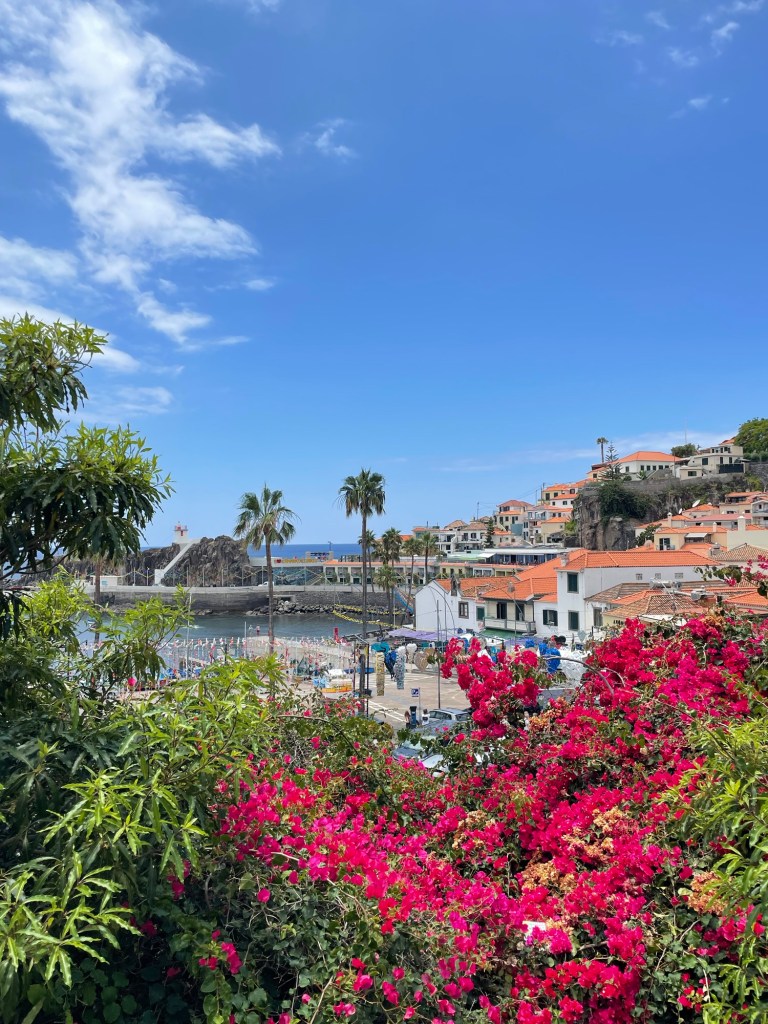
The Estrada de Câmara de Lobos gave us one of the most beautiful side of the trip. Winding roads, vineyards clinging to the hillsides, and then dropping into the fishing village that inspired Churchill’s paintings. Boats painted bright colors, poncha in hand, and a harbor that still feels working, not polished.
And then there was Quinta do Barbusano in São Vicente, where we did the tasting. Terraces so steep you wonder how anyone can farm them, and wines that taste nothing like the famous sweet Madeira. Our taxi driver even waited hours while we tried the wines. Worth it.
Where we stayed
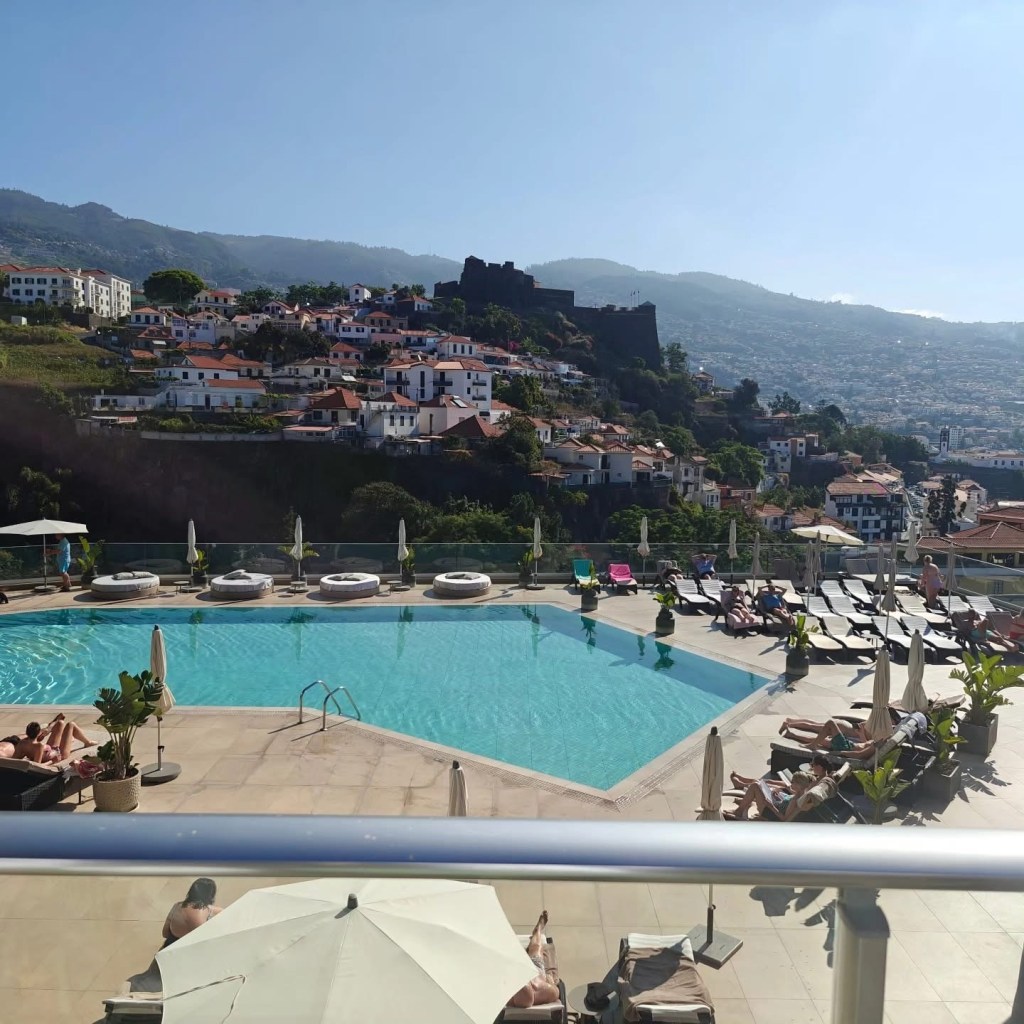
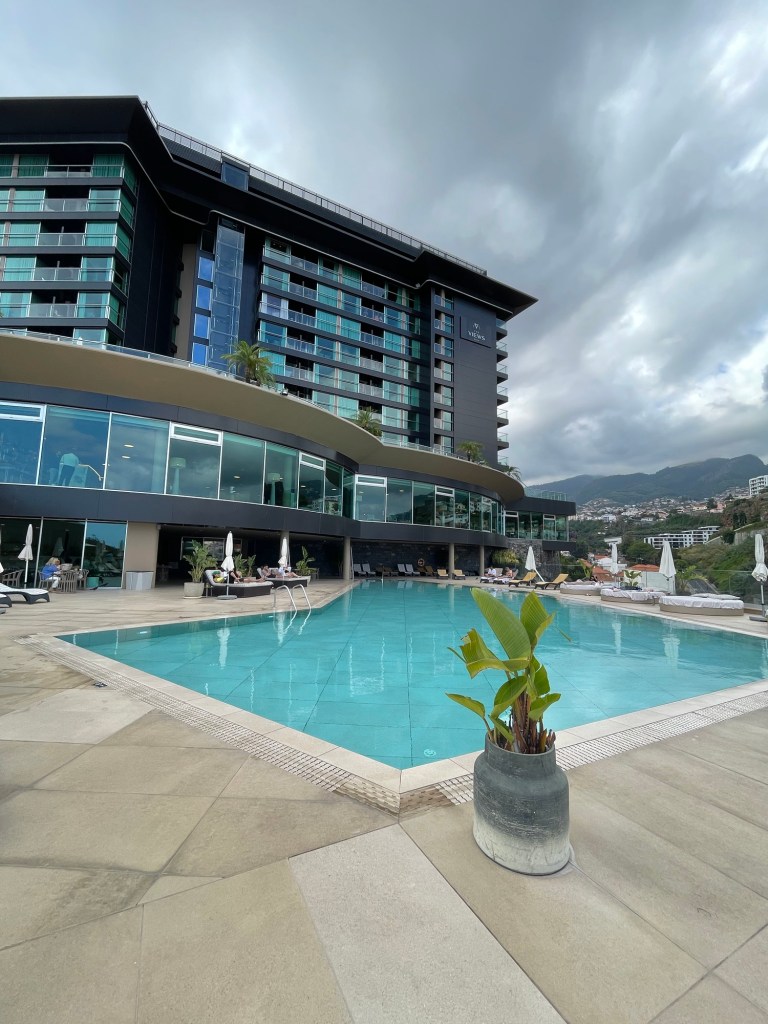
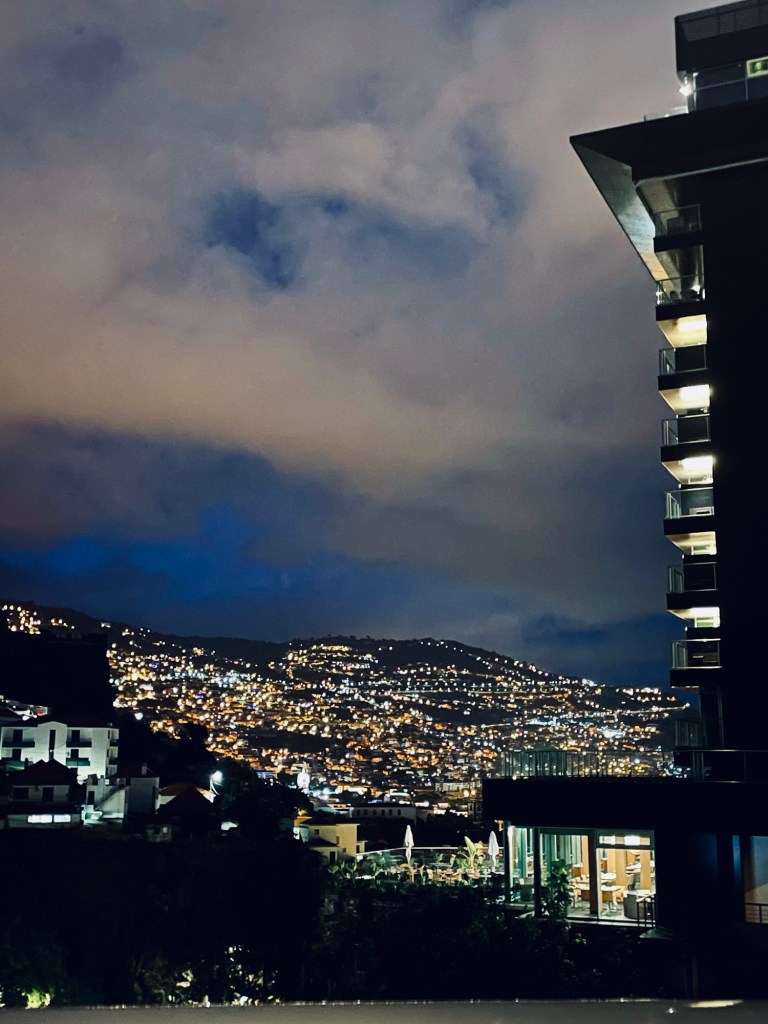
We stayed at The Views Baia, just above Funchal. It wasn’t in the middle of the noise, but close enough to walk down to the city when we wanted. The name says it all, the view stretched across the whole bay. For a honeymoon, it was the right mix: calm, a little away from the crowds, but still connected.
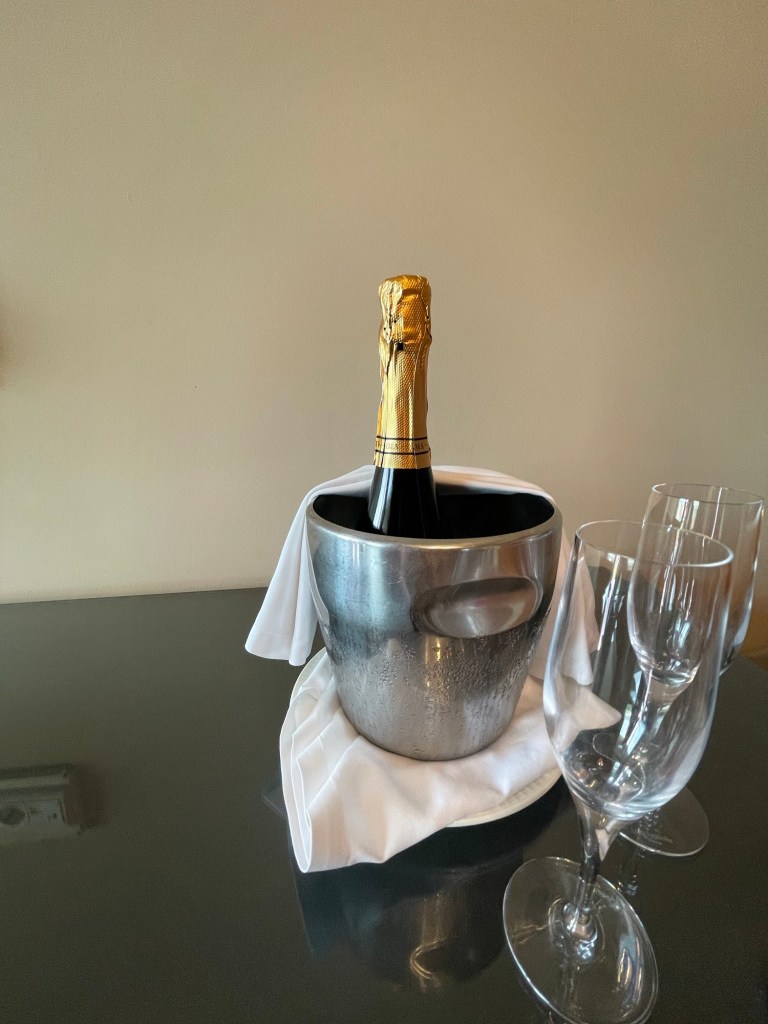
We started our honeymoon with a sweet surprise: the hotel welcomed us with a complimentary bottle of sparkling wine.
Why Madeira worked for us
Madeira wasn’t the hottest or the most obvious honeymoon choice, but that’s exactly why it worked. We got history, wine, forests, festivals, and a view that never got old. It gave us something different from our usual trips, a reminder that the best places aren’t always the ones with beaches and heat. Sometimes they’re the ones that surprise you. Madeira didn’t need beaches to be the perfect honeymoon.

 Jackinna of all Trades