In today’s fast-paced, interconnected world, media has become much more than a way to get information—it’s a powerful force that shapes how we communicate, learn, and connect. The rise of digital platforms and social media has transformed how information spreads, creating unprecedented opportunities for individuals and organizations to reach audiences worldwide. But with this influence comes a crucial responsibility: to ensure that the content we create and consume is not only informative but responsible.
This brings us to one of the most intriguing parts of the media industry: media management. It’s not just about producing content—it’s about finding the right balance between creativity, strategy, and technology to shape how media is created, shared, and experienced. Effective media management combines leadership skills, technological understanding, and a deep insight into what audiences care about. It’s about making decisions that not only capture attention but also contribute positively to society.
At the heart of thriving in today’s media world is innovation. However, innovation can’t exist in isolation. It’s essential to understand how new technologies perform in different contexts—whether for a large media company or a niche digital platform. Media managers need to spot which ideas are worth pursuing and how to bring them to life effectively. This requires not just technical skills but also a clear sense of ethics and a readiness to adapt quickly to change.
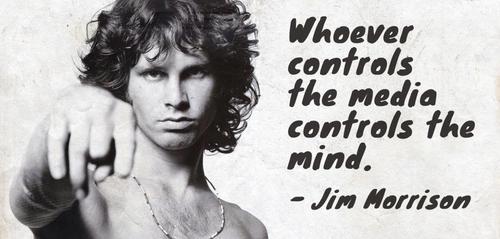
Image Reddit
How media has evolved
Looking back, media has always been at the heart of progress—from the printing press to radio, TV, and now the endless streams of content on social media. It has empowered us to share ideas, spark movements, and build communities that go beyond borders. Yet, it’s easy to forget that platforms like Facebook, despite feeling like permanent fixtures, are relatively new – only 20 years old. These platforms, however, are built on much older traditions that have shaped how we communicate for centuries.
In today’s digital age, media is no longer just about broadcasting information, it’s about creating meaningful conversations, building trust, and driving positive change. Media isn’t simply a tool for entertainment or advertising; it’s a way to connect people to ideas, solutions, and movements that have the power to shape the future.
The problem of filter bubbles and division
Social media has undeniably transformed how we interact with information, but it also brings certain challenges—like the creation of “filter bubbles.” These are spaces where we mostly see content that aligns with our own beliefs, limiting our exposure to different viewpoints.
In the past, diverse opinions were more likely to come up naturally in face-to-face conversations. Today, digital platforms often connect us with like-minded people, which can make it harder to understand other perspectives. This raises an important question: Are we really more connected, or are we just surrounded by people who think like us? While social media connects us in ways never before possible, it also highlights the need to step outside our bubbles and engage with a broader range of views.
Why Media Literacy Matters More Than Ever
In today’s world, understanding how media works is an essential skill. Media literacy is about knowing how to find, analyze, and use media thoughtfully. It helps us make informed choices about what to trust and what to share. In the past, media literacy focused on telling the difference between facts and opinions. Now, it’s about navigating the overwhelming amount of information we see every day and understanding how it influences our thinking.
As new platforms and influencers reshape the media landscape, being aware of who controls the information we receive has never been more important. Media literacy empowers us to question the sources of information, recognize biases, and make better decisions about the content we engage with.
Impact of Social Media: Insights from The Washington Post
One of the standard propositions from bread-and-butter economics is that you wouldn’t pay for something you don’t want. You lose nothing by not having it.
Eduardo Porter, Opinion / The problem with social media is that it exists at all
According to Washington Post, students would pay $28 to remove TikTok and $10 for Instagram from their lives for just a month. This finding suggests that while social media offers a lot of benefits, it also makes people feel stuck—almost like a modern-day social trap. The study compared this to buying expensive sneakers just to fit in, even if you don’t really want them. This raises an important question: If social media makes people feel stuck, what can be done? Maybe we need better ways to take breaks, more awareness of how it affects us, or even changes in how these platforms work.
Social media amounts to Air Jordans on steroids: Many people join it just because others do. But they rather wouldn’t.
Eduardo Porter, Opinion / The problem with social media is that it exists at all
TikTok has returned to Apple and Google’s app stores in the US after nearly a month-long ban, as negotiations continue to place it under U.S. ownership and prevent a permanent ban. It would be interesting to consider the impact of that one-month ban and what it means for both TikTok and the broader social media landscape.
The future of media
The media landscape is changing rapidly, and traditional media companies no longer control everything like they once did. Deloitte’s report, The Future of Media and Entertainment, predicts major changes in the Media & Entertainment (M&E) industry. Consumers are becoming more digital, content is growing rapidly, and new technologies like AI are emerging, which could have unpredictable effects.
For media managers, this landscape presents both a challenge and an imperative: adapting to these disruptive forces while staying competitive. For consumers, it signals a new era where their preferences and demands will increasingly drive content creation and distribution strategies.
Here are some key scenarios from the report that highlight the intersection of media management and consumer behavior:
🎯 Lights, Camera, Faction: Fragmentation and Personalization. Consumers are no longer satisfied with a one-size-fits-all approach to entertainment. With more platforms offering content tailored to niche interests, media organizations must pivot to meet the demand for personalized experiences. While large companies continue to provide broad content offerings, smaller, more agile platforms are emerging to cater to specific audiences with targeted content.
For media managers, this means recognizing that mass audiences are fragmenting, and catering to unique interests is crucial for long-term engagement. For consumers, it presents a golden opportunity to find content that truly resonates with their individual preferences, rather than simply consuming whatever is most popular.
🔒 The Big Opt-Out: Privacy and Consumer Empowerment. As privacy concerns grow, consumers are asserting more control over how their data is used. They want authentic, transparent content that aligns with their values and respects their personal information. This trend shifts power into the hands of consumers, giving them the ability to opt-out of data-driven experiences that feel invasive or disingenuous.
For media managers, this means investing in transparency and ethical data practices. Media organizations must focus on building trust through clear privacy policies and offering consumers greater control over their experiences. From a consumer standpoint, the rise of privacy-focused platforms will allow them to engage in more meaningful, less manipulative interactions with media content.
🌐The Wild, Wild West-verse: The Metaverse and Immersive Experiences. The metaverse is blurring the line between the digital and physical worlds. Consumers are increasingly seeking immersive experiences that transcend traditional media formats. From virtual concerts to interactive gaming experiences, the metaverse represents a radical shift in how people interact with content.
For media managers, this presents both an exciting opportunity and a significant challenge: how to integrate and leverage the metaverse to engage consumers in entirely new ways. From a consumer perspective, the metaverse offers unprecedented access to interactive, immersive media, allowing them to engage in experiences that were once unimaginable.
⚖️The Social Imperative: Technology with Responsibility. As next-gen technologies continue to emerge, there is growing pressure on media organizations to adopt them with regulatory oversight, ensuring that their products and services prioritize user well-being, health, and socio-economic equity. This approach recognizes that media consumption affects more than just our entertainment; it impacts mental health, social dynamics, and even democracy. For media managers, it’s no longer just about innovating for profit—there is a need for responsible and ethical integration of new technologies that serve the public good. For consumers, this shift gives them a voice in demanding ethical content that aligns with their values and fosters positive societal change.
The four scenarios—fragmentation and personalization, privacy empowerment, immersive metaverse experiences, and responsible technology adoption—represent both challenges and opportunities for the media industry. For media managers, the path forward will require a nuanced approach that balances innovation with ethics, personalization with diversity, and profitability with privacy. For consumers, these trends promise a more personalized, secure, and engaging media landscape—provided that ethical considerations are made a priority.
Reflections on the Changing Media Landscape
In today’s media landscape, management is key. The future will rely on understanding how organizations need to adapt to digital transformation, new consumer behaviors, and emerging technologies. Media managers must be aware of the challenges of fragmentation in media consumption. As the world becomes more digital, there’s a need to cater to smaller, niche groups that are looking for content that aligns with their interests and values. This shift forces media companies to reconsider the old “one-size-fits-all” approach and focus on more personalized, targeted content that drives engagement.
Another significant takeaway is how privacy concerns have become paramount. As consumers become more aware of how their data is used, the need for transparency, authenticity, and trust in media organizations has never been more critical. The need for media companies to take responsibility for their role in safeguarding user data and respecting privacy is a key theme emerging in media management today.
Finally, emerging technologies like augmented reality (AR) and virtual reality (VR) are starting to blur the line between the digital and physical worlds. Media managers will need to innovate and adapt to these new ways of connecting with audiences. And let’s not forget about regulations that will inevitably follow to ensure these technologies are used responsibly.
Closing remarks
One thing’s for sure: media is going to keep evolving, whether we like it or not. The big question, though, is: who will shape the future of it? Will it be the ones controlling it? Or the users who are actually consuming it?
We’re at a crossroads. Social media has made it easier to stay connected, but it’s also created problems—too much information, fake news, and division. In the future, media companies will need to adapt to new tech, but they also need to be transparent, authentic, and responsible.
The big question remains: Will those who control the media shape the future? Or will it be the people engaging with it?
P.S. Despite the widespread belief that Jim Morrison said, “Whoever controls the media, controls the mind,” there’s no solid proof he ever actually said it. However, Noam Chomsky’s take in Media Control is pretty close: “He who controls the media controls the minds of the public.” Close enough, right?

 Jackinna of all Trades