For centuries, Europe has been at the heart of the wine world—France, Italy, Spain, Portugal, and Germany. Wine in Europe is as ingrained to society as tea is in China—it’s a symbol of national pride. Yet, just as the British once dominated the Chinese tea trade, China is now making its mark in the global wine industry.
I first came across some articles and documents about China’s rise in the wine world years ago, but life got in the way. Now, after all these years, I’ve finally decided to share my thoughts. While I’m definitely not a wine professional (as my blog humorously claims, I’m an expert in almost everything and a master of none), I love exploring new topics – and wine is no exception.
The Rise of China: Challenging Old World Tradition
The rise of China in the wine world isn’t just about producing wine for domestic consumption – it’s about market expansion, international aspirations, and competition. In recent years, Chinese investors have targeted European wine regions, purchasing vineyards in Bordeaux, Burgundy, and Tuscany. While these acquisitions were initially seen as a way to diversify China’s portfolio of wines and learn from European winemakers, the results have been mixed. Some have won prestigious awards, while others have struggled to maintain their value.
So, should Europe be worried about this new competition, or could there be potential for new markets and partnerships?
Old World vs. New World
The global wine market is often divided into two broad categories: Old World and New World wines, with an aim to help to understand the distinct traditions, climates, and winemaking techniques that shape wines across the world.
Old World wines come from traditional wine-producing regions with centuries-old histories of winemaking. These regions, mainly in Europe, emphasize heritage, terroir (the unique characteristics imparted by the land), and strict winemaking regulations. Countries like France, Italy, Spain, and Germany have long been at the forefront of the wine world, with subtle, elegant and earthy flavour.
New World refers to wine-producing regions outside of Europe, where winemaking is a more recent development with countries like US, Australia, Argentina, Chile, New Zealand, and – yes – China have emerged as significant players in the global wine market in recent decades. These wines are typically fruity, bold, and more experimental.
China’s Growing Role in the Wine World
China’s wine industry has evolved rapidly. What started in the 1990s with imported wines has transformed into a global producer, with local wineries like Changyu and Great Wall gaining ground. Recently, Chinese wines have won international accolades – five gold medals at the 2024 Decanter World Wine Awards being a key example of their growing influence.
2024 Decanter World Wine Awards: A Breakdown of the Top Medal Winners
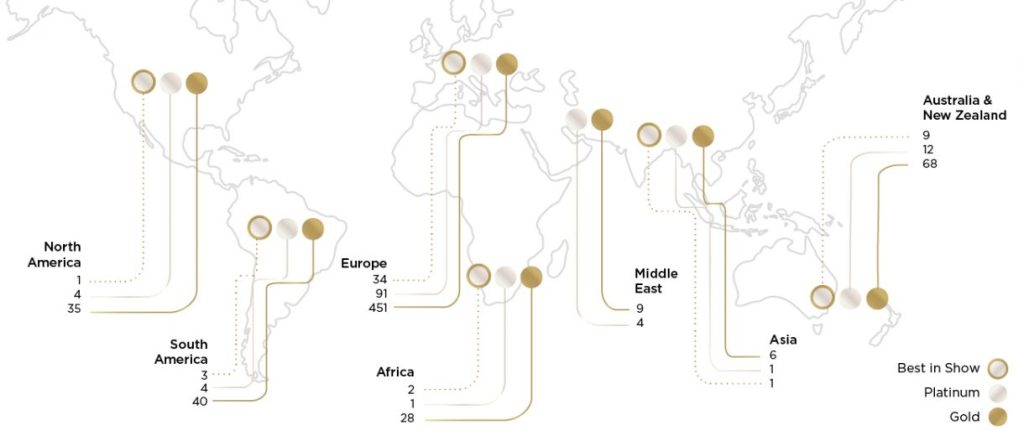
Image by Decanter World Wine Awards 2024 Results Revealed
Source: Decanter
More than just a consumer, China has become a major wine producer, investing in vineyards, technology, and expertise. This has led to impressive results but also raised some questions as the Bordeaux wine region is now witnessing an unexpected turn of events: a surge of vineyards, once bought by Chinese investors, being sold at a fraction of their original prices. This stands in stark contrast to the optimism that surrounded these acquisitions just over a decade ago. What happened to the optimism that defined their acquisitions just over a decade ago?
What does the future hold?
The future of wine is going in the direction in which the strict boundaries of Old World and New World labels are no longer there. In fact, these traditional distinctions are becoming increasingly less relevant as both sides borrow from each other. I’m not a wine expert, but this is my sophisticated guess. The reasons are that people wants something new and different from their wines, still to honor traditions, don’t take me wrong but something more to explore with. With it I could see the producers of Old World are beginning to experiment with more flexible winemaking practices, incorporating sustainable techniques and even embracing natural winemaking methods. Meanwhile, New World producers are diving deeper into the study of terroir, paying more attention to the land and its unique qualities, while still maintaining their reputation for bold, adventurous flavors. Generally both worlds are learning from each other.
China’s wine industry is experiencing rapid growth, but challenges are there too. While experts once predicted that China could eventually rival traditional wine powerhouses like France and Italy, recent developments suggest the story is more nuances and layer as you might see from a quick glance. Can could say out of this that despite China’s ambitions in wine production, not all of its investments have been successful or sustainable in the long term. While China continues to produce award-winning wines and expand its domestic market, the sale of these foreign estates raises questions about the future of China’s wine industry and its ability to sustain international influence. The key question is whether China’s local production will continue to thrive, or if its international investments will face setbacks that could slow the momentum. If Chinese winemakers focus on quality and long-term growth, they may yet reshape the global wine market. But the current trend suggests that the path to becoming a dominant force in the wine world is more complicated than originally anticipated.
The wine industry is constantly changing, and there are a few trends that are shaping its future. From new wine styles to technology innovations, here’s a look at what’s coming up in the world of wine. From the rise of natural wines, orange wines, and Pét-Nat wines, to the increasing role of technology in vineyards and wine production, the future looks promising. Wineries are also adapting to the growing trend of wine tourism with more personalized and sustainable experiences for visitors. For a deeper dive into these trends and how they’re shaping the wine world, check out the full article on BM Wine Guide.
Old World vs. New World: Blurring the Lines
The lines between Old World and New World wines are becoming increasingly blurred, and that’s exciting. Historically, Old World wines (like those from France, Italy, and Spain etc.) were all about tradition, strict rules, and a deep connection to centuries-old winemaking practices. New World wines (think California, Australia, and Argentina), on the other hand, were seen as more experimental, innovative, and often bolder in style.
As China’s wine industry receives more stability, domestic wine production might increase significantly. If trends continue China is likely to become a major player in the global wine market, not just as a consumer but as a producer as well. With a strong middle class with rising incomes, Chinese consumers might seek more premium wines of locally produced wines. This shift toward premium products will influence wine retail and dining trends. With China’s strong e-commerce infrastructure, online wine sales are predicted to see significant growth. The younger generation in particularly millennials and Gen Z, are becoming more adventurous in their wine choices. They are more open to experimenting with new wine styles, international brands, and novel experiences, such as natural wines or wine cocktails. Social media platforms will play a significant role in shaping their preferences and driving trends.
Challenges Ahead for the Global Wine Industry
As the global wine market grows, it’s becoming more commercial. This is a natural progression as new players enter the market to meet rising demand. However, mass production could come at a cost compromising the authenticity and regional identity that many wine enthusiasts cherish. With mass production comes a shift toward factory-style operations focused on profits rather than craftsmanship. This could lead to the loss of traditional winemaking methods.
The growing influence of major wine markets like China could dramatically impact global wine prices. As more players enter the market, supply and demand could become unbalanced. This might lead to higher prices for premium wines, making them less accessible, while mass-produced wines flood the market at lower prices, potentially reducing the importance of handcrafted wines. The global wine market could face instability as a result.
Old World wine regions may also feel pressure to modernize in order to keep up with global trends, potentially sacrificing their unique identities. The more commercialized the wine industry becomes, the more standardized it will likely be, undermining the regional diversity that makes wine so fascinating. Small, lesser-known wine regions may struggle to remain relevant in the face of larger, more mainstream markets pushing for cheaper, easier-to-produce wines.
Another concern is the potential exploitation of regions with weaker labor laws to meet the rising demand for wine production. This could impact the reputation of the entire industry, especially where cheap labor is used to maintain high production needs. In addition, there’s the rising risk of fake wines flooding the market. As demand for rare and premium wines grows, so does the opportunity for fraud. Fake wines, from replicated labels to counterfeit storage conditions, could mislead consumers and collectors, resulting in a decline in sales. The solution could be a shift toward smaller, more transparent wineries that offer greater assurances about their wines’ origins.
It’s not as far-fetched as you might think: the wine industry could see its own version of fake wines, much like rest of the luxury goods that flood the markets of many tourist destinations. You’ve probably seen it before: tourists with fake Louis Vuitton bags that look convincing from a distance, but are clearly low-quality imitations upon closer inspection. The same could happen in the wine world. As demand for rare and premium wines increases, so does the opportunity for fraud. Just like those those fake bags, fake wines could trick consumers into thinking they’re enjoying a luxury bottle when, in reality, they’re drinking something entirely different. The consequences for the wine industry could be significant—trust in authenticity, and craftsmanship is vital, and if that’s compromised, the entire market could suffer.
In the end, everyone loses if fraud and exploitation take hold in the industry. China’s rise may not be the biggest worry after all, but if the industry moves too far toward commercial production, mass-produced wines, and unchecked exploitation, it could hurt wine culture as a whole. Authenticity, craftsmanship, and regional diversity are what make wine so special—if these values are lost, the wine world could be changed forever.

 Jackinna of all Trades