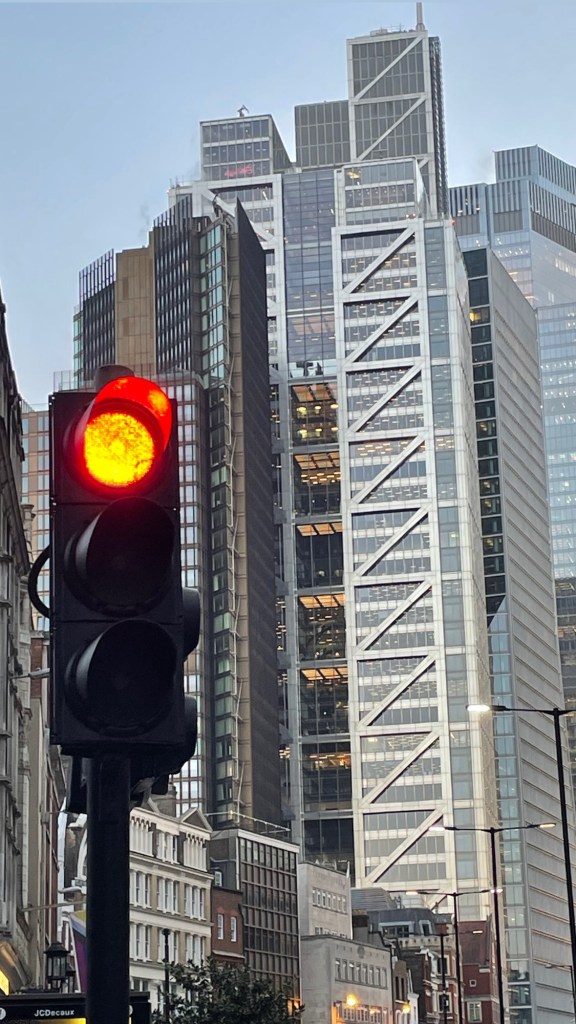
London is a city where history and modernity come together in the most fascinating way. Centuries of stories, iconic landmarks, and rich culture coexist with sleek skyscrapers, creating a unique harmony. What truly makes London stand out, however, is how these two worlds blend so effortlessly, resulting in a city full of surprises at every turn.
Some of my favorite European cities besides London are Berlin, Rome, Warsaw, and Paris—each with its own distinctive vibe. Berlin is edgy and vibrant, Rome has timeless charm, Warsaw seamlessly combines modernity with a fascinating mix of East and West, and Paris is all about elegance and romance. But London? It shines with its diverse, cosmopolitan atmosphere. In many ways, it feels like the most international and dynamic city I’ve visited in Europe.
Until now, my trips to London had always been for business—packed with events, back-to-back meetings, and little time to truly soak in the city. This time, I was determined to experience London differently. My fiancé and I left the chilly winds of Finland behind and set out to explore a city brimming with charm. Picture it: English tea, centuries-old architecture, cozy pubs, gleaming skyscrapers, and the irresistible aroma of Indian food wafting through the streets.
Before our trip, we had just bought a townhouse in Suutarila, a peaceful neighborhood in northeastern Helsinki. We were in a mad rush to move in so that we could return from London to a settled home, avoiding the chaos of unpacking amidst boxes. It turned out to be the perfect decision—coming back to an organized and welcoming home made all the difference! Suutarila offers a serene yet convenient location, just a 10-minute drive to Helsinki Airport and a 40-minute public transport ride to the city center.
Exploring Spitalfields: A great blend of history and modernity
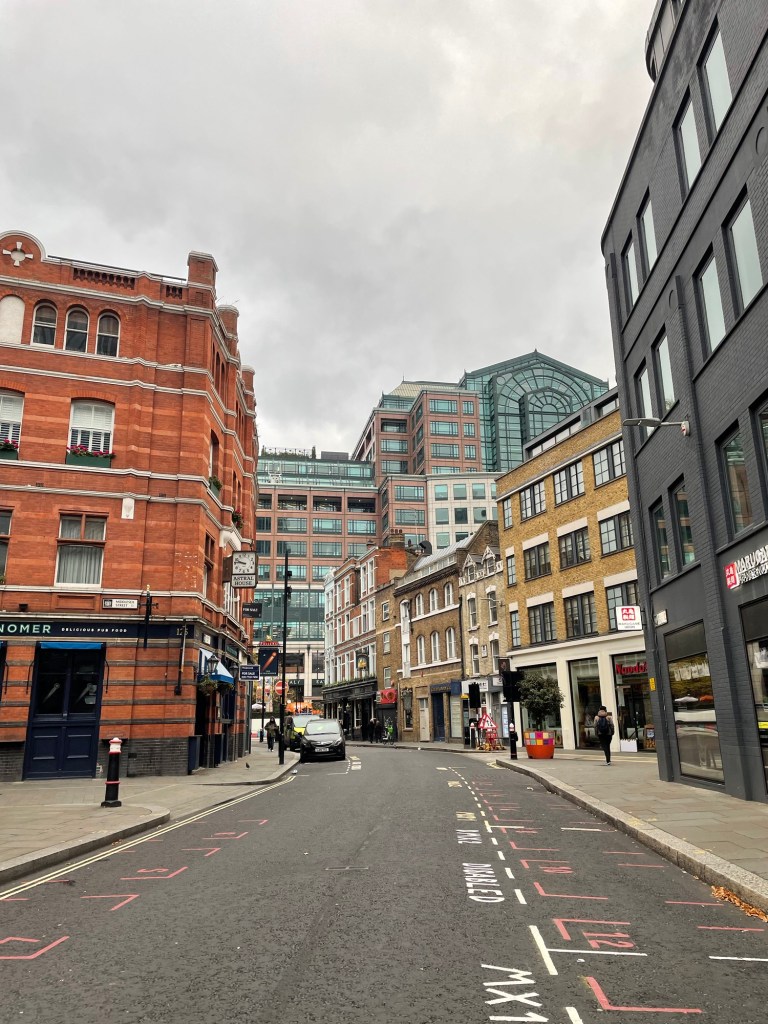
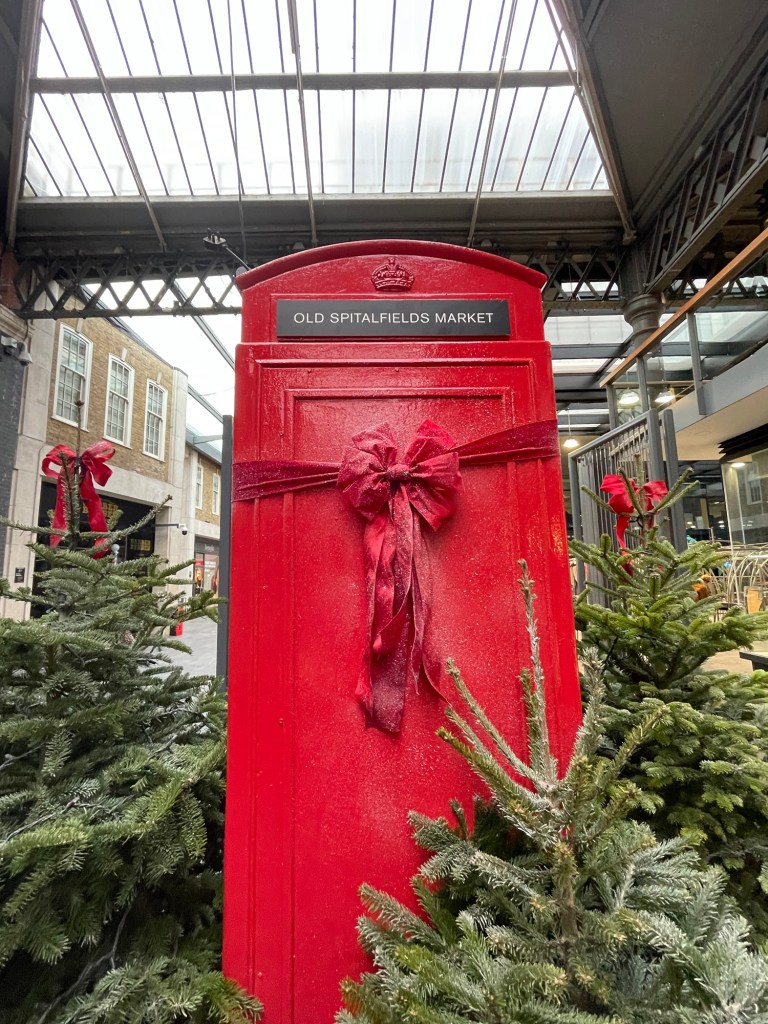
After settling into our new home, we were excited to dive into the heart of East London. Our first stop? The vibrant Spitalfields area, where history and modernity come together in a beautiful mix. Spitalfields, once known for its historic market and as a center for the Huguenot silk weavers, is a fantastic spot to visit in London thanks to its convenient location, cobblestone streets, and stunning Victorian architecture. It’s also home to one of London’s oldest and most famous markets, Spitalfields Market—a perfect place to explore for food, fashion, and art.
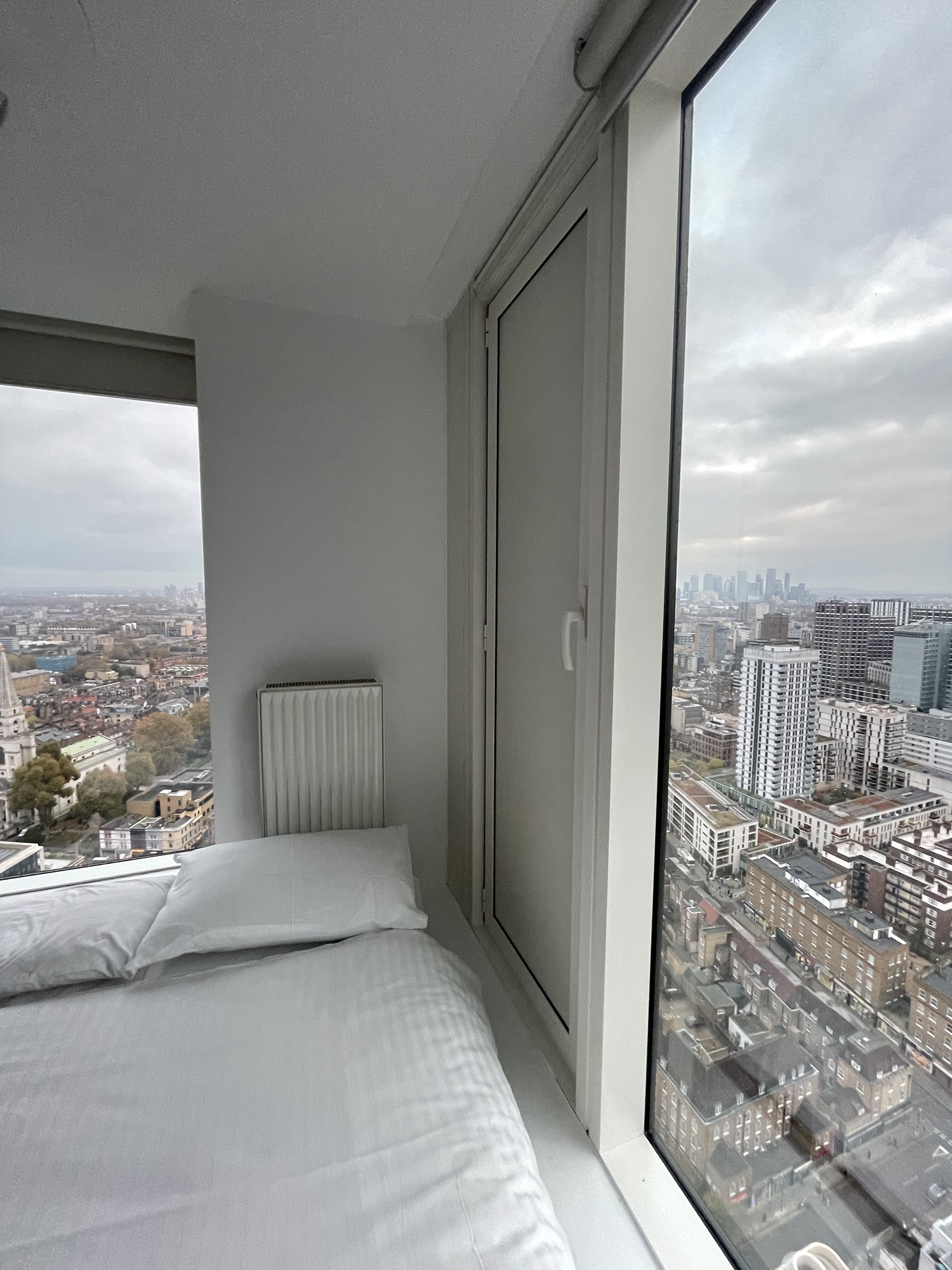
Our hotel was Chapter Spitalfields, a student accommodation hotel that offered an unexpected blend of modern comfort and peace. With 32 floors, it’s one of the tallest buildings in the area, and we were lucky enough to stay on the 31st floor—the highest you can go. The views from our room were breathtaking, offering a panoramic look at the city skyline. Despite being located in a student residential building, the atmosphere was surprisingly quiet and peaceful—far from the rowdy parties I had imagined. If I were a student staying there (though honestly, I couldn’t afford their weekly rates, which start at roughly 500 EUR), I suspect it would have been a different experience. I envisioned loud music, house parties, and general chaos—guilty memories of my own university days! To my surprise, the students here seemed to have much healthier lifestyles than I expected, more likely scrolling through TikToks with smoothies in hand than downing shots or wine straight from the bottle.


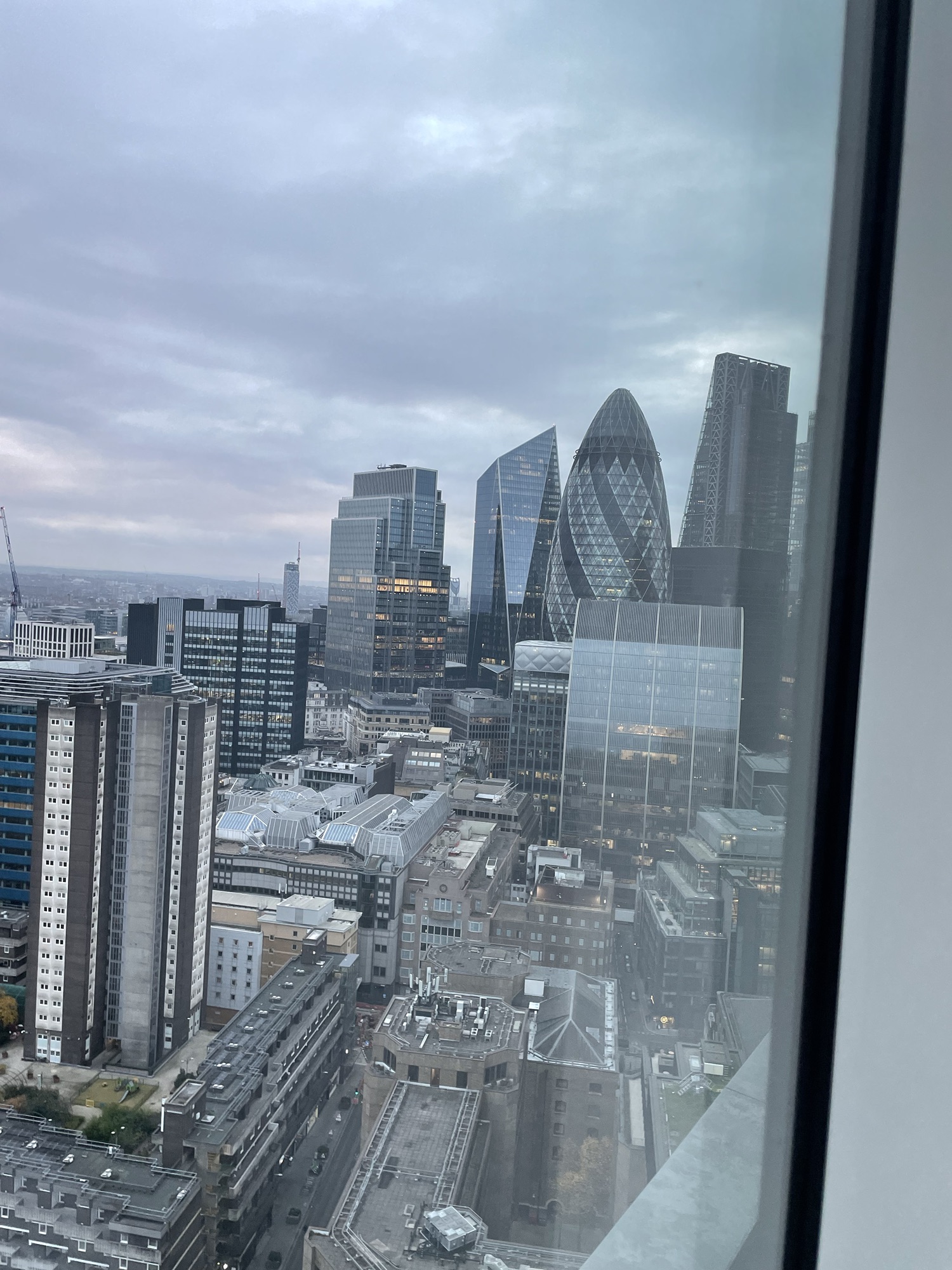
Located just roughly a kilometer away from the Tower of London, Spitalfields is a great choice if you’re interested in experiencing the heart of London’s city life. Additionally, its location is top-notch in terms of convenience; it’s just minutes from Liverpool Street Station, one of London’s major transport hubs. Liverpool Street offers access to multiple Underground lines, national rail services, and the Stansted Express—a direct train to Stansted Airport. For travelers flying in or out of Stansted, this connection is a game-changer. This convenient setup makes Chapter Spitalfields an ideal base, allowing guests to stay in a lively yet easily accessible part of the city without breaking the bank.
A mix of culture, history, and fun
This vacation was more easy-going, with plenty of walking around and little planning ahead, unlike previous trips in recent years. There were fewer museums and no long waiting lines—just enjoying the moment. The only reservation made ahead of time was for the Sky Garden, and that’s because it’s so popular that tickets must be reserved at least two weeks in advance, which is the minimum.
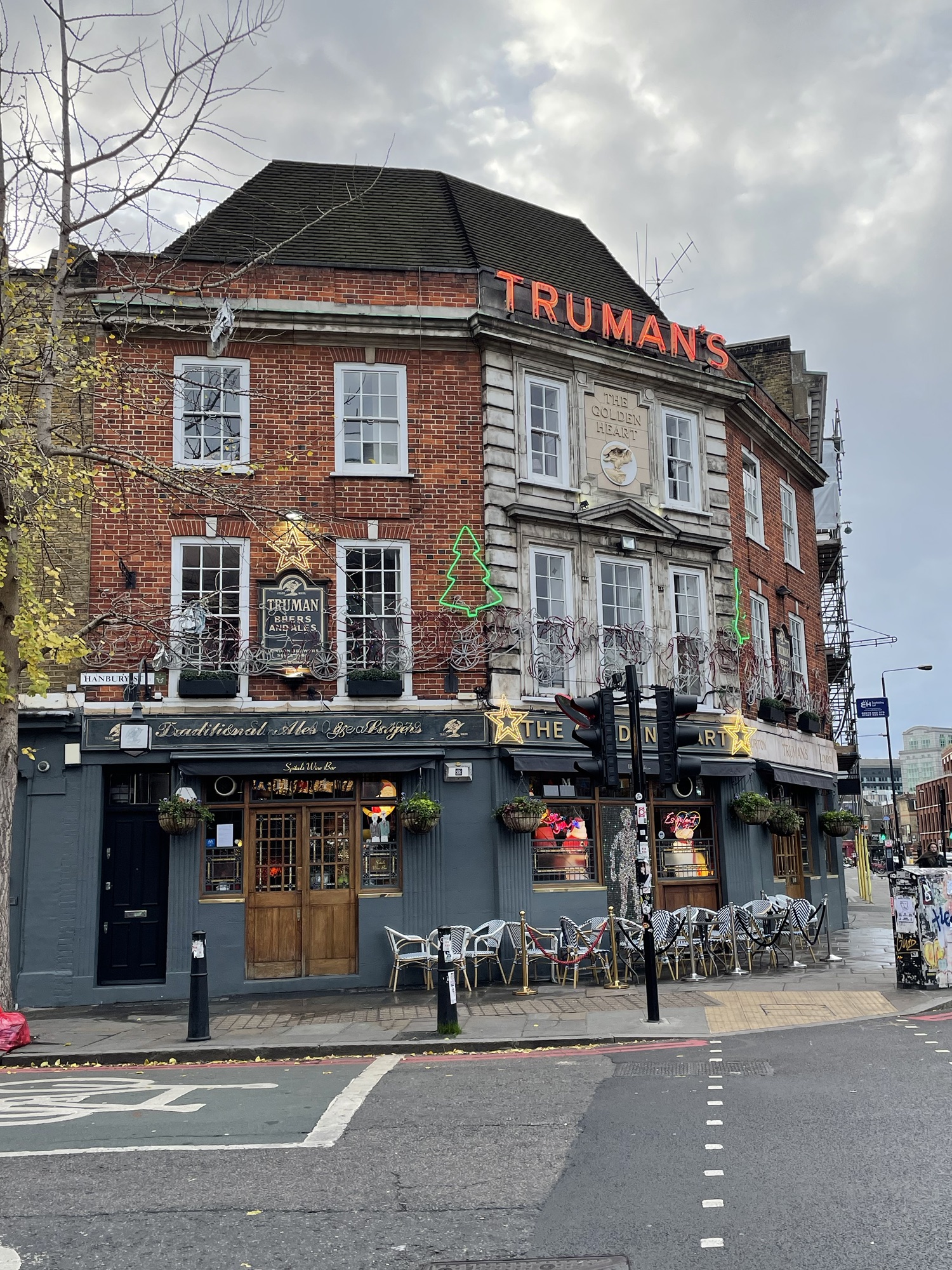
English pubs still use symbols like animals and ships as signs, a practice that dates back centuries when many sailors were illiterate. At a time when reading and writing were less common, especially among the working class and seafarers, these images provided an easy way to identify pubs and helped sailors find familiar places to rest and socialize. This tradition continues today, with many pubs still featuring animal and ship symbols as a tribute to this historical practice.
Pubs are an essential part of London’s culture, deeply woven into the fabric of the city’s social life. They are more than just places to grab a drink; they serve as community hubs, meeting points for friends, colleagues, and even strangers. The tradition of the pub dates back centuries, and these establishments are steeped in history, reflecting the city’s evolution over time.
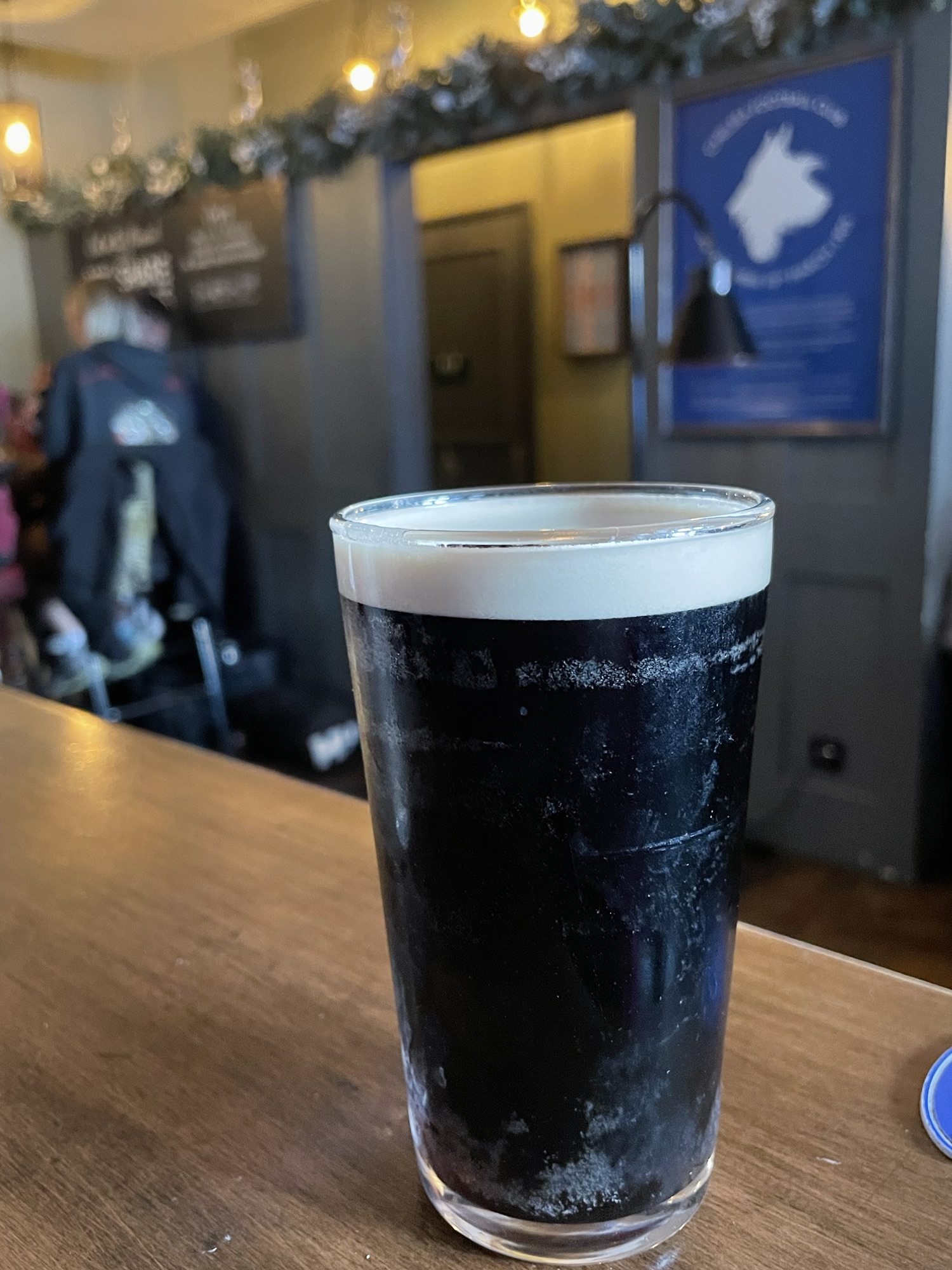
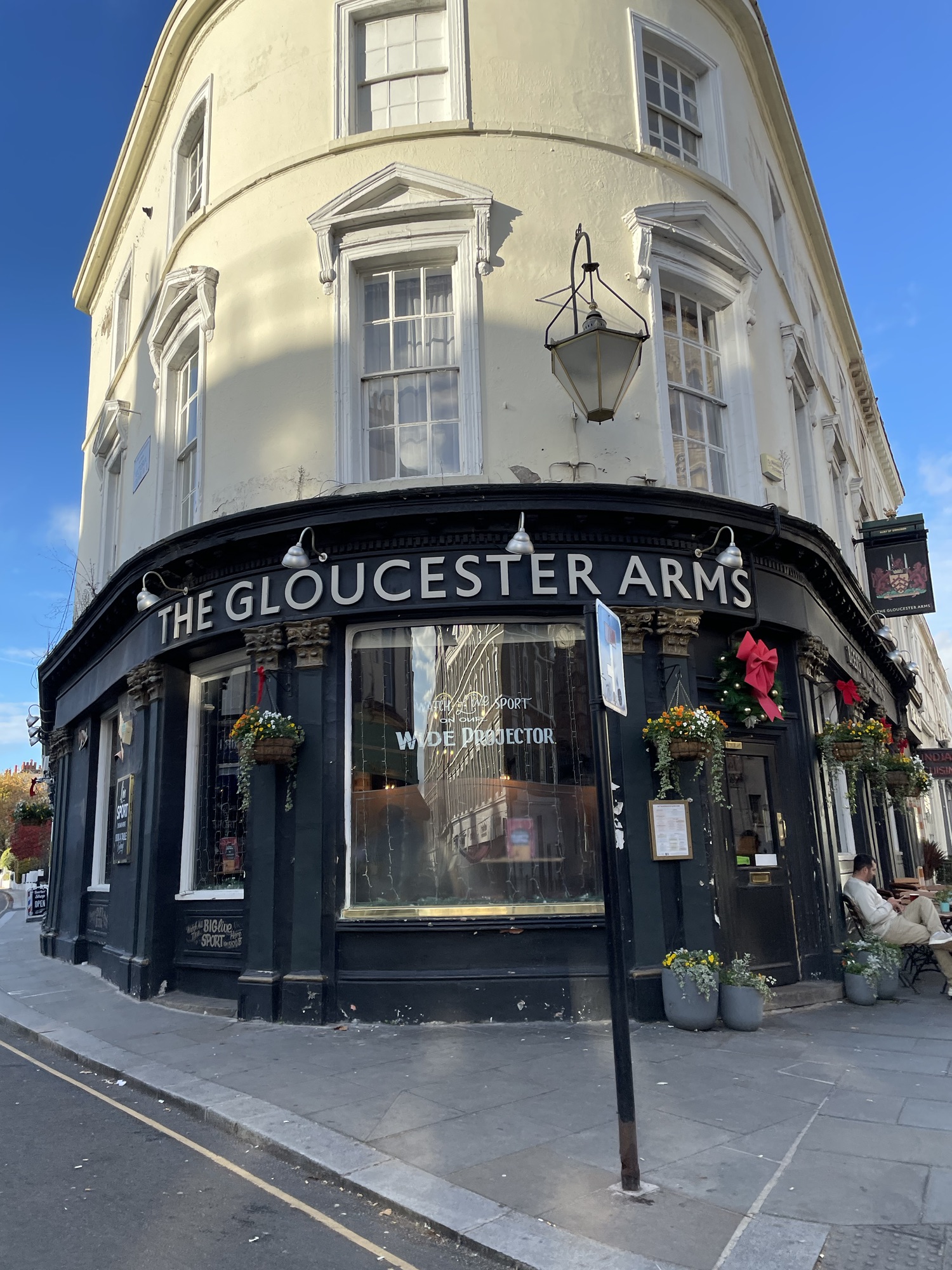

Another interesting observation is why so many pub names end in “Arms.” Pubs like The Red Lion are often named this way because of their connection to heraldry. The term “Arms” refers to the heraldic coat of arms, a symbol used to represent royal families, towns, cities, and historic guilds. The use of “Arms” in pub names historically suggested a link to these prestigious institutions or families, offering a sense of authority and tradition. In fact, The King’s Arms is one of the top 10 most popular pub names in Britain, reflecting the enduring popularity of this heraldic naming convention.
Thirdly, The football club Chelsea F.C. was founded in The Rising Sun pub, which is located in the Stamford Bridge area of London. The pub was a central meeting place for the club’s founders, including Gus Mears, who played a significant role in the creation of Chelsea Football Club in 1905. The establishment is still remembered for its role in the early history of the club.
Skyscraper Gardens: Sky Garden vs. Garden at 120
The Sky Garden is a public garden located on the top floors of the 20 Fenchurch Street skyscraper, also known as the Walkie Talkie building. It offers a 360-degree views of the city, few restaurants and the garden is filled with lush greenery, including plants and trees.
While the Sky Garden offers great views and a unique setting, it’s not necessarily a must-see, especially if you have limited time in London. Though the atmosphere is pleasant, it can get crowded, particularly during peak times, which can detract from the experience. The garden itself, while beautiful, isn’t as remarkable as some might expect, and the experience may not feel as exclusive or unique compared to other iconic spots in the city. Overall, it’s often considered a bit overhyped.
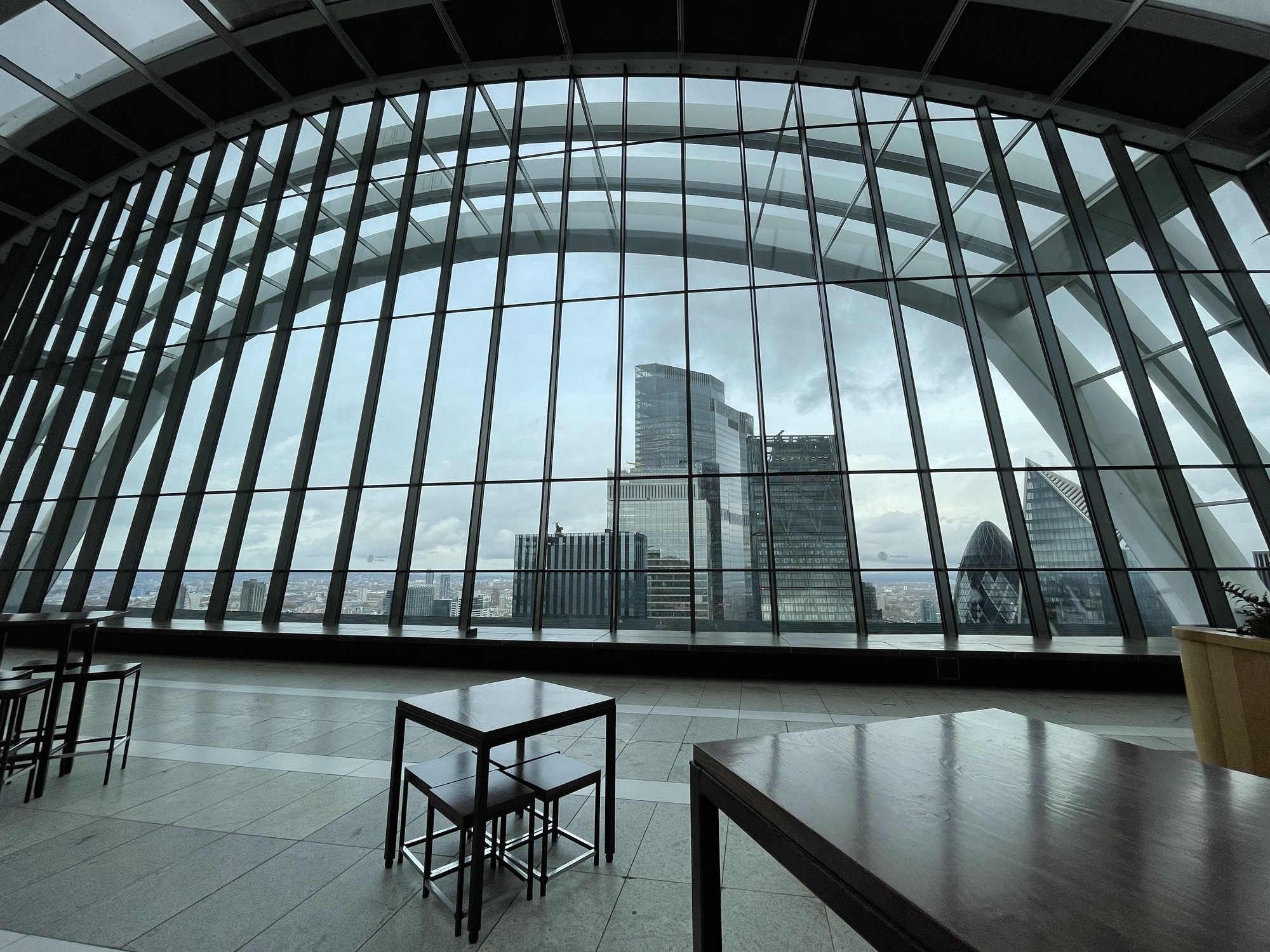

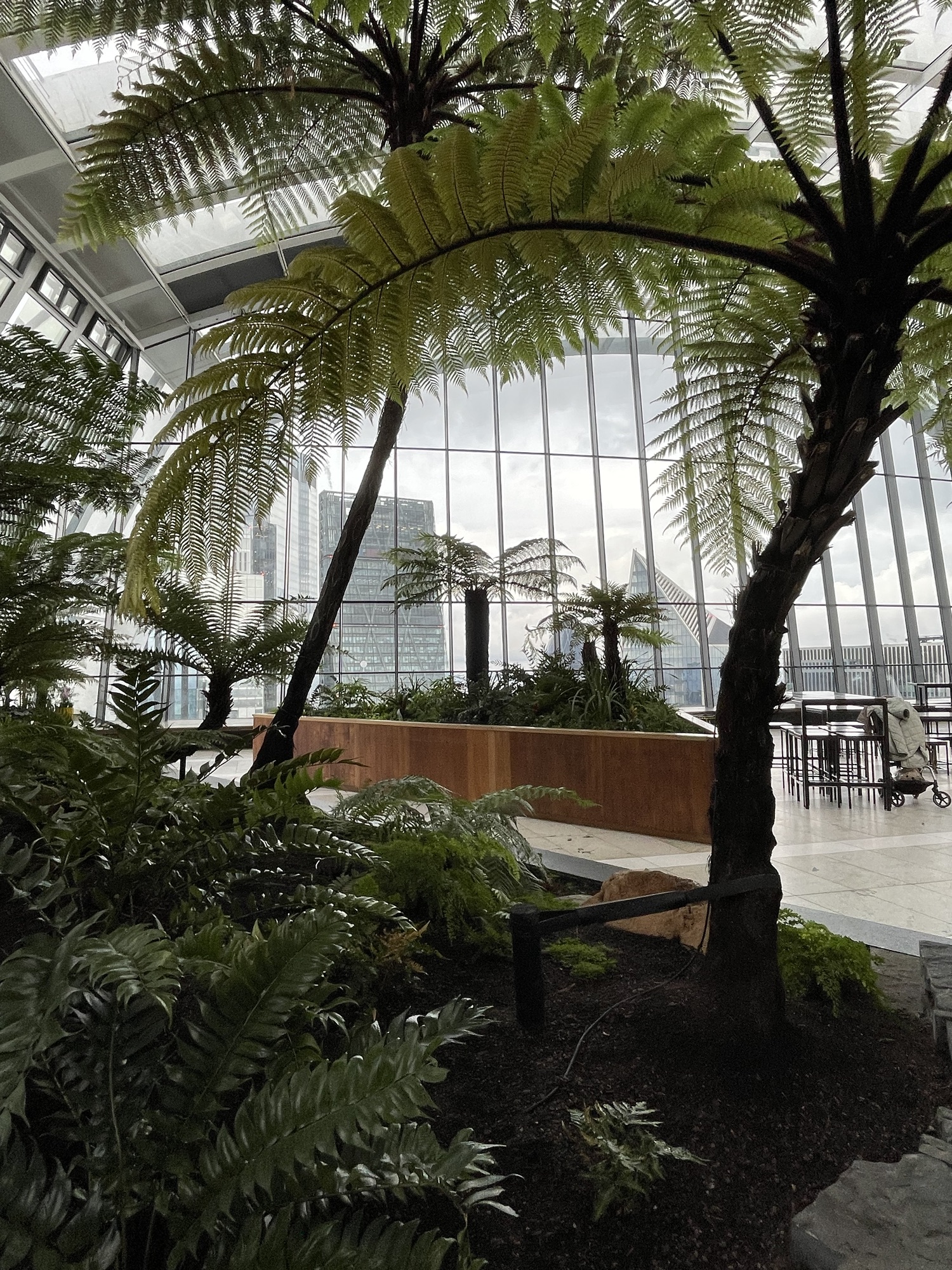
If you’re looking to see the London skyline without the need for a long visit, Garden at 120 is a good option to consider. Located at 120 Fenchurch Street, it offers fantastic views of the city, including iconic landmarks like The Shard and St. Paul’s Cathedral, but with less crowds than more popular spots. However, if you visit later in the day, especially in the afternoon, expect to encounter lines as it becomes more popular.
We arrived right when it opened, and there was no line, which allowed us to take in the views without feeling rushed. We spent about 15 minutes soaking in the sights of the skyline and surrounding buildings before moving on. It’s an ideal spot if you’re looking for a quick, hassle-free view of London, without the need for reservations or long waits. The location is convenient, and the views make it worth a brief stop. The garden also features a restaurant, but it doesn’t open until later in the afternoon.


3+2 General Do’s and Don’ts in London
Do’s
1. Location, location, location
You may have known London is a major city, but did you realize just how big it actually is? Given London’s size of roughly 1,572 square kilometers, cities like Paris, Berlin, and Madrid could each fit within London multiple times, with Paris able to fit about 15 times, Berlin roughly 1.8 times, and Madrid around 2.6 times.
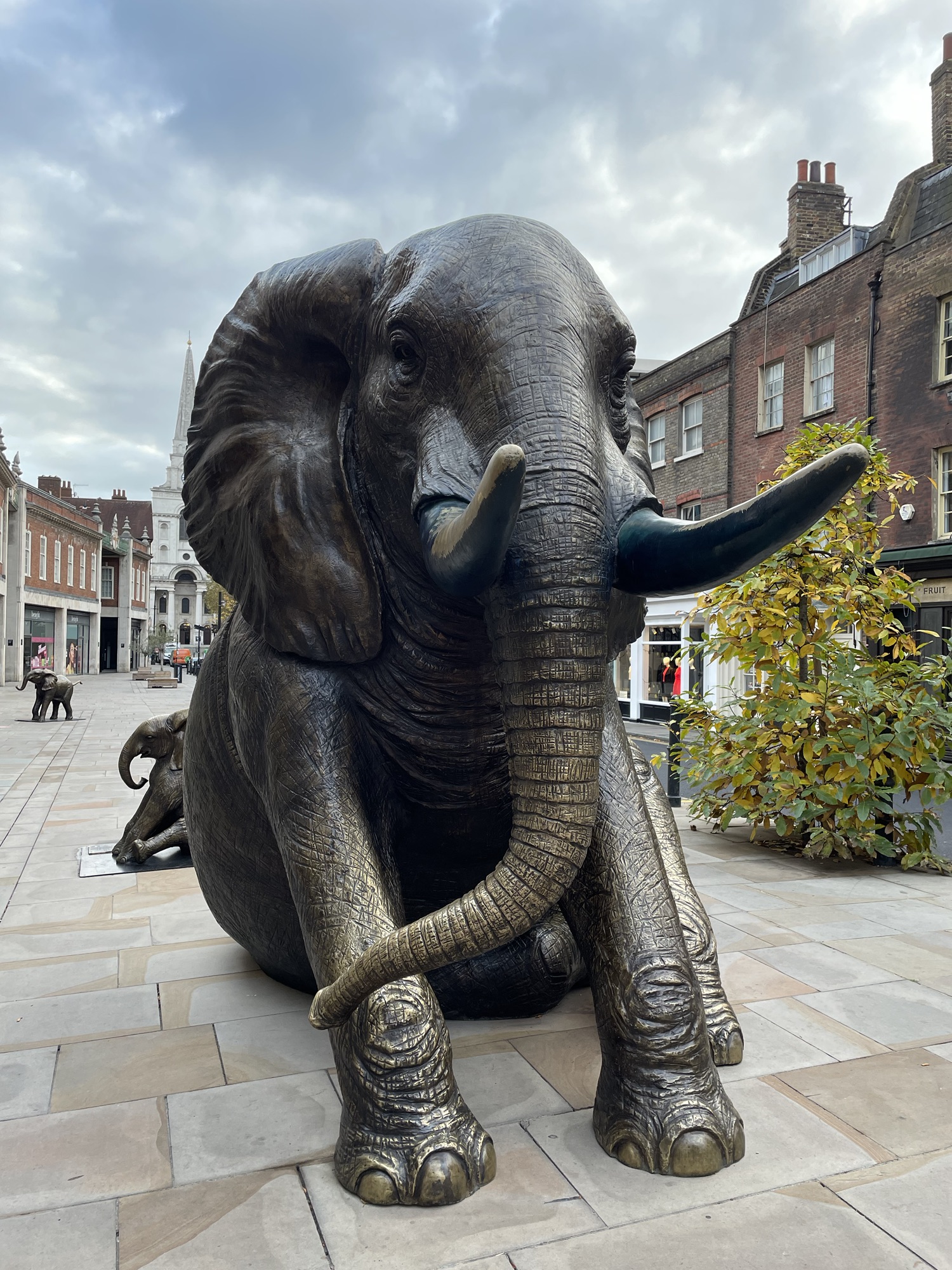
Picking the right side of London is crucial if you want to make the most of your visit without spending all your time on transportation. Each side of London offers a different experience:
- West London: Known for its historical landmarks like Buckingham Palace, the West End theaters, and affluent neighborhoods like Kensington and Chelsea. If you’re interested in shopping, culture, and traditional landmarks, this is your spot. Pricing: High to Very High.
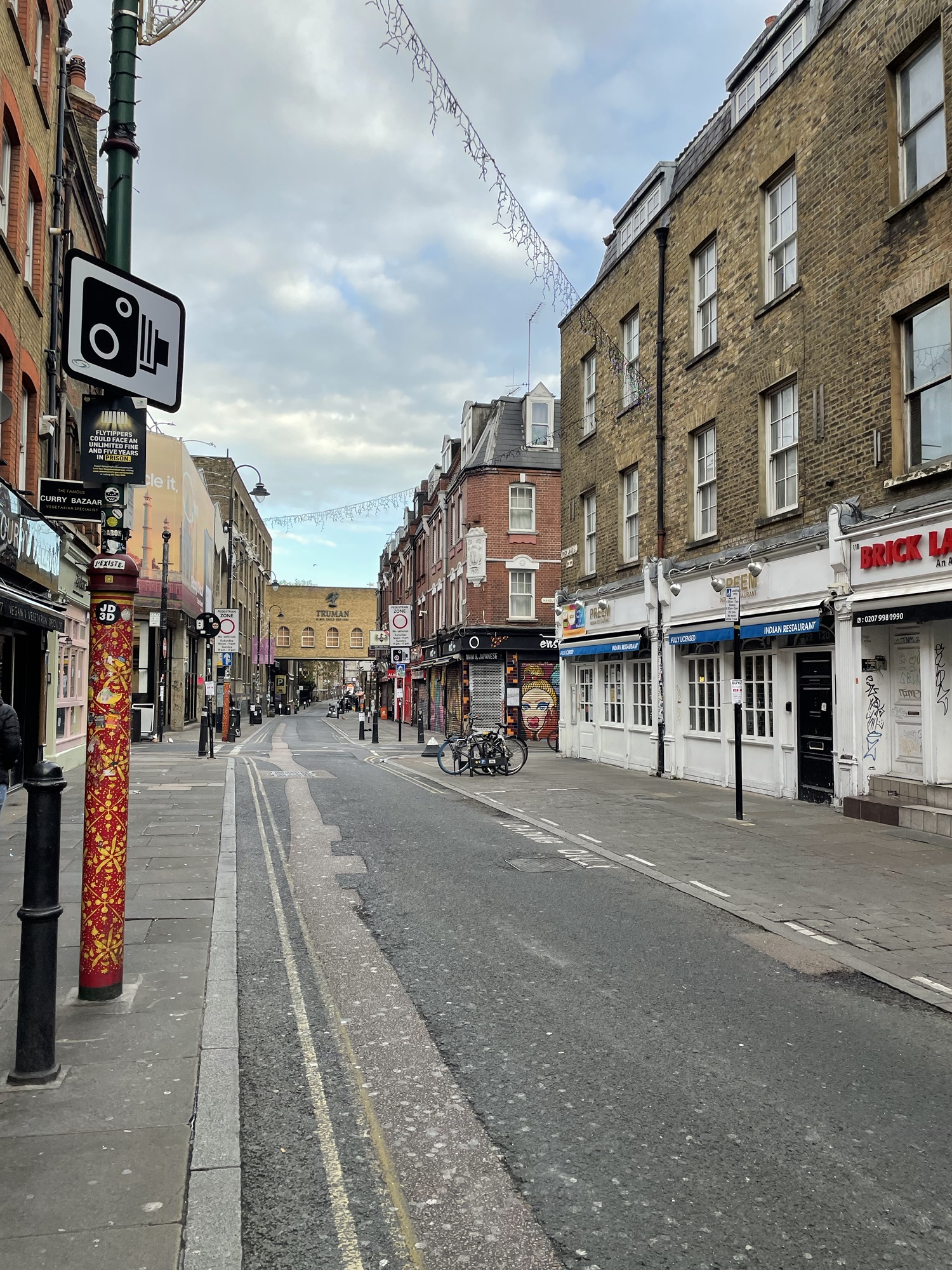
- East London, once a hub for docklands and industry, is now recognized for its street art, indie shops, and diverse street food markets. It offers excellent transport connections, including the London Underground’s Central, Overground, and District lines. Pricing: Moderate.
- North London: Offers more residential charm with areas like Camden and Hampstead. It’s great if you want to experience a more local, laid-back vibe with markets, historic pubs, and green spaces. Pricing: Moderate to High.
- South London: Often overlooked by tourists, South London has its own unique attractions, such as the Greenwich Observatory, stunning parks, and the historic Royal Naval College. If you prefer a more relaxed, family-friendly atmosphere, South London is worth exploring. Pricing: Moderate.
2. Getting most of public transportation
During my previous London trips, I often found myself grappling with the complexities of the city’s public transport system. Navigating the tube while trying to connect to trains felt like a logistical nightmare. Given these past frustrations, I didn’t have particularly high hopes for this trip when it came to commuting. However, I was pleasantly surprised this time around. With the more relaxed pace of a vacation and plenty of time to plan our journeys, getting around felt much easier and more manageable.
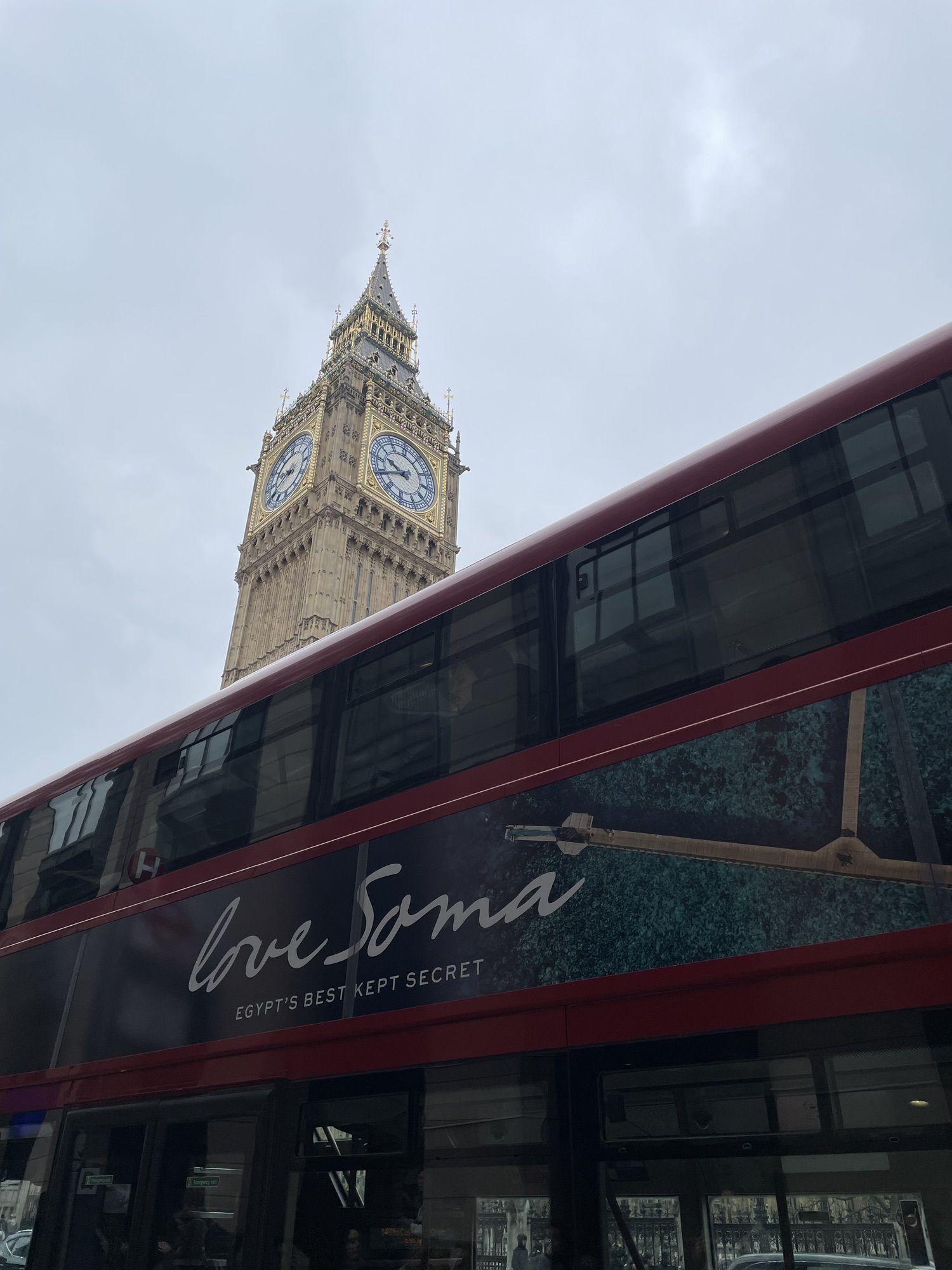
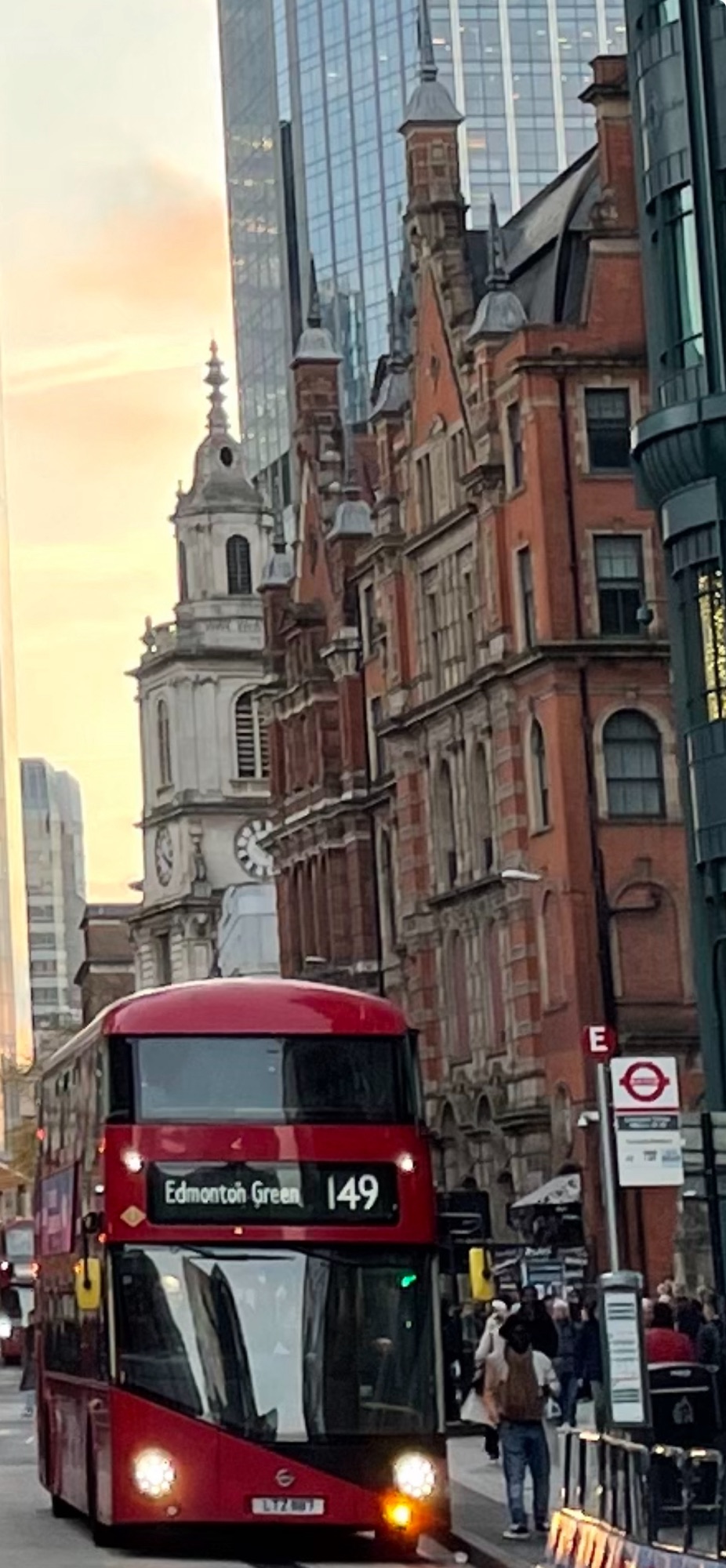
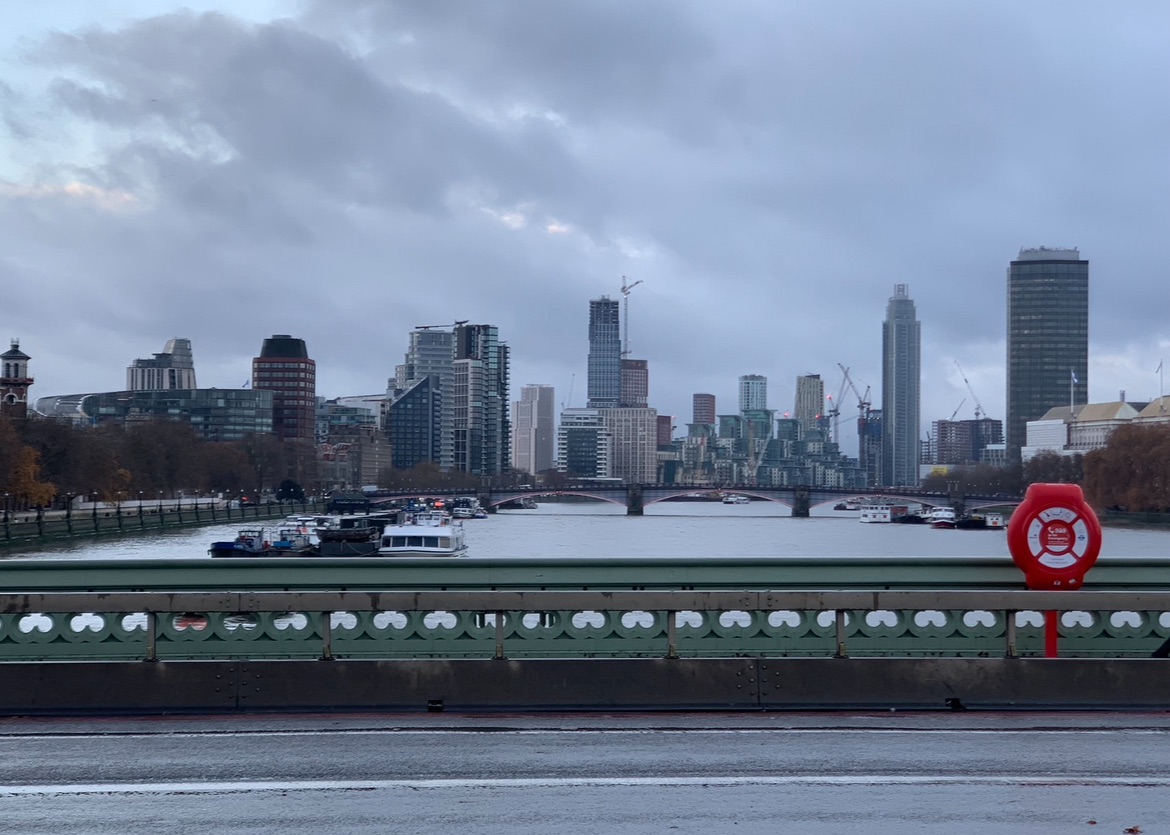
No matter where you are located in the city, I recommend not to splurge on touristy bus tours and take the local bus line (a double-decker as well) instead. Utilize the extensive London Underground network and local bus routes to get a real sense of the city. We did with route 11: Fulham to Liverpool Street, passing Westminster Cathedral, Westminster Abbey, Big Ben and the Houses of Parliament.
3. Enjoy the diverse scenes – of everything
London is a city where you can experience a wide range of cultures, entertainment, and attractions. Enter the world-class museums and galleries that are largely free including the British Museum, the Natural History Museum, the Tate Modern, and the Imperial War Museum.
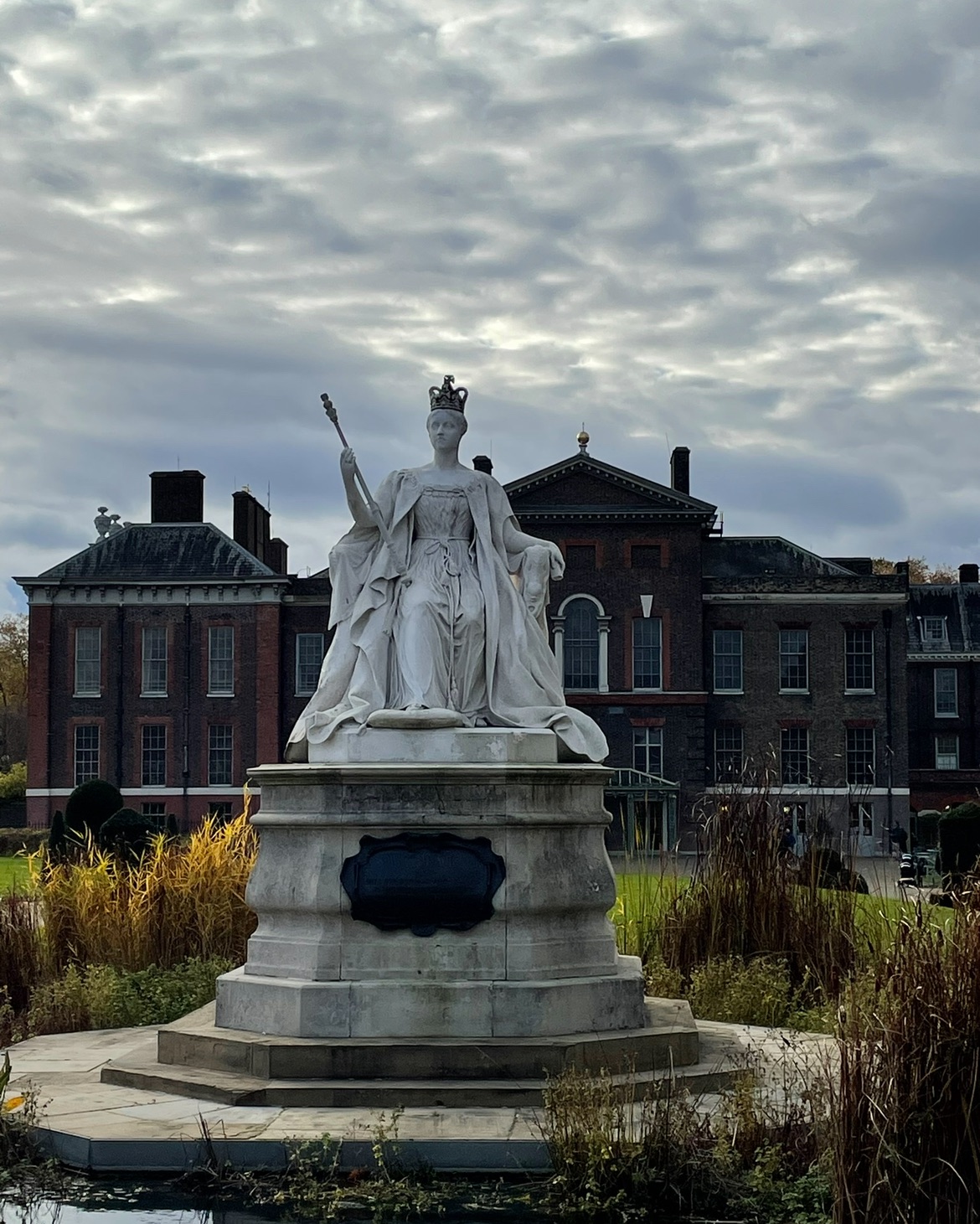

The atmosphere in local pubs is typically warm and welcoming, making them a great place to interact with locals and experience British hospitality. London’s food scene is incredibly diverse, and one of the highlights is its curry, which is a must, especially if you’re located in East London. Another legendary dish in London is fish and chips. Most pubs cater to it, and while you can find it in fancier places, I recommend going local. Unlike many other European cities where bars can stay open until the early hours, London pubs typically close much earlier—often by midnight or even earlier.
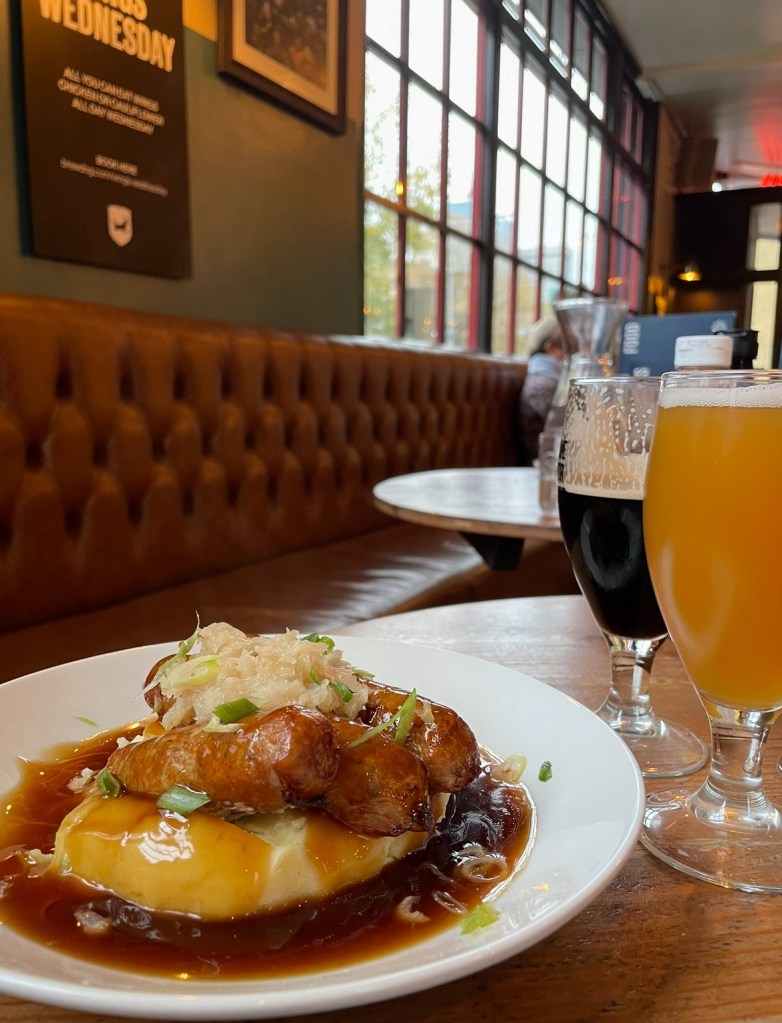
A classic British comfort food, bangers and mash consists of sausages (bangers) served with mashed potatoes and often topped with rich gravy. It’s a simple yet hearty dish that captures the essence of British cuisine.
If you’re a tea person, you’ll love the city. Afternoon Tea is a classic experience, but don’t forget to explore the cozy tea places that London has to offer. Whether you’re looking for a quaint tearoom with a relaxed atmosphere or a trendy spot to sip and savor, there’s a tea experience for every mood and occasion in London.
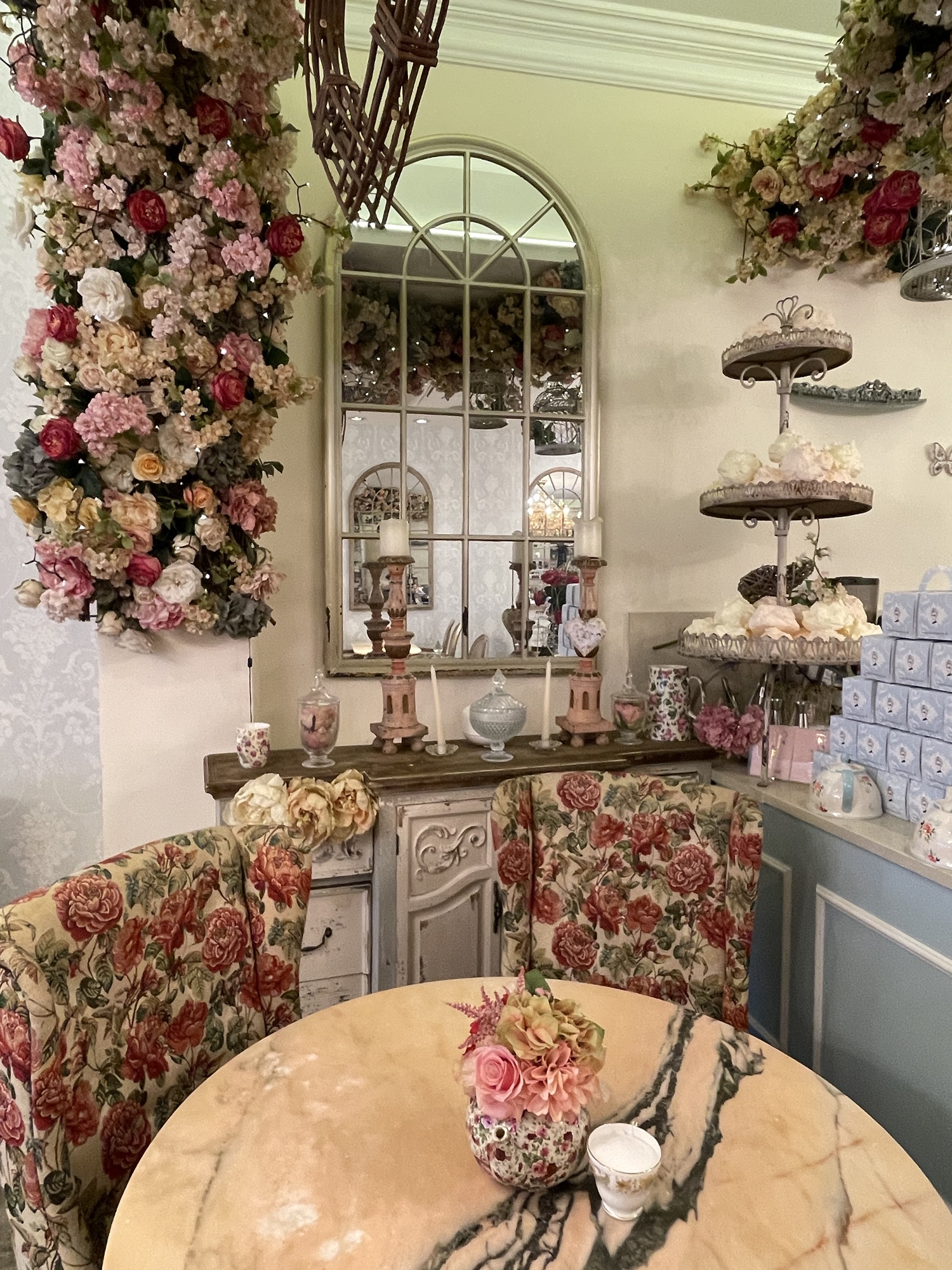

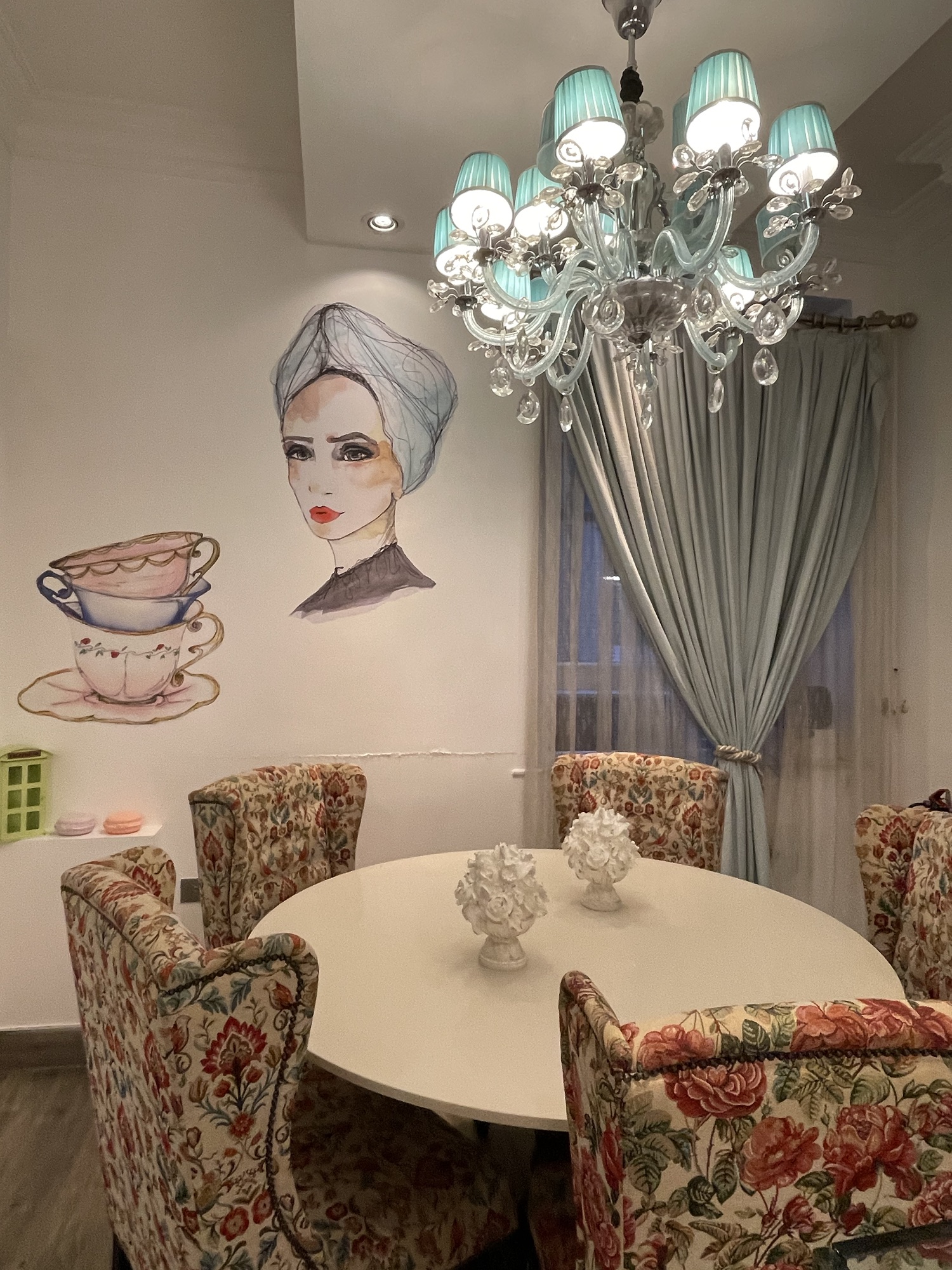
Afternoon tea, which I once experienced in London a few years back, is a great British tradition that involves tea served with an assortment of sandwiches, scones with clotted cream and jam, and a variety of cakes and pastries.
We skipped the Sunday roast this time—something definitely to look forward to on future trips.
Don’ts
1. Don’t rush your visit
London is a city where it’s easy to fall into the trap of trying to see everything at once. Instead of rushing from one landmark to another – running like a headless chicken – take your time to really absorb the atmosphere of each area and enjoy what makes each neighborhood unique. Prioritize quality over quantity and focus on a few key experiences rather than trying to do it all. If you don’t see that landmark today, you’ll see it next time.
2. Don’t splurge on tourist traps
Avoid falling into the trap of expensive tourist activities like hop-on-hop-off bus tours or overpriced attractions. Some experiences, such as the Sherlock Holmes Museum at 221B Baker Street, may seem appealing but is not worth of the time or money. As a fan of Sir Arthur Conan Doyle’s legendary detective, I was excited to visit, but the museum didn’t quite live up to the hype. It ended up feeling more like a tourist trap rather than an authentic experience. Super small place, not much to see, really.
Closing Remarks:
What I love about London is that the city is so diverse—it really does have something for everyone. From history to haute cuisine, culture to cool, London’s got it all. It’s a city where past and present seamlessly merge. You can dive into history one moment and be swept away by contemporary culture the next. Much was left intentionally to the next time – West End musicals, world-class museums, and the classic Sunday roast.
I hope you enjoyed this blog post. Until next time, cheers to more adventures in this captivating city!

 Jackinna of all Trades