Spending 10 days in Italy was amazing! We explored the old streets of Rome, enjoyed delicious food in Naples, and admired the stunning views at Lake Albano. The culture, history, and friendly people added so much to our trip. Whether you’re planning your first visit or looking to explore new gems, this blog post aims to highlight key experiences and help you make the most of your days.
When in Rome
Rome, the eternal city, captivates with its timeless allure, rich history, majestic architecture, and status as the cradle of Western civilization. It’s a blend of historical significance and contemporary culture, known for its delicious gelato and pasta, and unfortunately, challenges with public transport. Despite the never ending saga of crowds and long queues, especially at popular attractions, the city is worth the effort.
Rome is a synonymous with ancient history, serving as an open-air museum. Its charm lies not only in its monumental landmarks but also in its alleys adorned with baroque facades, serene piazzas adorned with fountains, and hidden gems of Renaissance art tucked away in unassuming churches.

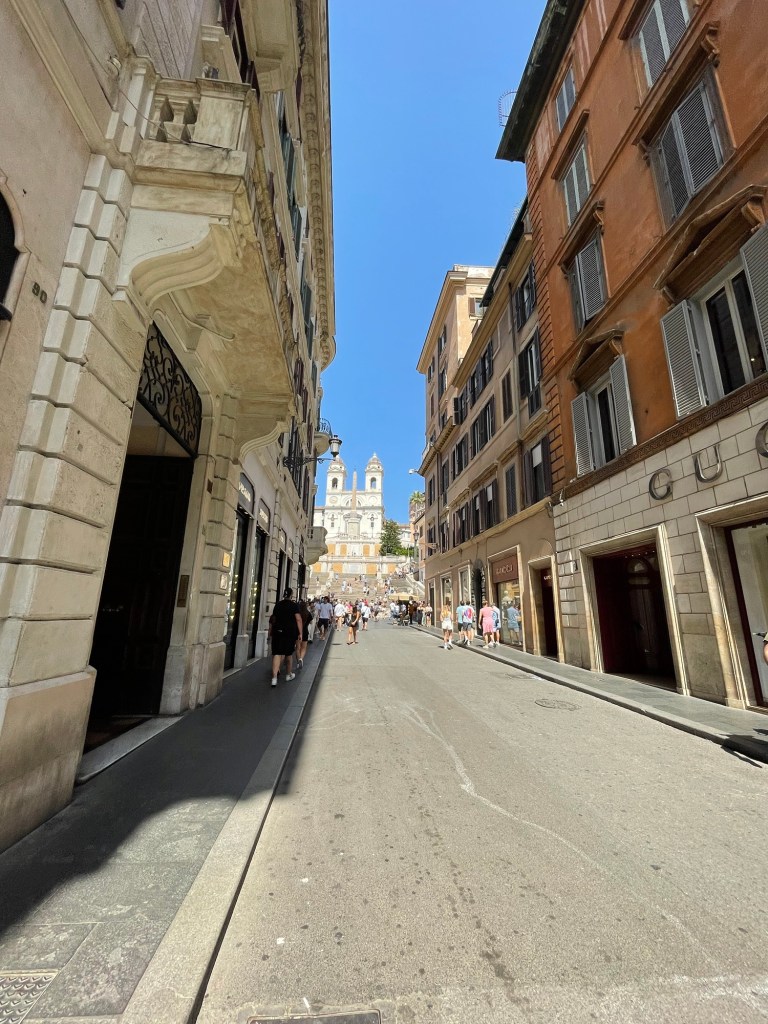
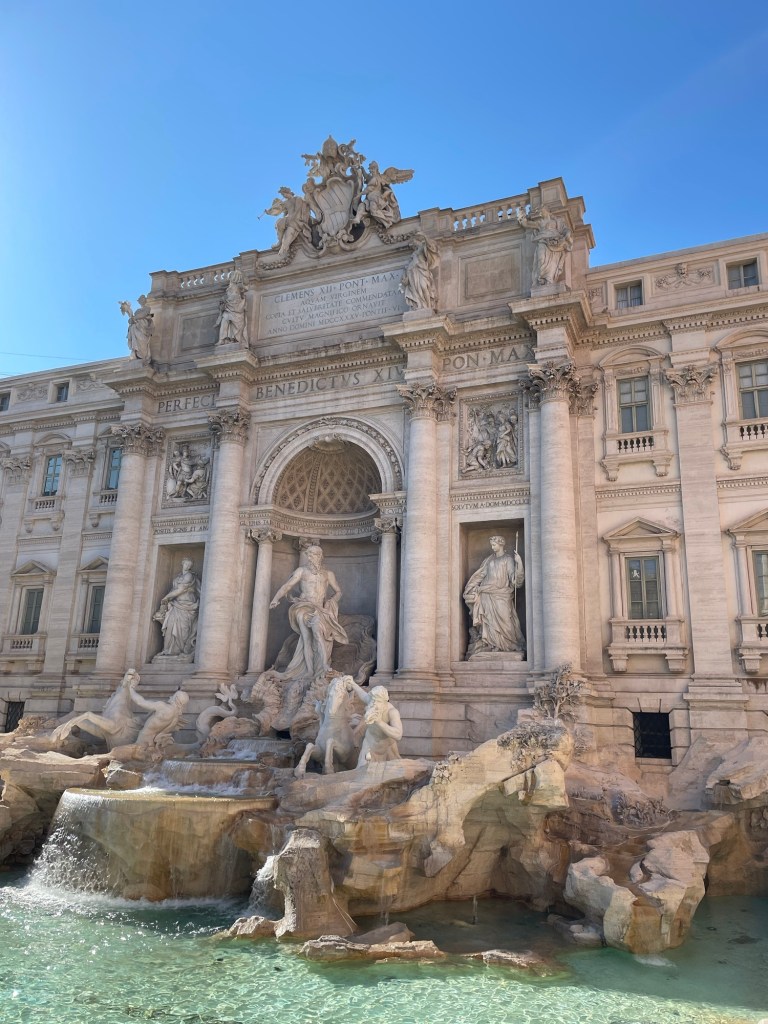
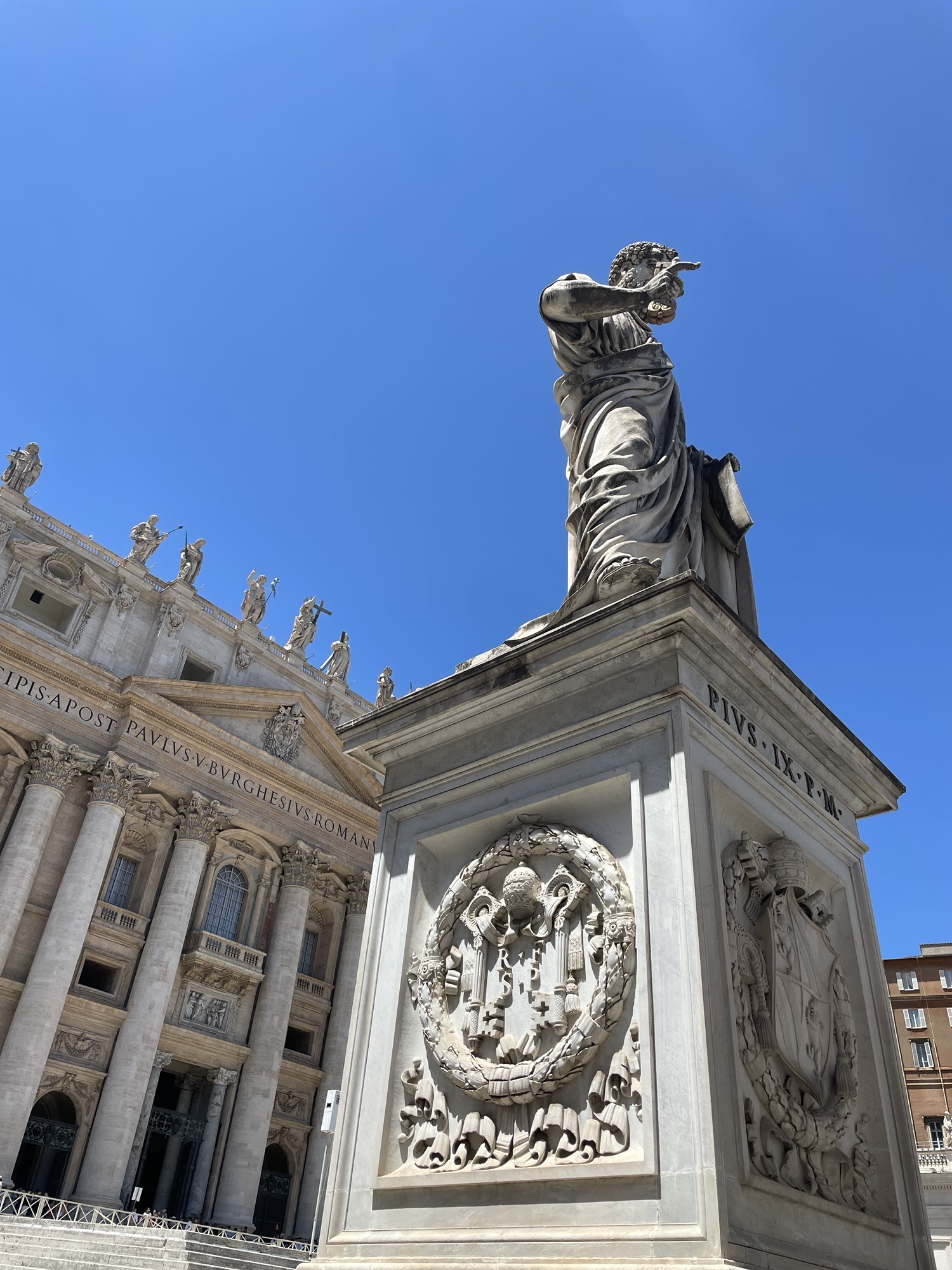
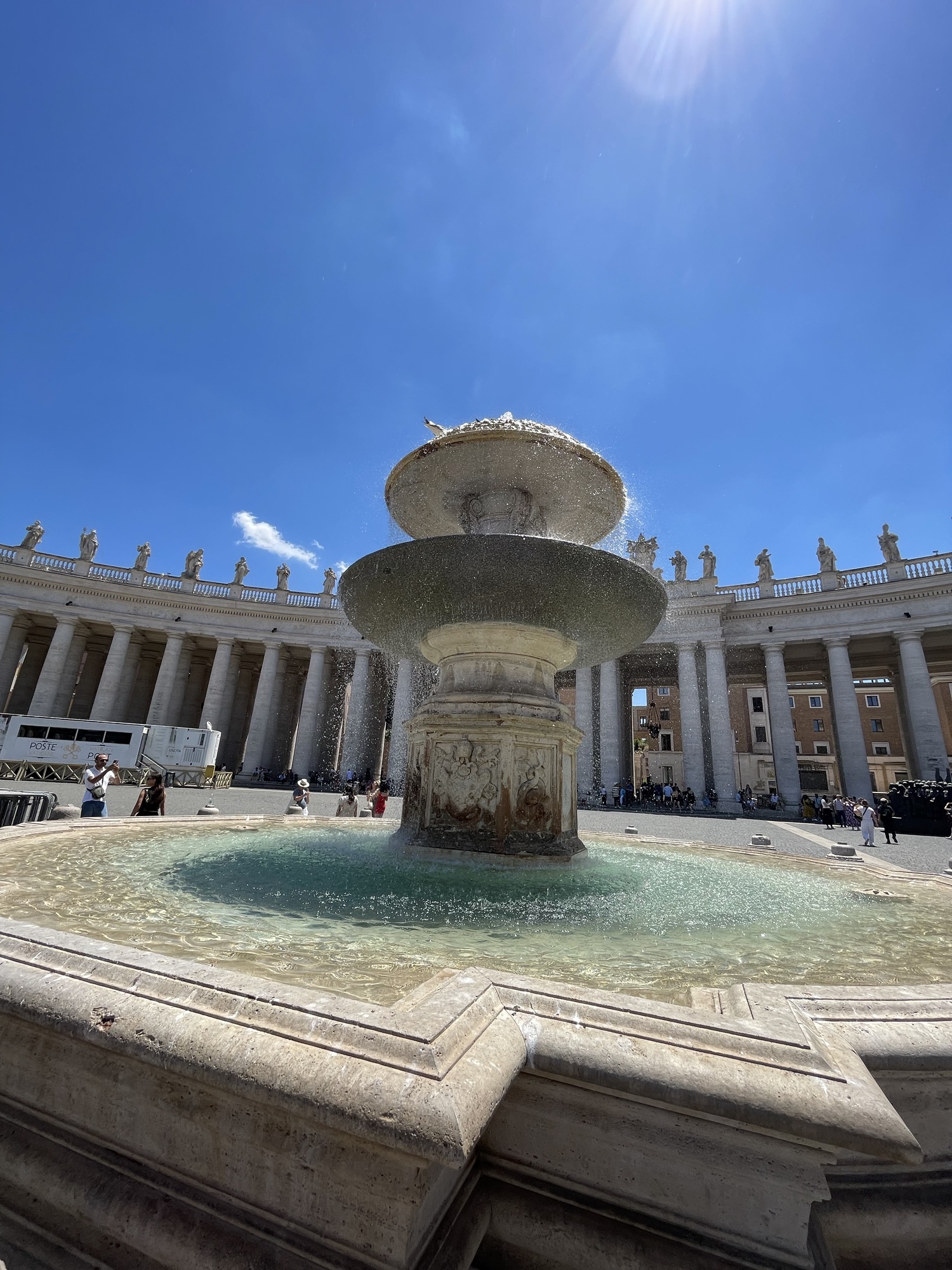
During our days in Rome, we visited the Colosseum (viewed from outside due to long queues), the Pantheon, the Spanish Steps, Trevi Fountain, and explored the Vatican City. The crowds at the Spanish Steps were overwhelming, but Trevi Fountain was on another level—just a few quick photos and we were done. This is way too popular for my preference.
The glitz and glam of Vatican City
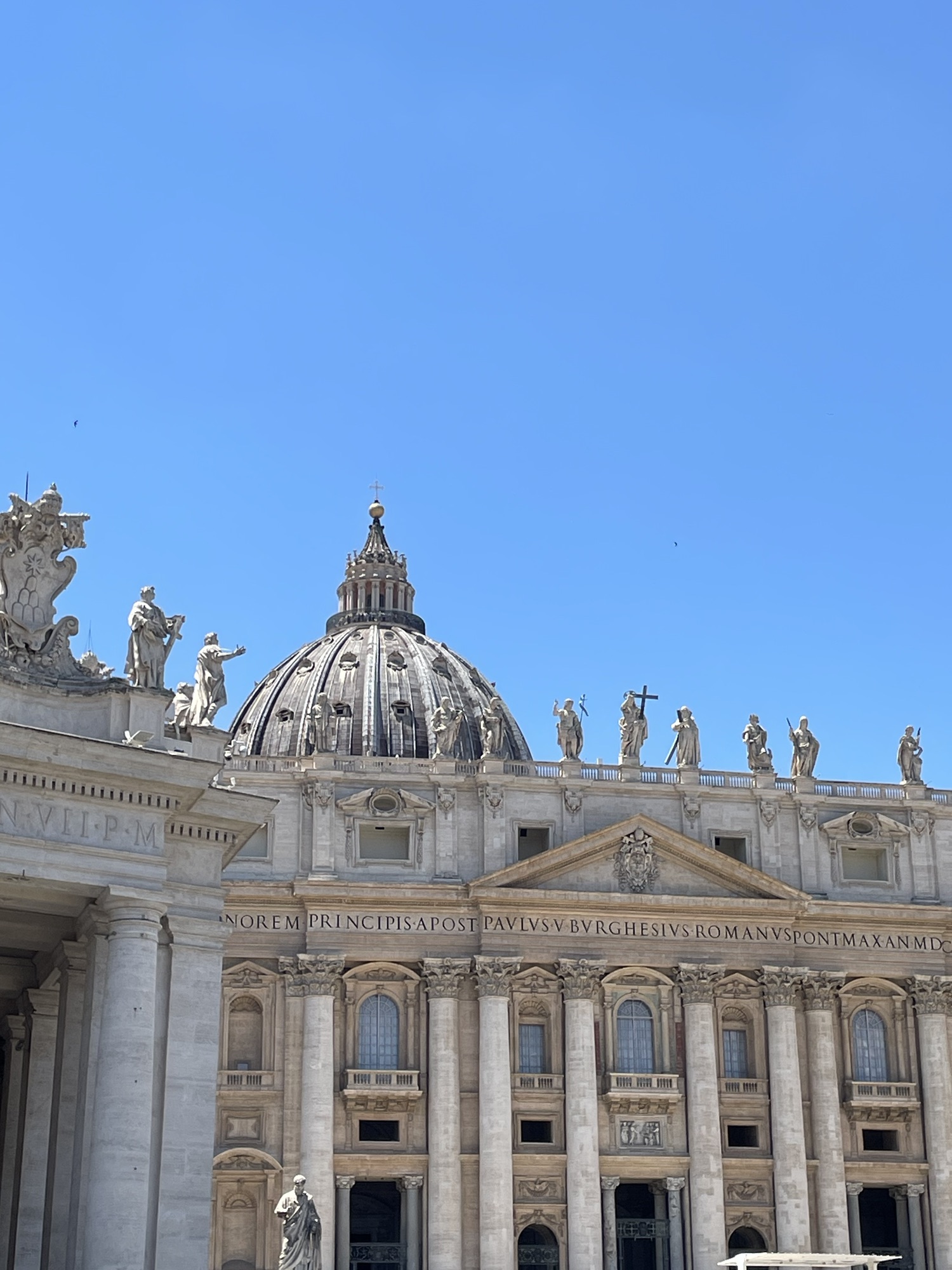
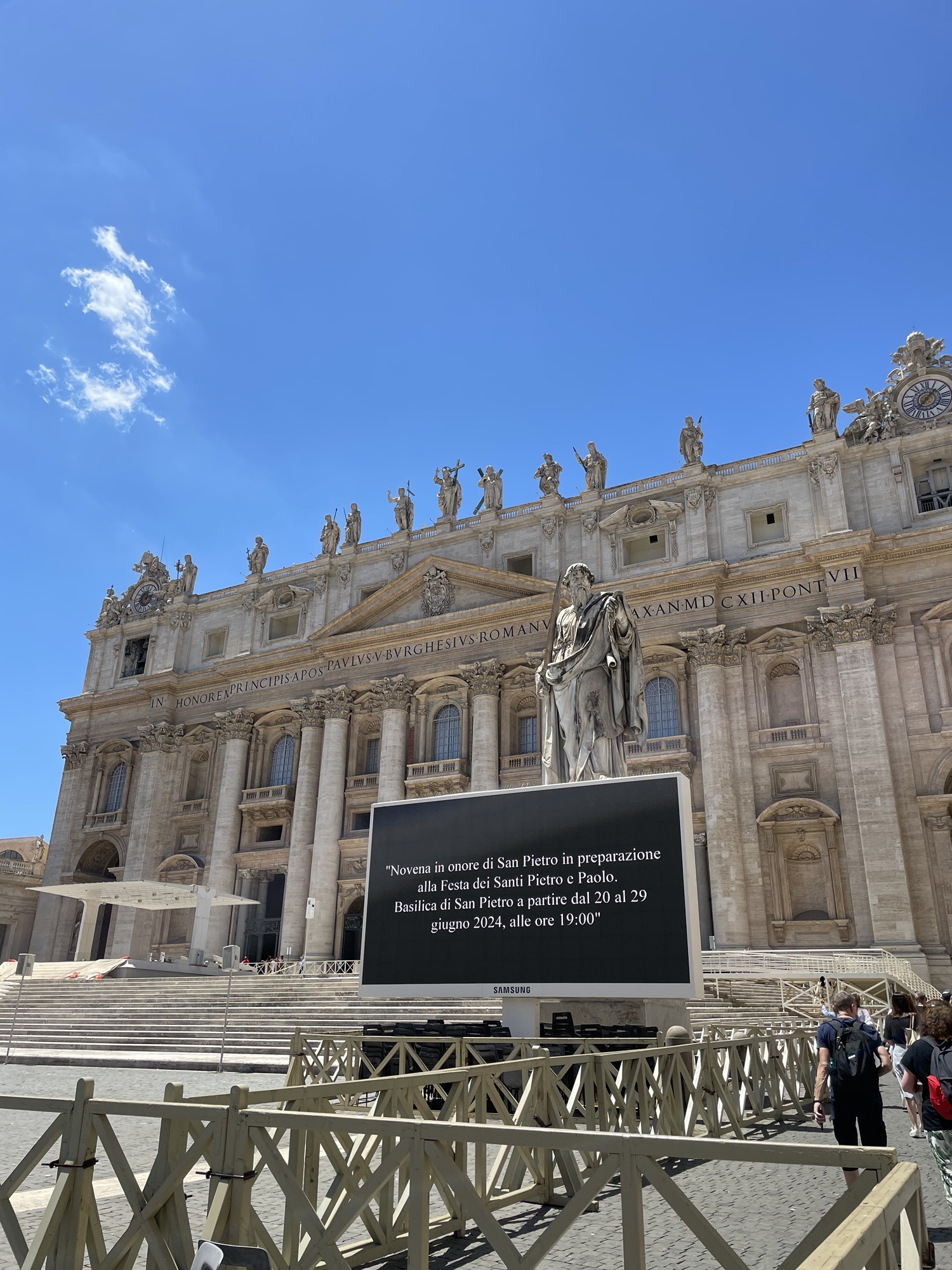
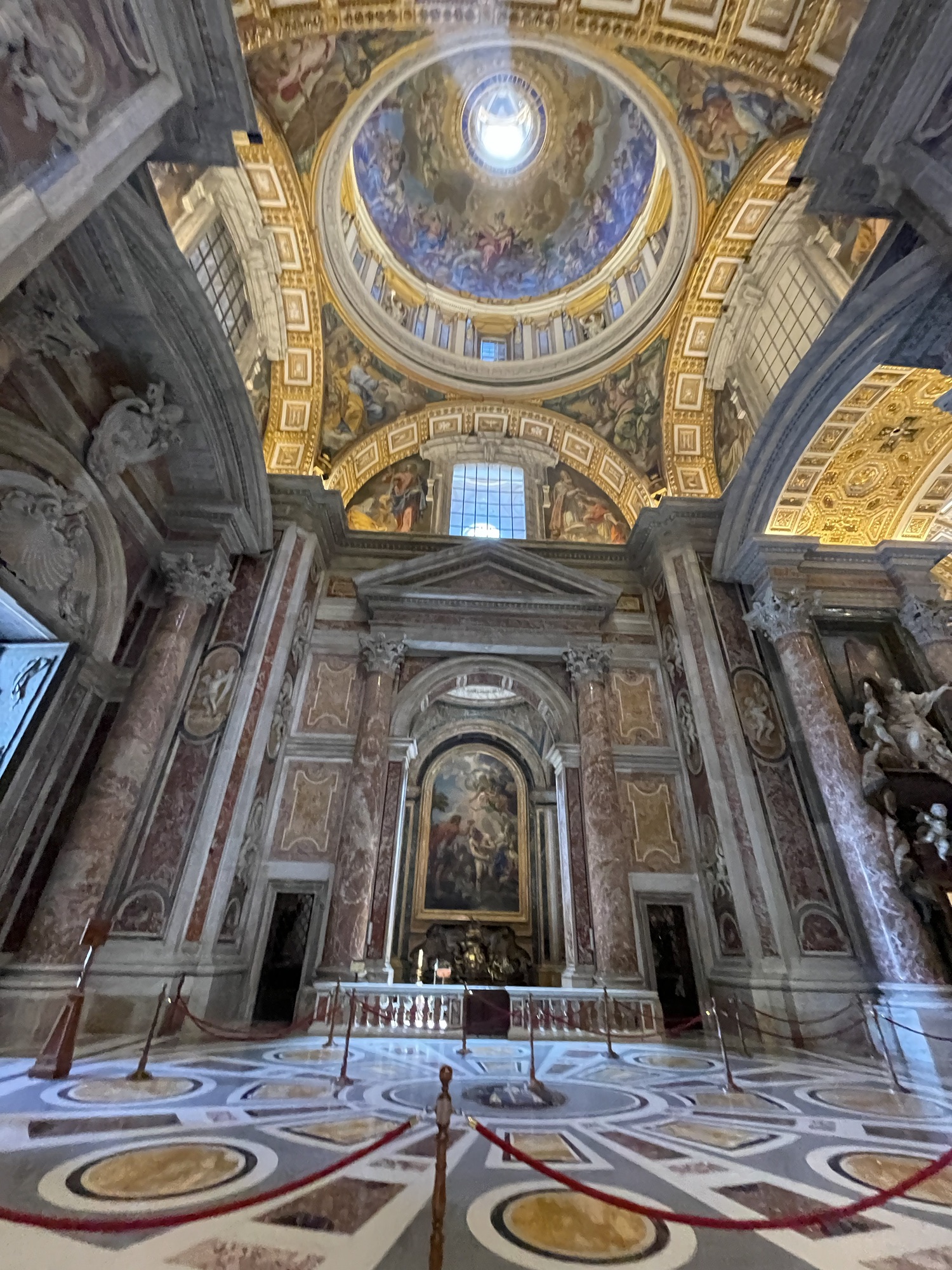
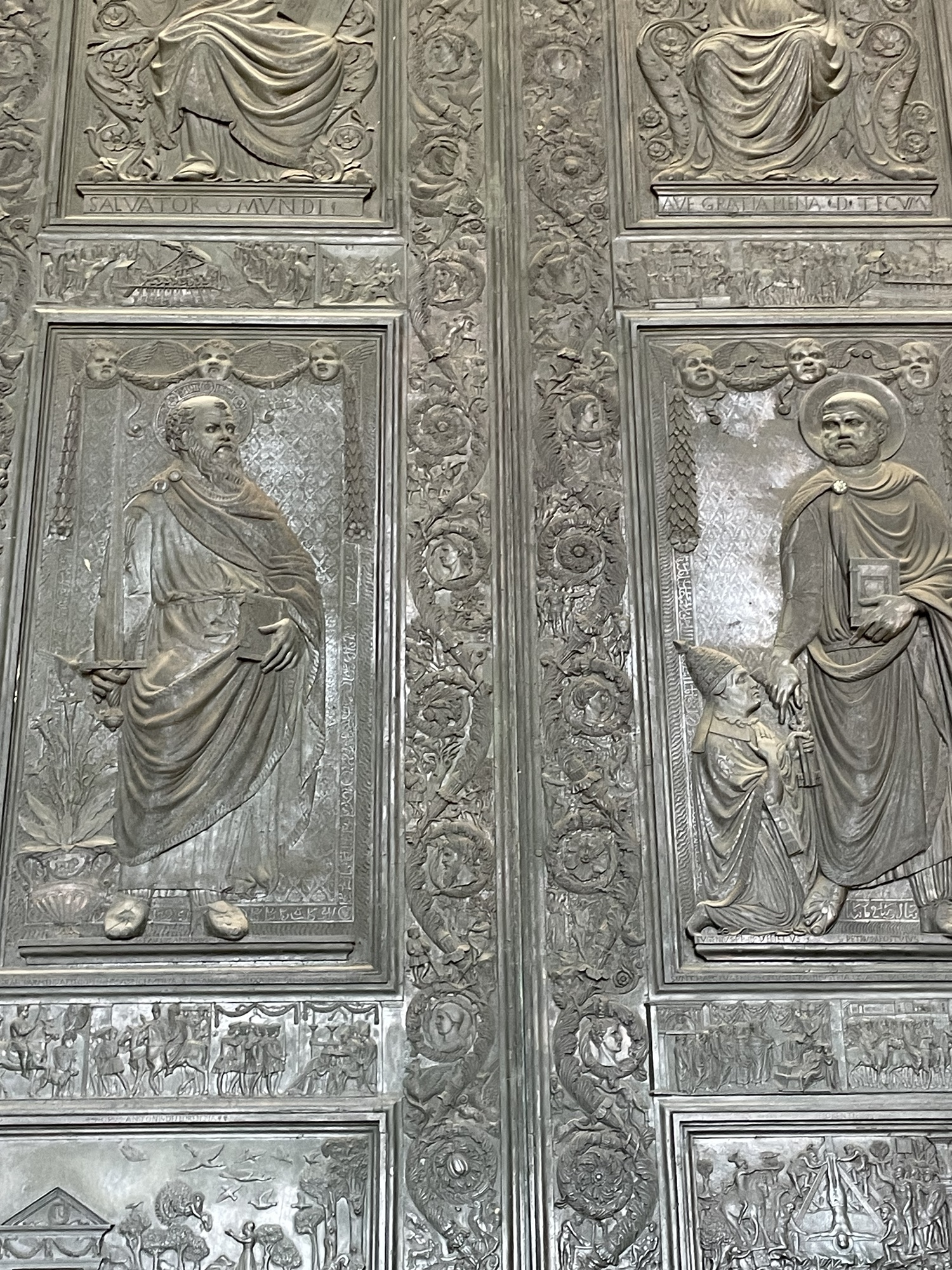
A visit to the Vatican, or Vatican City, is a must-see when you’re in Rome, regardless of your personal beliefs. The smallest country in the world became independent from Italy in 1929 and now attracts around 5 million tourists each year. To put this in perspective, Finland has 5.5 million inhabitants. Despite its small size, Vatican City offers quite bunch of attractions that draw visitors from around the globe.


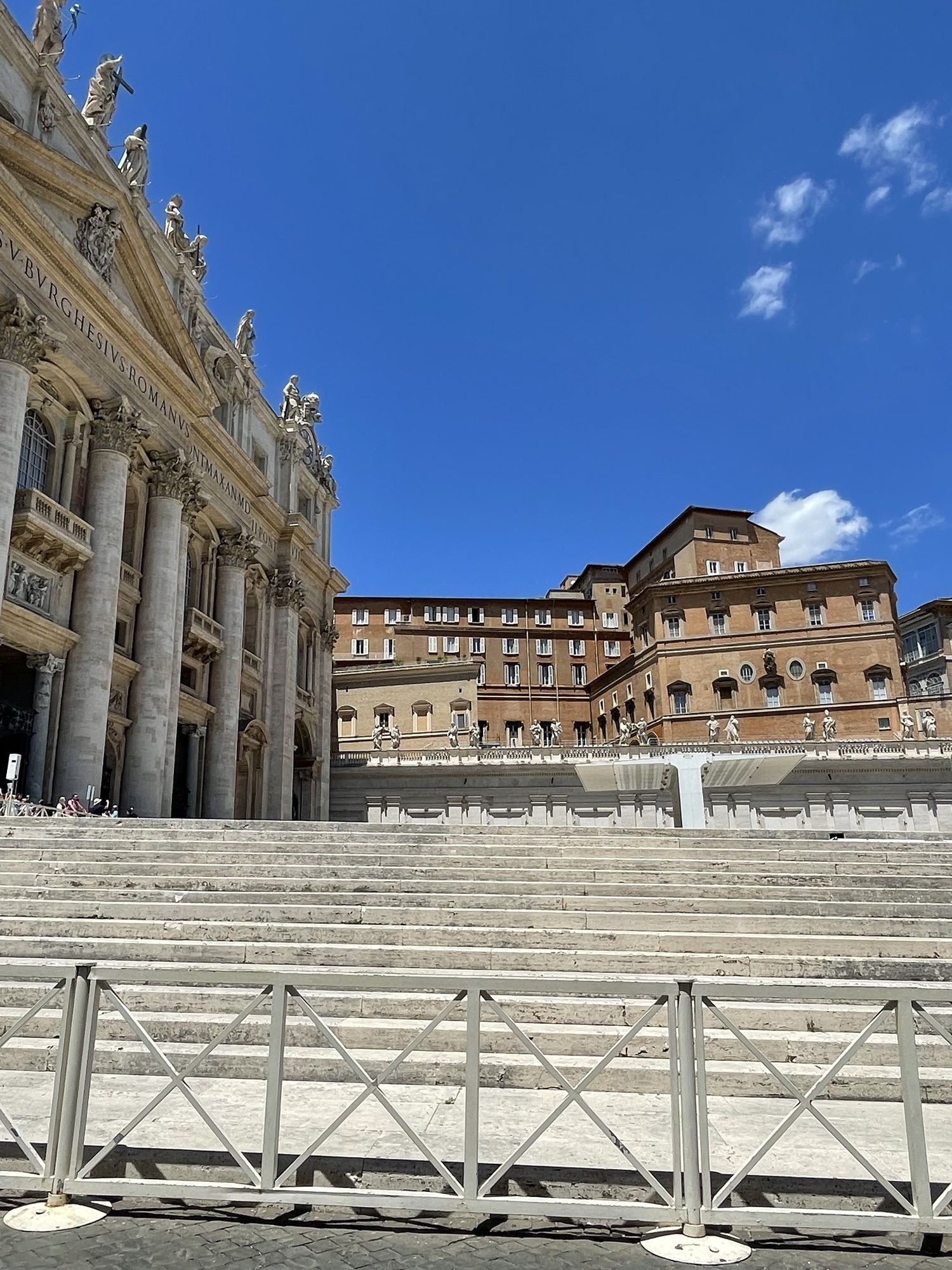
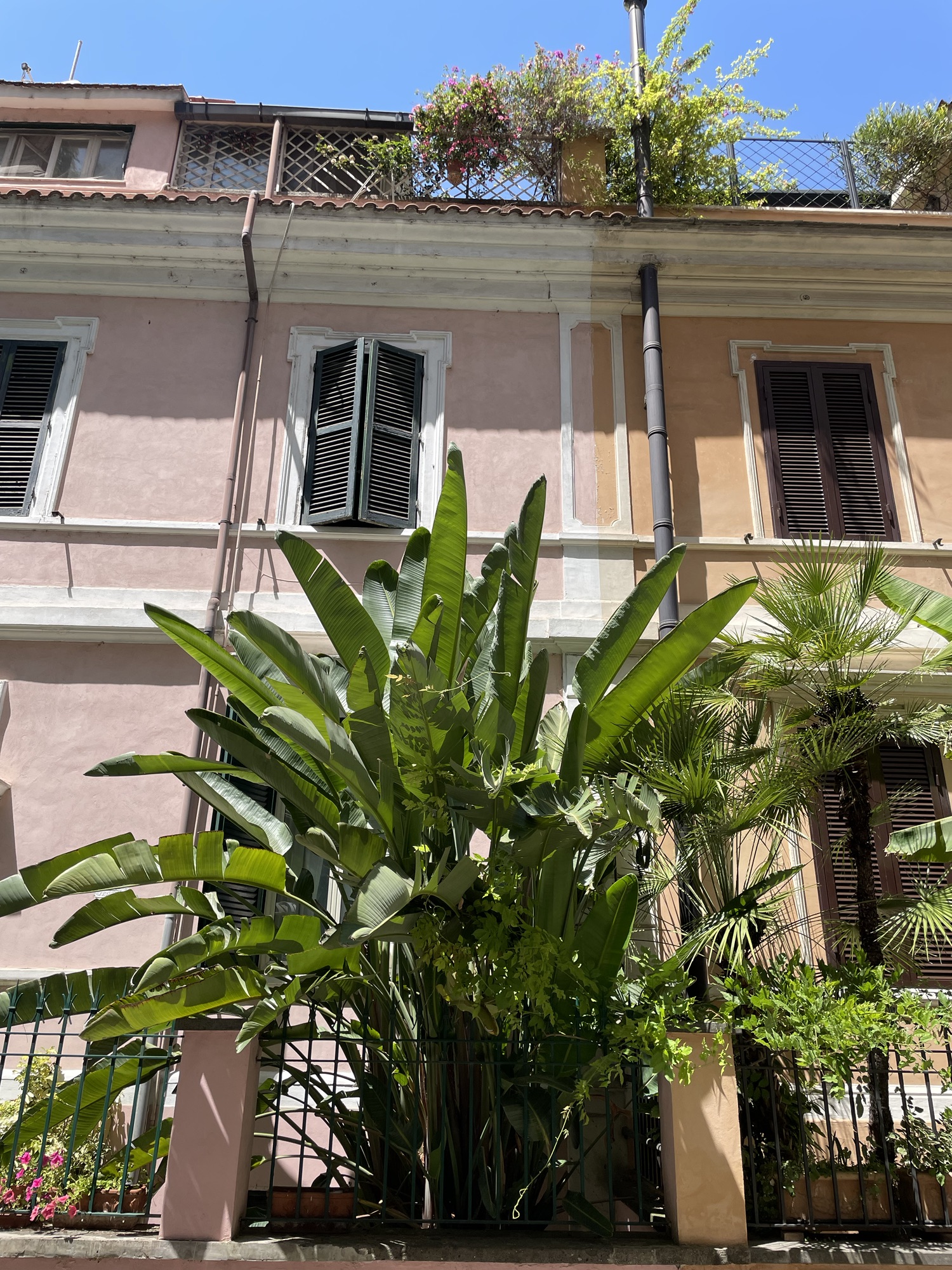
Getting lost in Rome is highly recommended. Embrace the spirit of exploration and allow yourself the luxury of not having a schedule or map—you never know what wonders you might find. Whether it’s your way upon charming piazzas, discovering hidden trattorias serving authentic pasta, or stumbling upon ancient ruins tucked away in quiet alleyways, getting lost in Rome promises unforgettable experiences that go beyond the typical tourist trail. It’s a chance to immerse yourself fully in the city’s rich history, vibrant culture, and timeless charm.
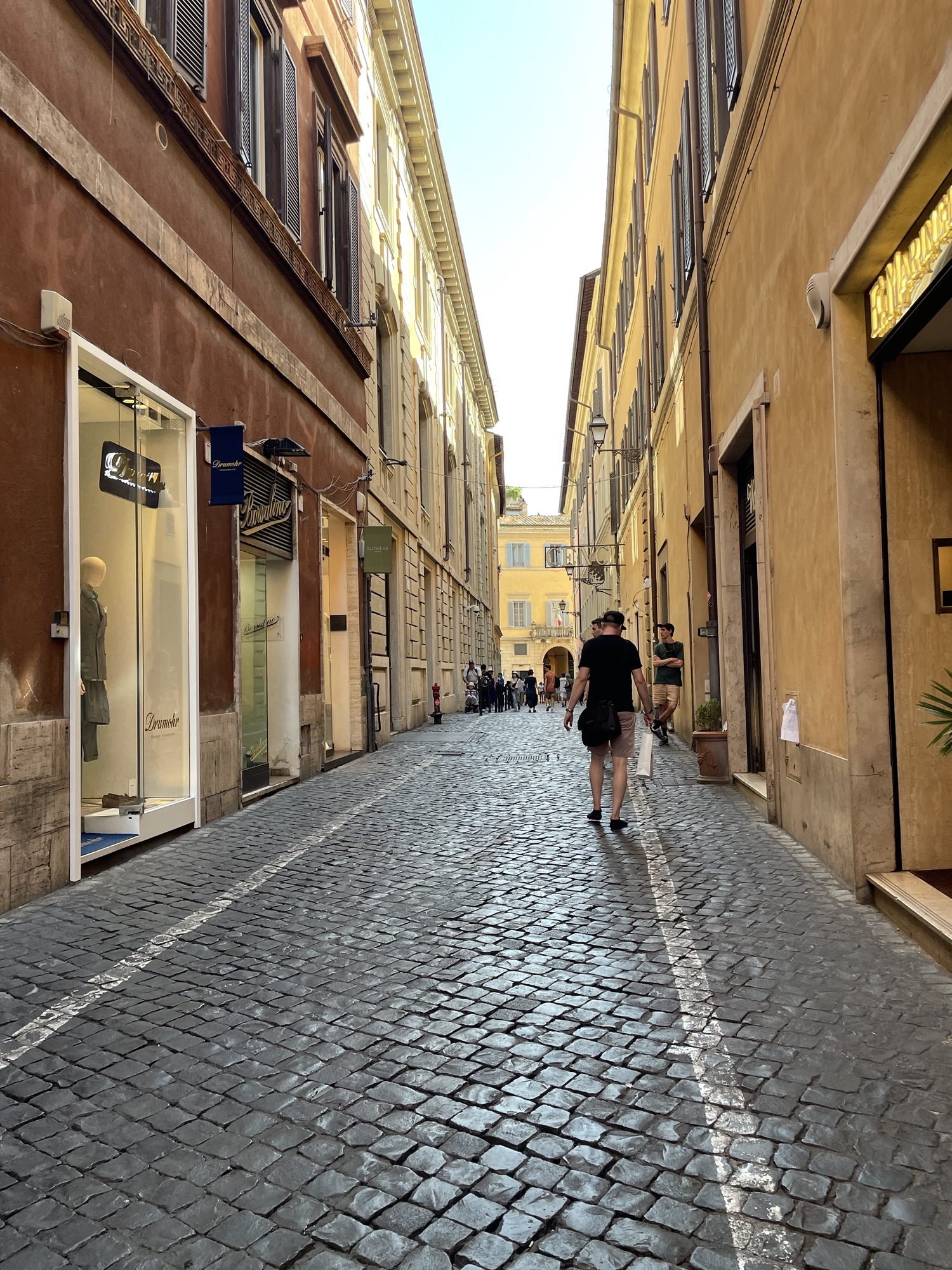
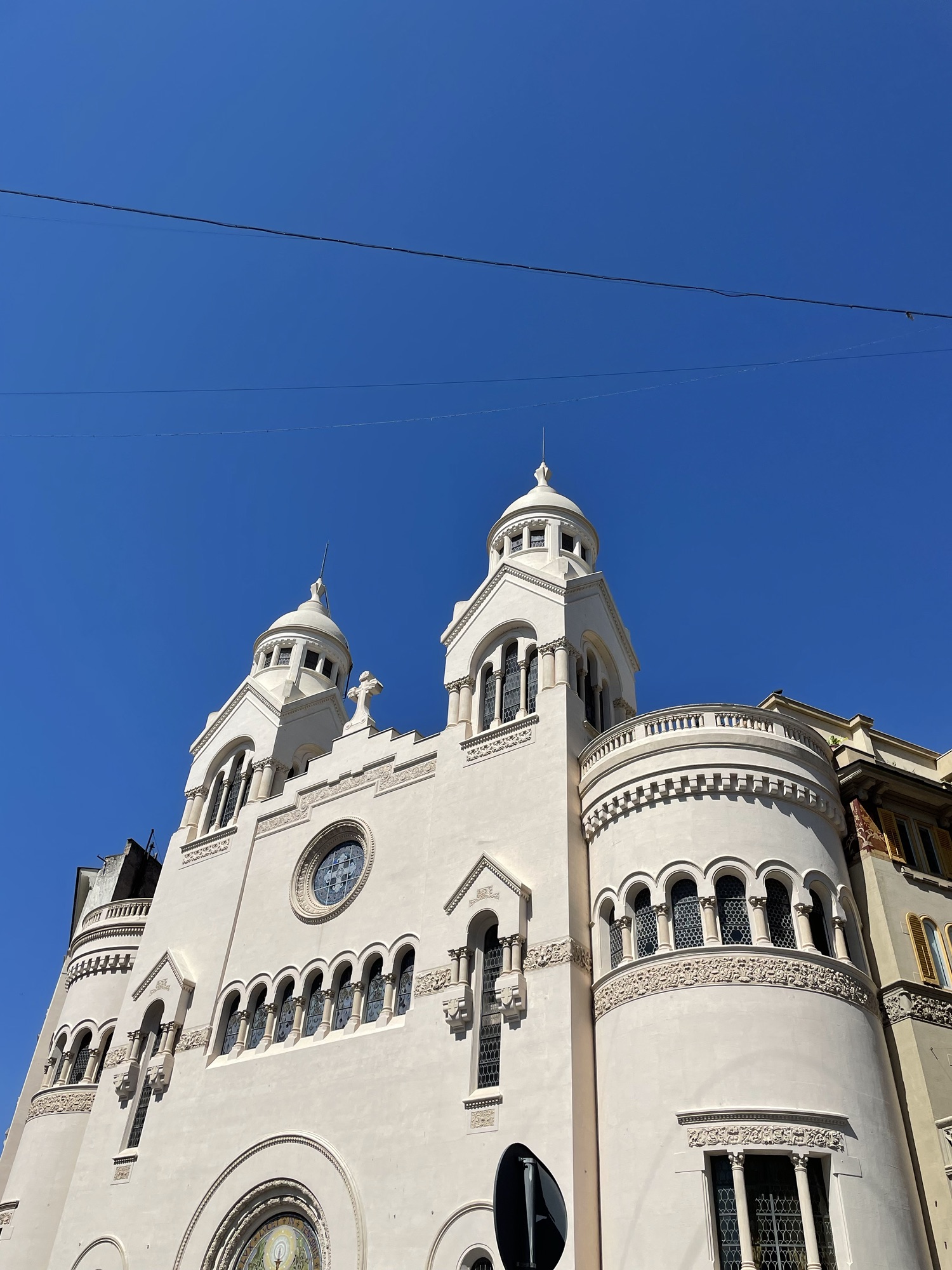


I’d say one of the worst ways to experience a city is being accompanied by a large tourist group of 10 or more people. This isn’t a critique of tours provided by knowledgeable locals, though. When you’re part of a big tourist group, the experience often becomes vague and rushed. You might find yourself herded from one attraction to another, barely scratching the surface of what the city truly has to offer.
Great poolside escape from the hustle and bustle
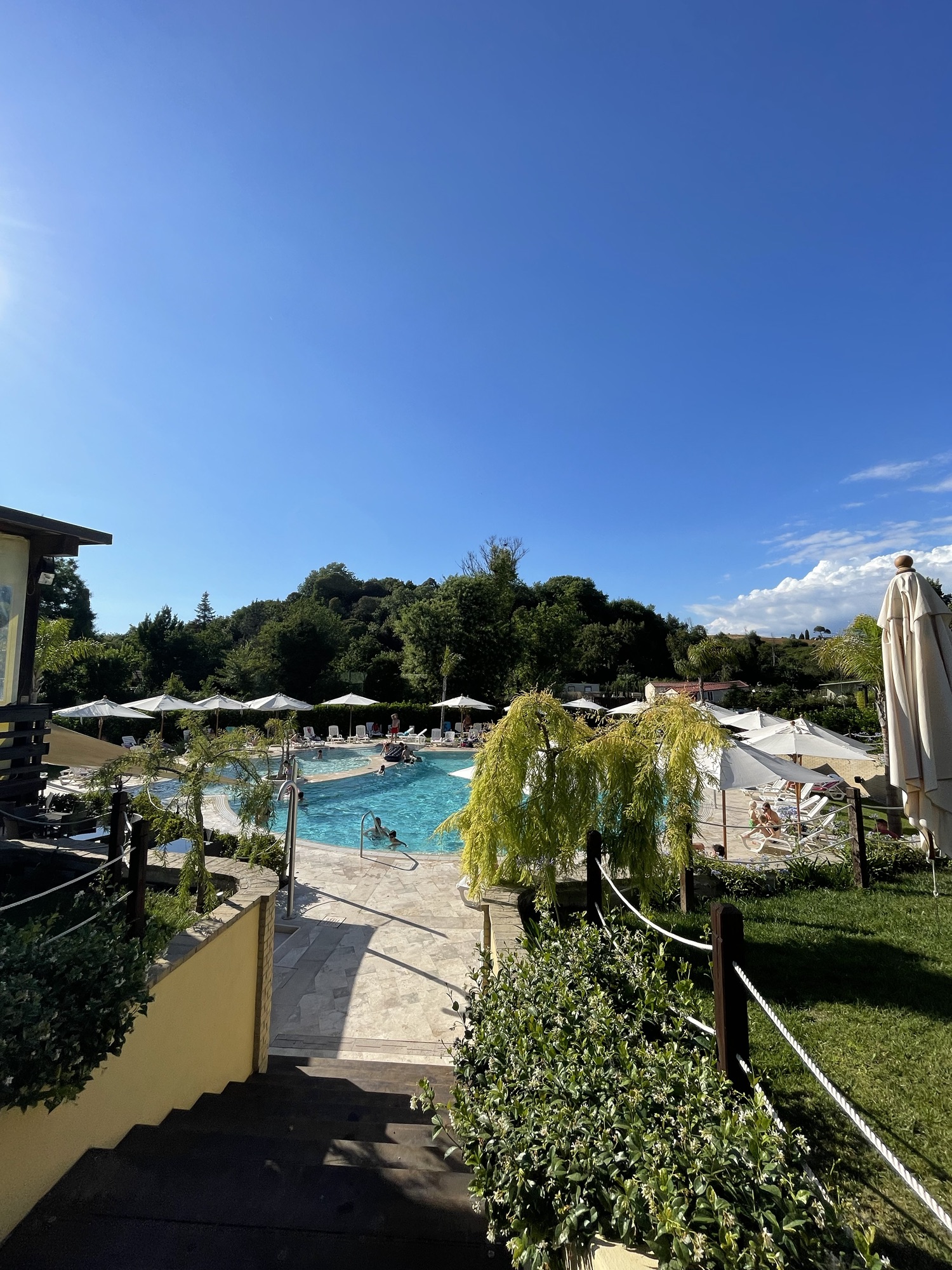
A hotel with a pool near Rome? Oh yes! This was pretty much on our wish list when selecting a place to stay, and we decided to go with Village Flaminio Bungalow Park, which was a great choice in terms of good quality for the money. No breakfast was included, but considering the beautiful pool, private and quiet bungalow, it was still a great choice. We even received a pickup service from the reception to the bungalow area and back (roughly 200m), which was a nice surprise.
During the stay, the only setback was the difficulty in getting in and out of the place. Despite being located just roughly 10km from the Colosseum— which one could say is super close— it could take over an hour with public transport and even 30 minutes by taxi. Despite its remote location and the lack of public transport or traffic, it was a great place to stay. I would recommend it to someone looking to escape the super busy city filled with tourists without needing to splurge too much.

Raw romanticism with a Neapolitan twist
Naples is the third-largest city in Italy, after Rome and Milan, with its historic city center receiving UNESCO World Heritage status in 1995. Recognized as the birthplace of pizza, Naples boasts one of Europe’s largest historic city centers. Despite lower tourist numbers and population compared to other Italian cities, it maintains its status as the country’s most densely populated urban area.
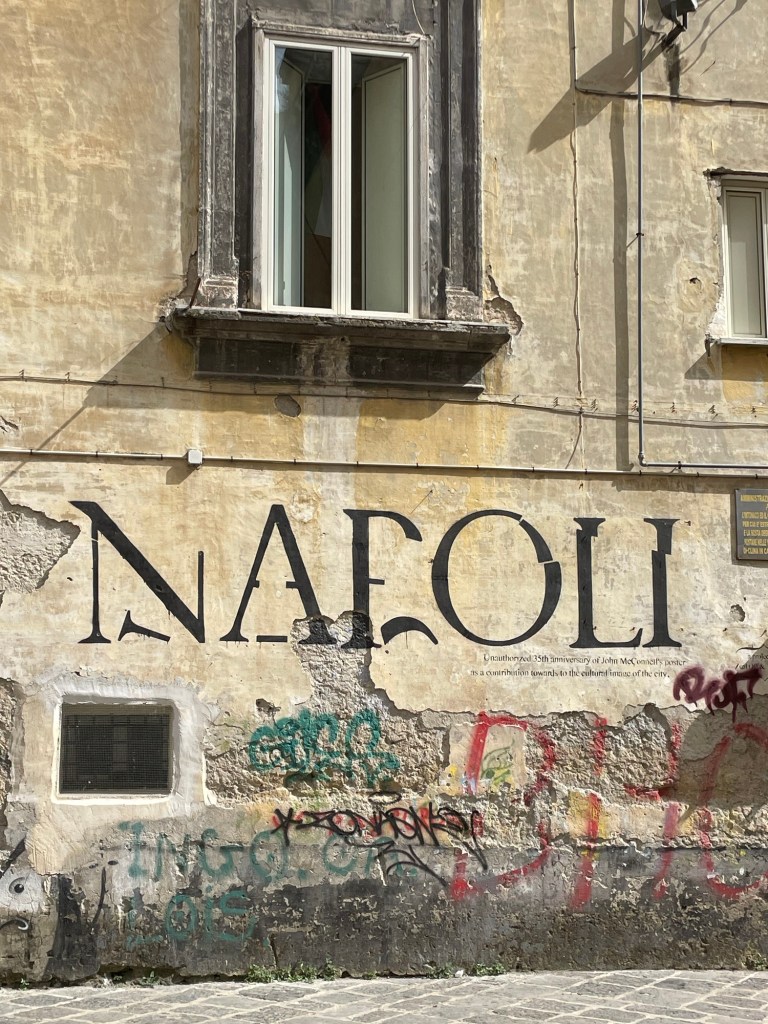
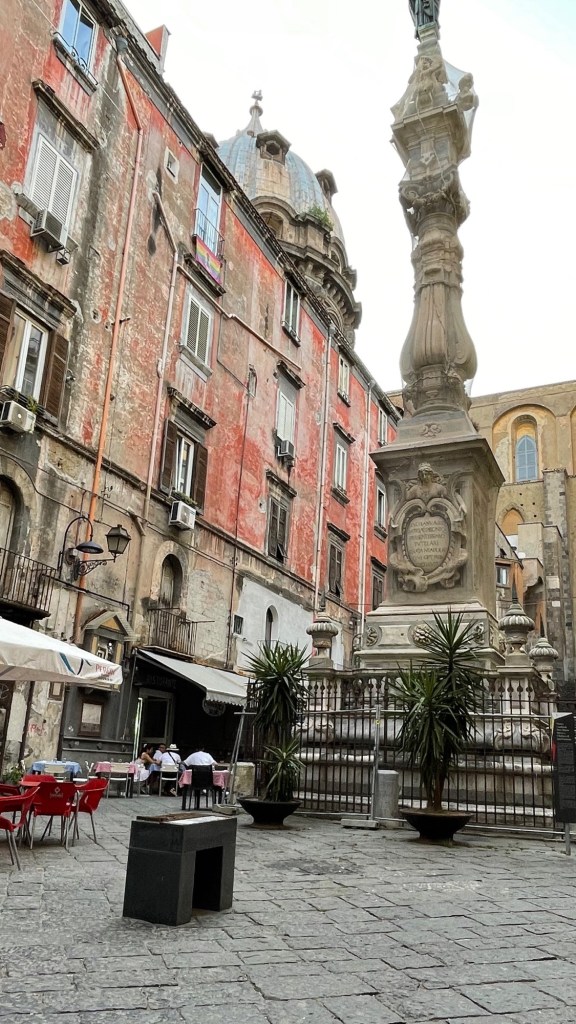
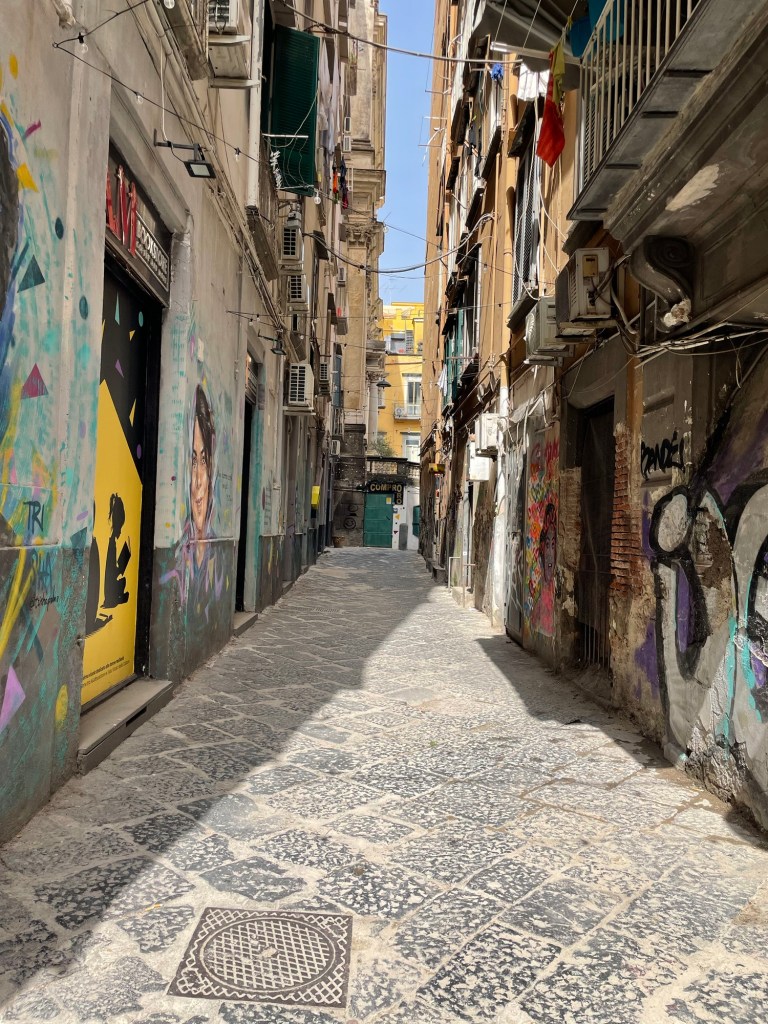
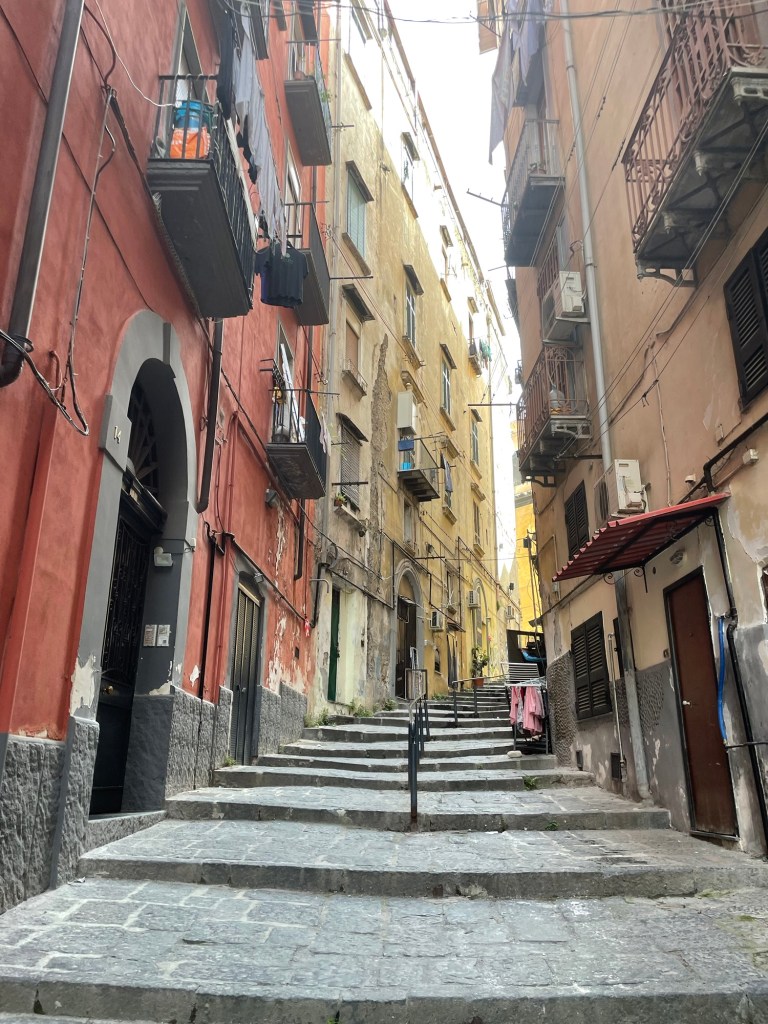
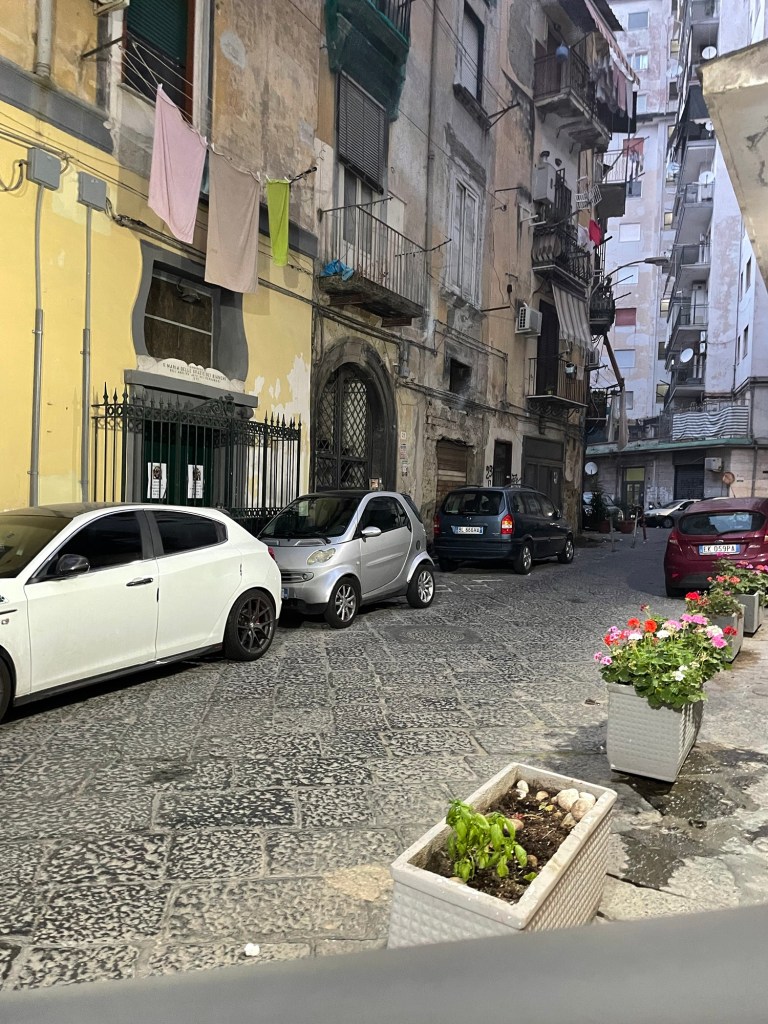
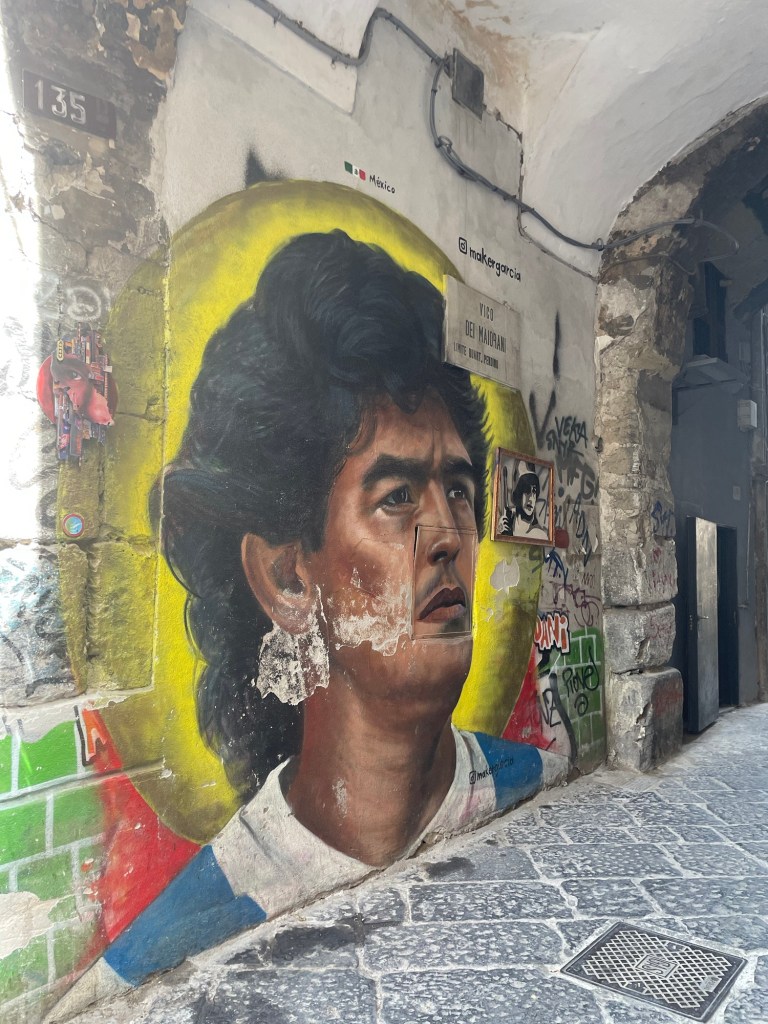
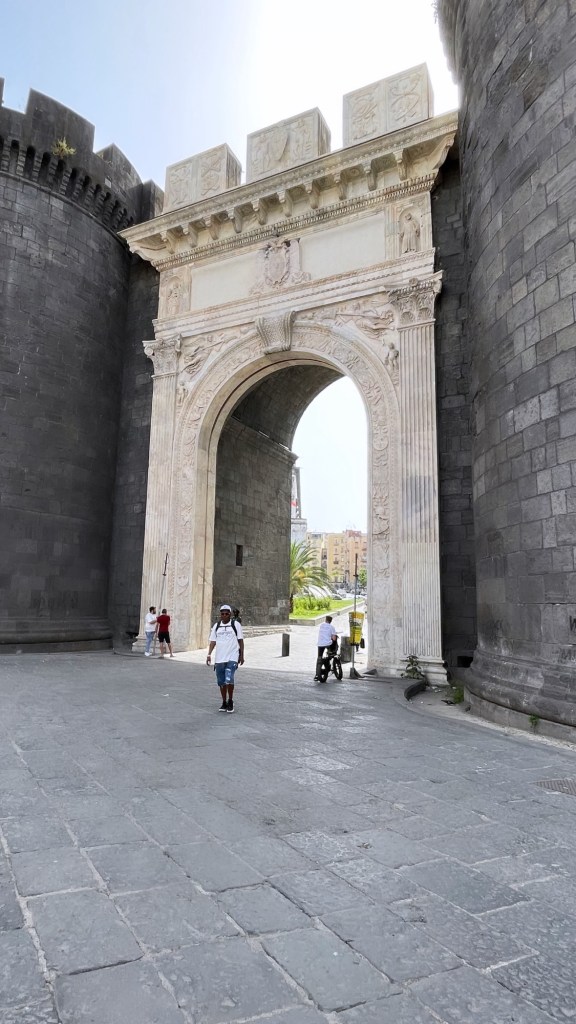
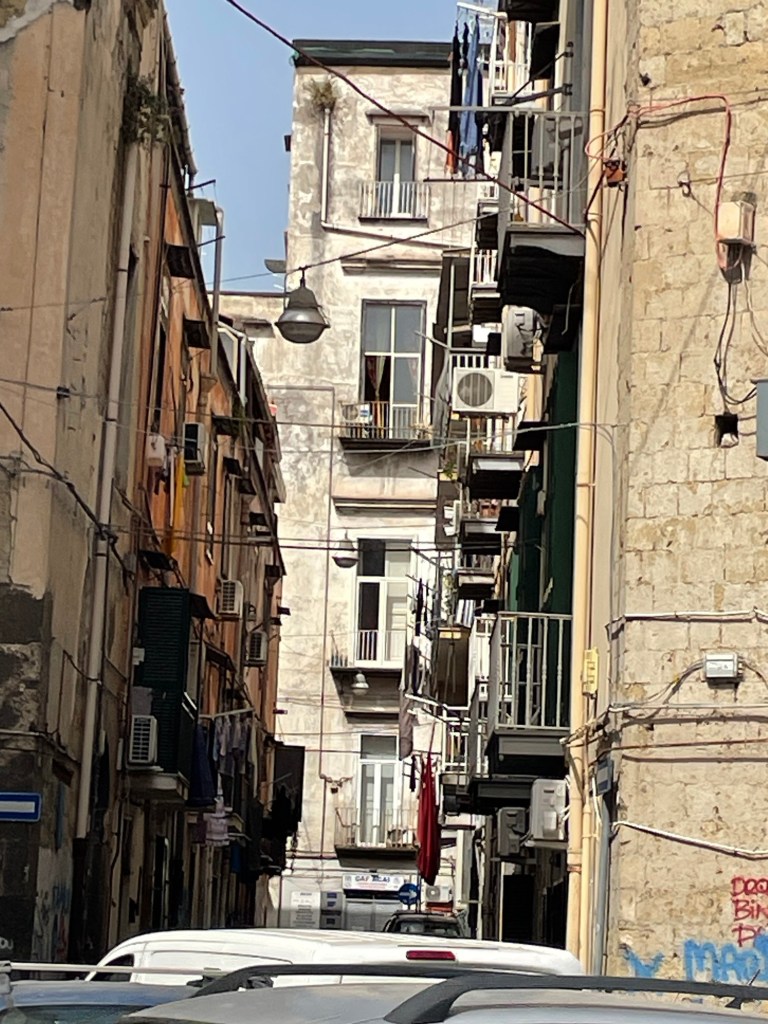
After exploring Rome’s historic streets, we kick off with a train to Naples for a two-night stay. The city left us with mixed feelings—initially experiencing it as poor, dirty, harsh, rough, and chaotic, then some shades of colours, unique, and authentic. It didn’t feel like a typical tourist spot. Despite the signs of neglect on the streets—trash and broken glass—the city’s raw energy and cultural richness made a lasting impression on us.
You might find raw vibes in East Berlin or East Helsinki to some extent, but Naples takes this to another level. It’s a city that has strong and divided opinions among visitors and residents alike; hardly anyone remains neutral when discussing it. While locals are known for their strong pride and identity, with the city’s unique characteristics, visitors often form opinions based on brief experiences and media reports about high unemployment, waste management issues, or safety concerns.
Debates can arise over whether Naples is the most beautiful or ugly, picturesque or neglected, historic or run-down, depending on the individual. For instance, during a taxi ride towards the vineyard, the driver said Naples to be the most beautiful city in Italy. Despite my brief experience of the city, I chose to remain silent so as not to offend the driver.
Unique the city is that’s for sure. One evening unexpectedly transformed into an epic street party, with lively crowds singing, bands playing, and everyone dancing in the streets. It was a vibrant display of energy and community spirit. Another memorable highlight was watching a EURO 24 game at a local bar, even though Italy’s exit from the tournament was disappointing. Nevertheless, the genuine passion for football among the locals was simple amazing.
One interesting fact is that Argentinian Diego Maradona is widely recognized as an hero in Naples of being a symbol of hope and pride. Maradona himself being raised in a poor part of Buenos Aires and having dealt with his own share of prejudice being a poor Argentinian, he could identify with the city of Naples. Good to give a context here – the city which is among one of the most poorest in Europe. Maradona’s upbringing in a struggling neighbourhood of Buenos Aires allowed him to empathize with the Neapolitans with economic hardship and societal prejudice, fostering a deep mutual understanding and respect.
Mixed Feelings: Our hotel stay with high expectations
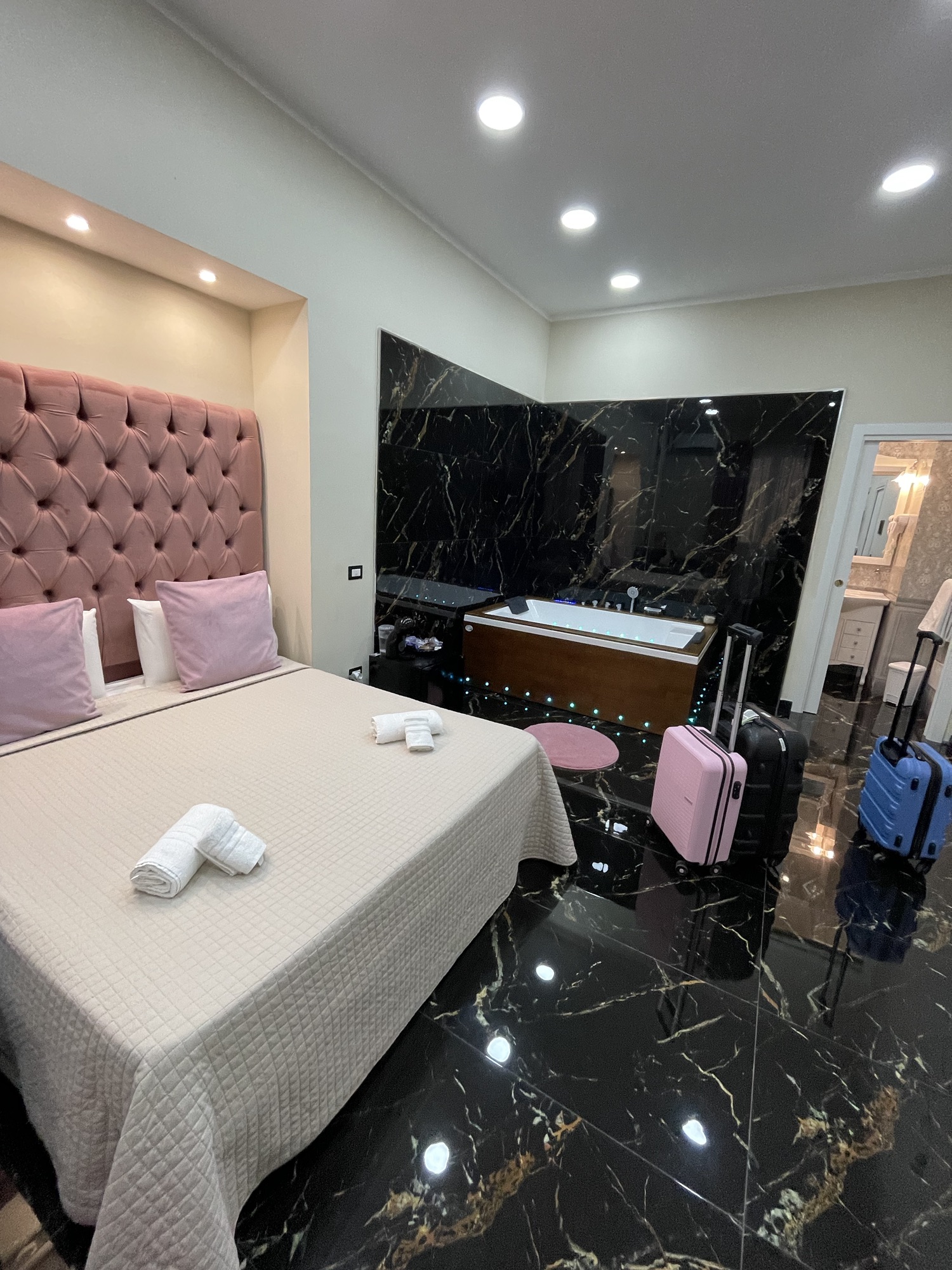
Everything looked perfect on paper: only 15 minutes from the rail station, a beautiful room with a jacuzzi, and breakfast included. Reality didn’t quite live up to expectations. Just to clarify, we’re not typically ones to splurge on hotels; in-room jacuzzi or anything overly luxurious isn’t really our thing. Despite the earlier description, this time was no different. Surprisingly, the pricing at the MyLuxury was quite moderate, maybe too moderate when we looked at things more closely.
The views from the room might offer some explanation. During the night, you can hear people talking, shouting, and scooters driving by—giving off very street-like vibes. But that’s what you might expect from a lively city like Naples.
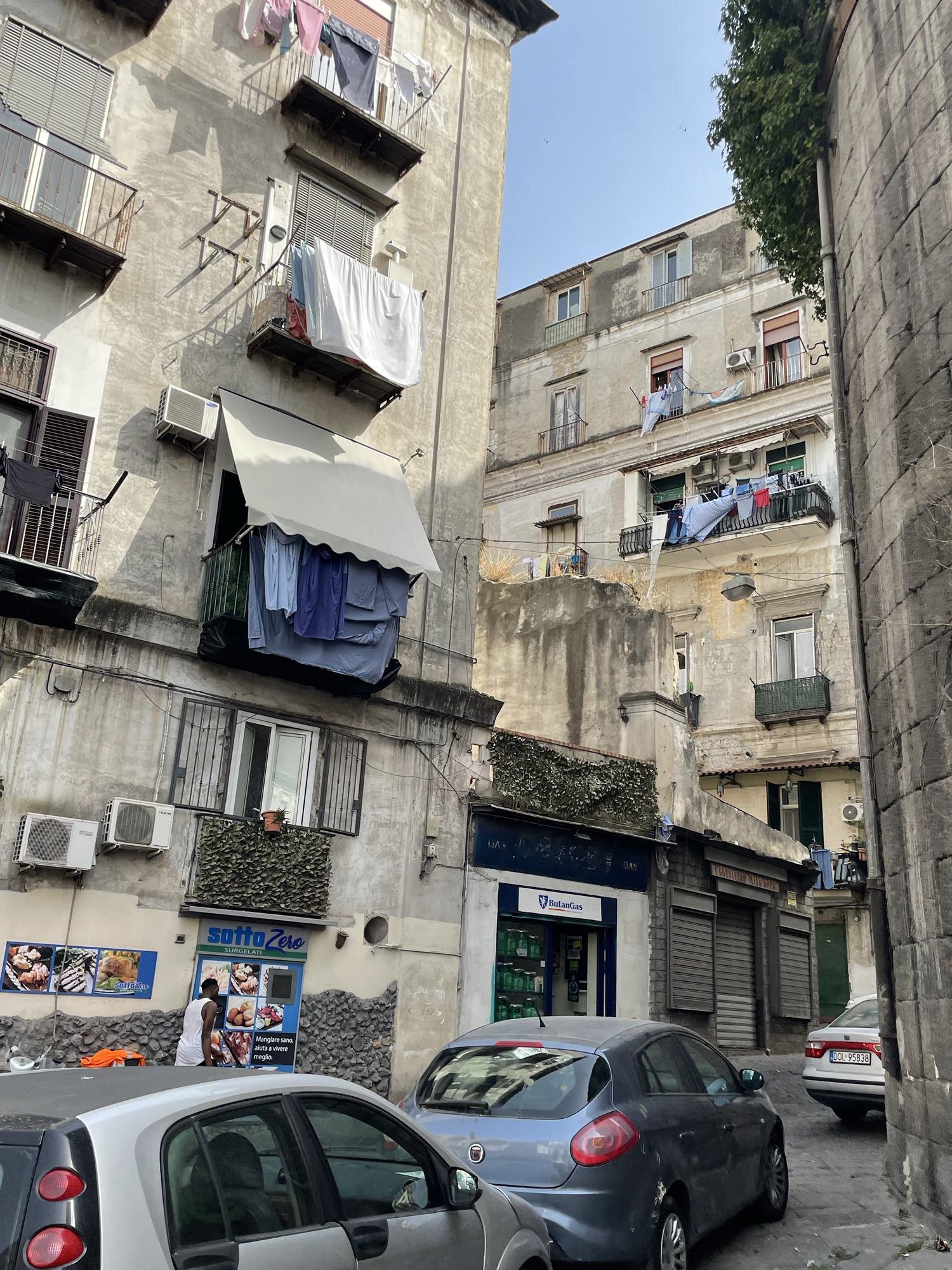
The walk from the railway station revealed the roughest side of Naples we had seen, and arriving at the hotel and seeing the street didn’t add to the pleasure. It was a different experience from what we expected. Additionally, the clerk at the hotel didn’t speak English, so communication had to be done through some app. I am usually quite detailed when choosing a hotel, so it was surprising that the hotel charged an extra 50 EUR for the pool, although nothing was mentioned in the reservation beforehand. I didn’t want to argue over this, especially considering the customer service didn’t feel like four stars. I paid the fee but wondered if I should report this to hotels.com to make them aware of this somewhat deceptive practice.
The “breakfast” was also interesting – we were given a business card to a nearby cafe where we each received one croissant and coffee. I wouldn’t call it breakfast.
I’m a breakfast/brunch person and take hotel breakfasts very seriously. If the coffee isn’t strong enough for my taste, it’s the worst. If croissants or bacon are too soft, it’s disappointing. I can cope with a mediocre dinner, but never with a poor breakfast as it kills the vibes.
Despite these issues, the location was convenient for quick access to the railway station (as I mentioned the taxi/public transport issues), and the room was clean, beautiful, and equipped with air conditioning.
Castel Gandolfo – a hidden gem less than 30km from Rome
Lake Albano, situated in the Alban Hills southeast of Rome, is a volcanic crater lake 293 meters above sea level. Being 5 square kilometers wide and 170 meters depth, it’s a deepest of the Italian volcanic lakes. Thousands of years before Rome was founded, the Albano volcano erupted, spreading vast rivers of lava that eventually solidified. Over the centuries, these volcanic deposits provided the Romans with construction materials like tuff, volcanic rocks, and basalt. Basalt, in particular, a volcanic stone, was famously used in the construction of Roman roads.
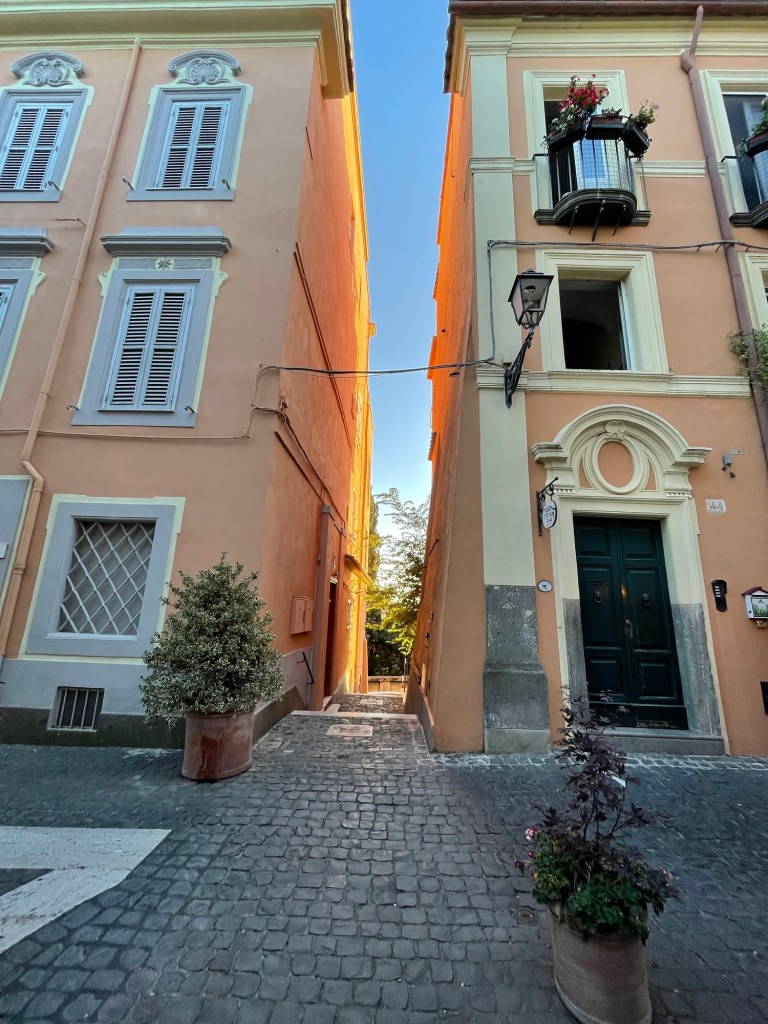
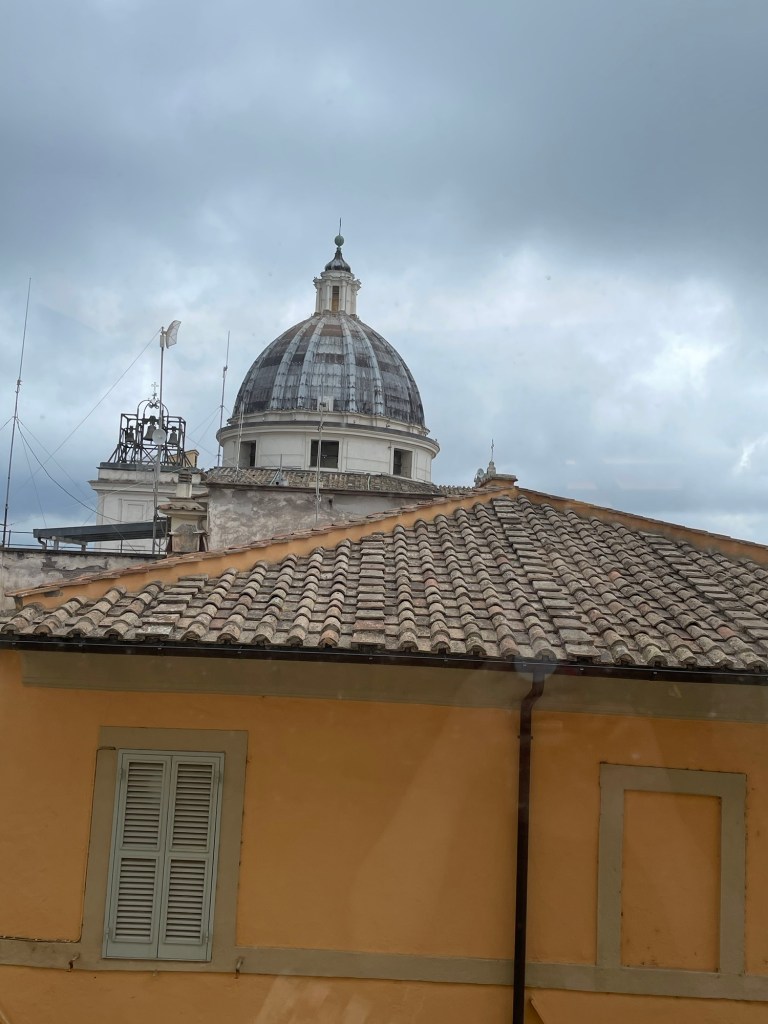
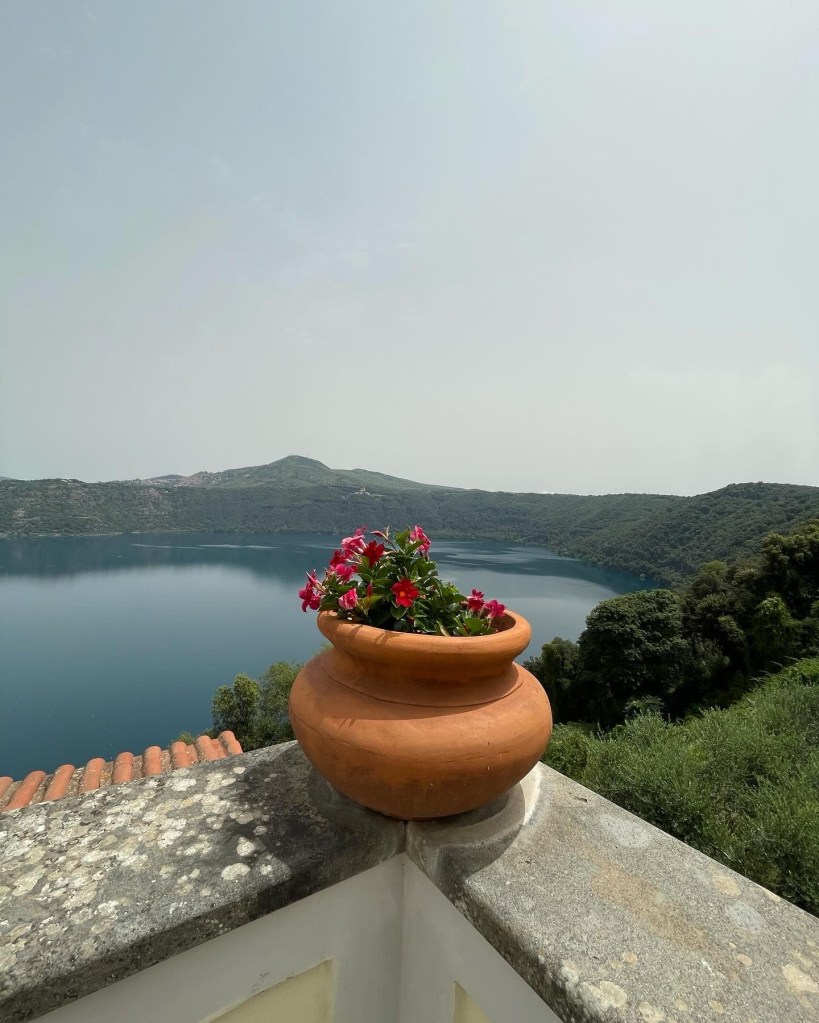
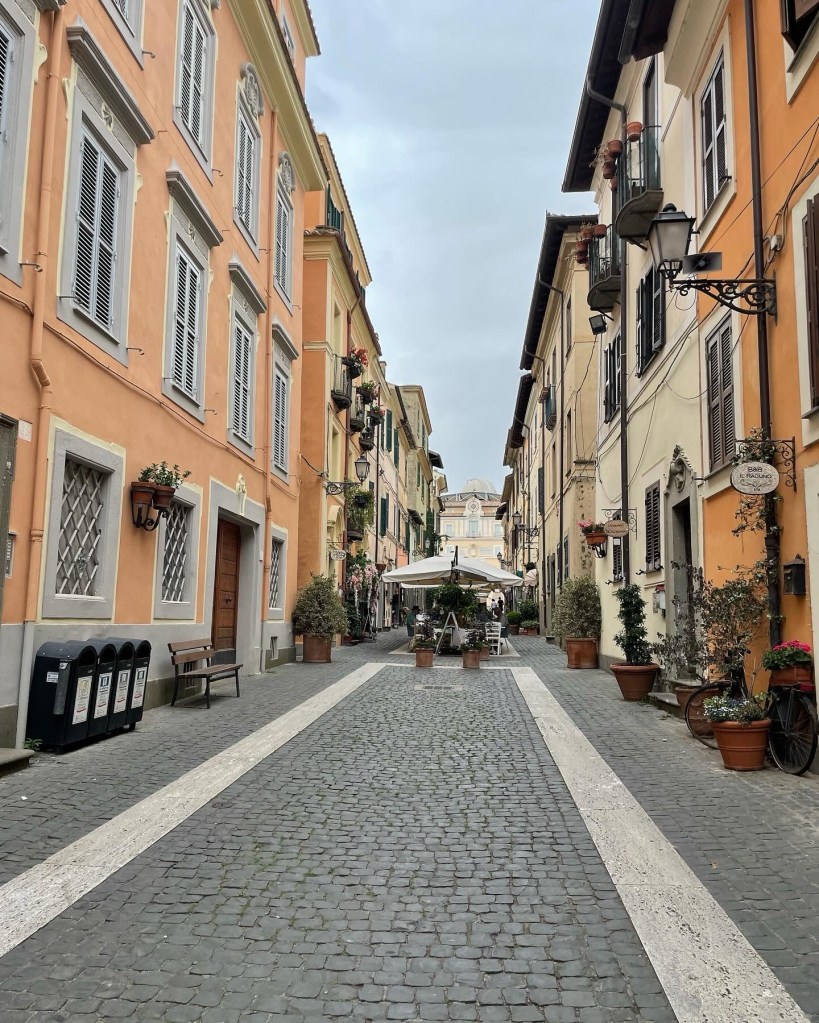
From Naples, we boarded a train to our final destination: Lake Albano, which we fell in love with, especially a charming town of Castel Gandolfo. The picturesque town offers stunning views of Lake Albano and the surrounding countryside, making it a popular destination for visitors seeking a peaceful retreat from the hustle and bustle of Rome. I highly recommend anyone visiting Rome to take few days to visit this place.
The only thing I must warn about is the limited public transport options and difficulty in getting taxis. However, despite that, you’ll find Castel Gandolfo to be a genuine place that, at least in our experience, was not crowded with tourists.
Hotel near perfection
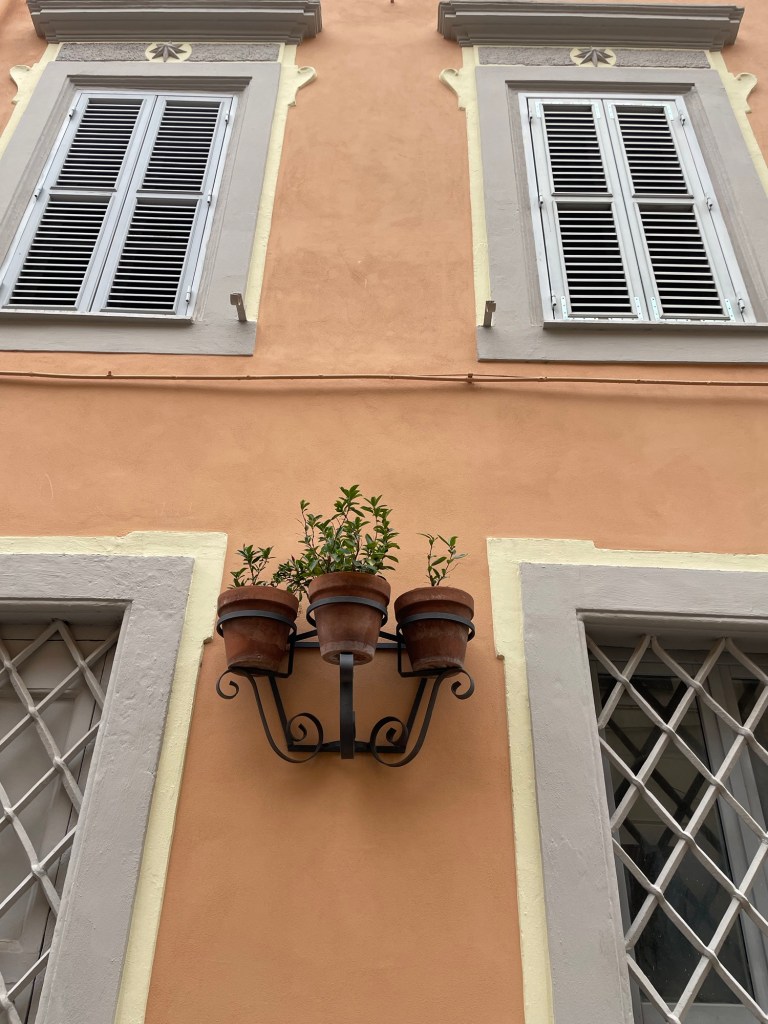
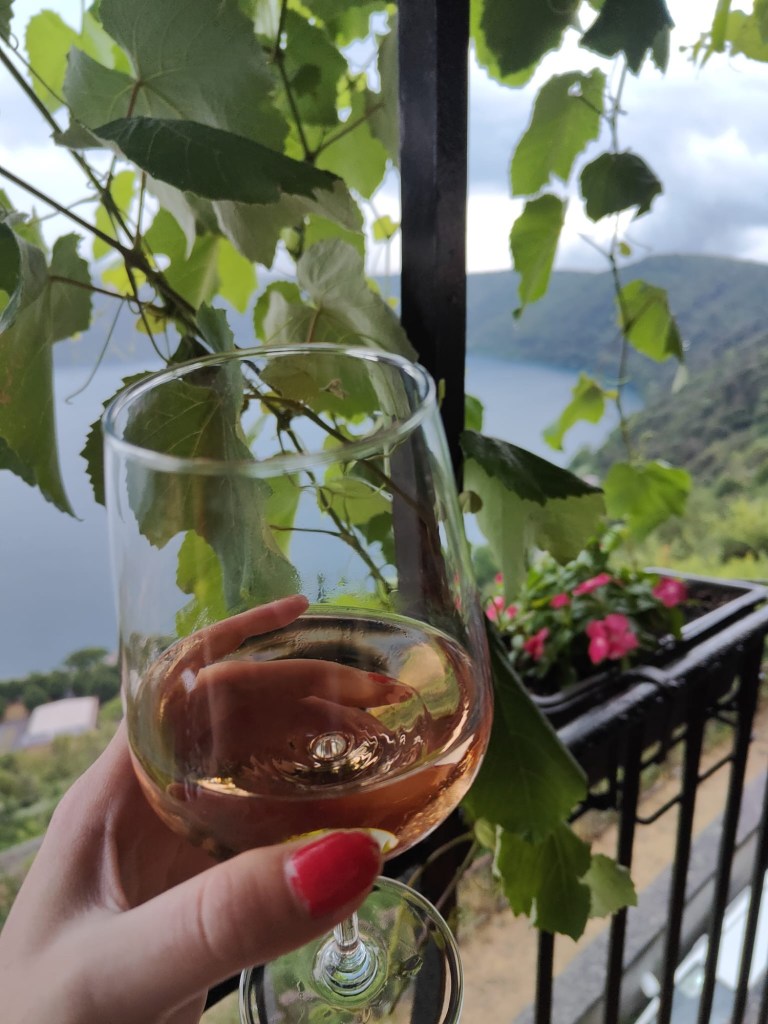
Hotel Castel Vecchio Castel Gandolfo turned out to offer excellent value for money, despite being the priciest of the three hotels we considered. It still fit well within our budget (less than 150 EUR per night). I would rank it among the top 5 hotels I’ve ever visited, primarily due to its very central location, stunning terrace, access to a pool, and exceptionally friendly staff.
Before explaining bit further of the importance of self-care during vacations abroad later in this post, I want to highlight two thoughtful gestures by the hotel staff: firstly, they expressed concern about my well-being after my hospital visit, showing genuine care. Secondly, when the taxi they arranged arrived five minutes early, they kindly offered us a complimentary coffee. Such gestures are greatly appreciated, especially in the early morning hours.
I’m not a morning person, especially before I’ve had my damn strong cup of coffee. I strongly advise against speaking to me during this time.
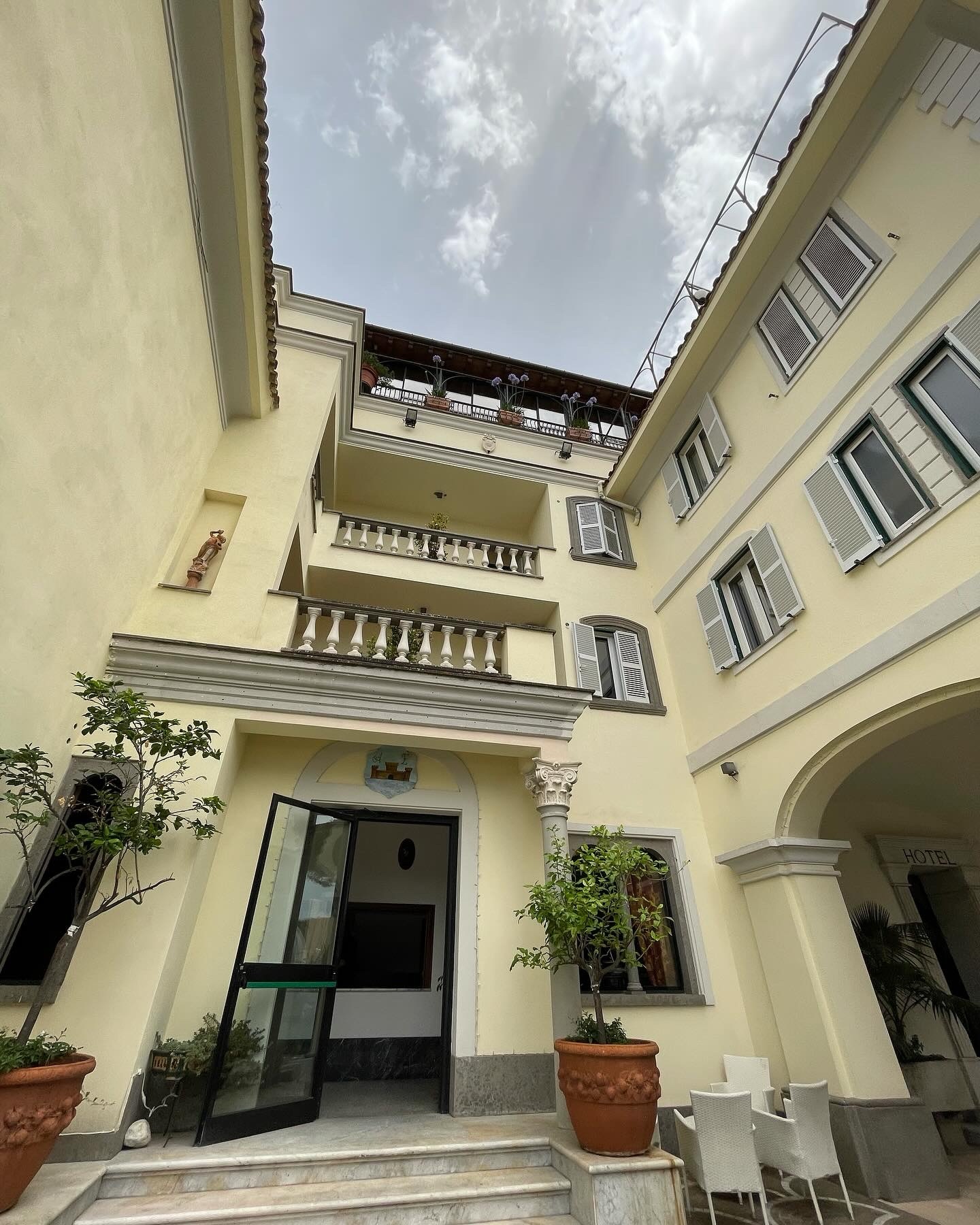
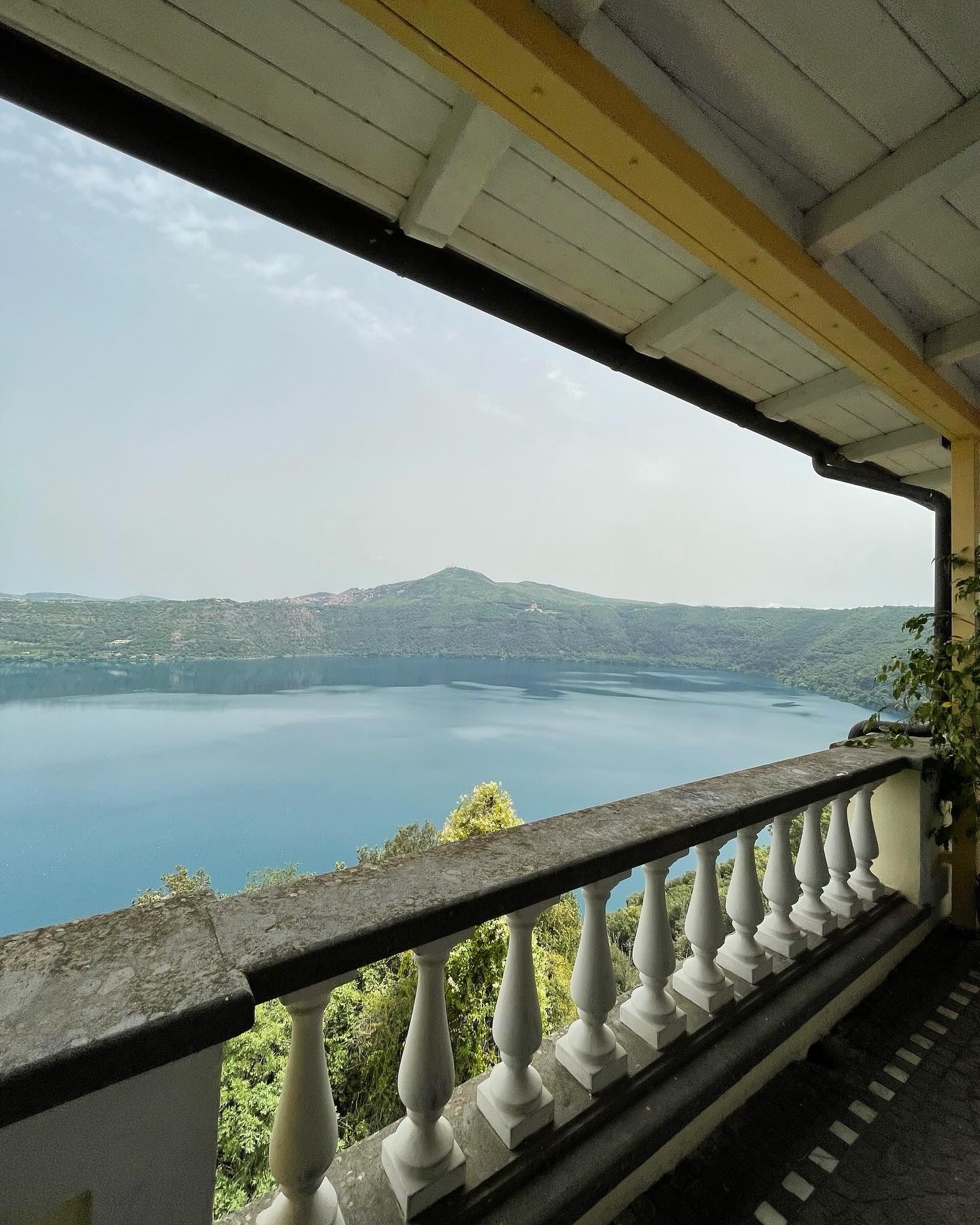
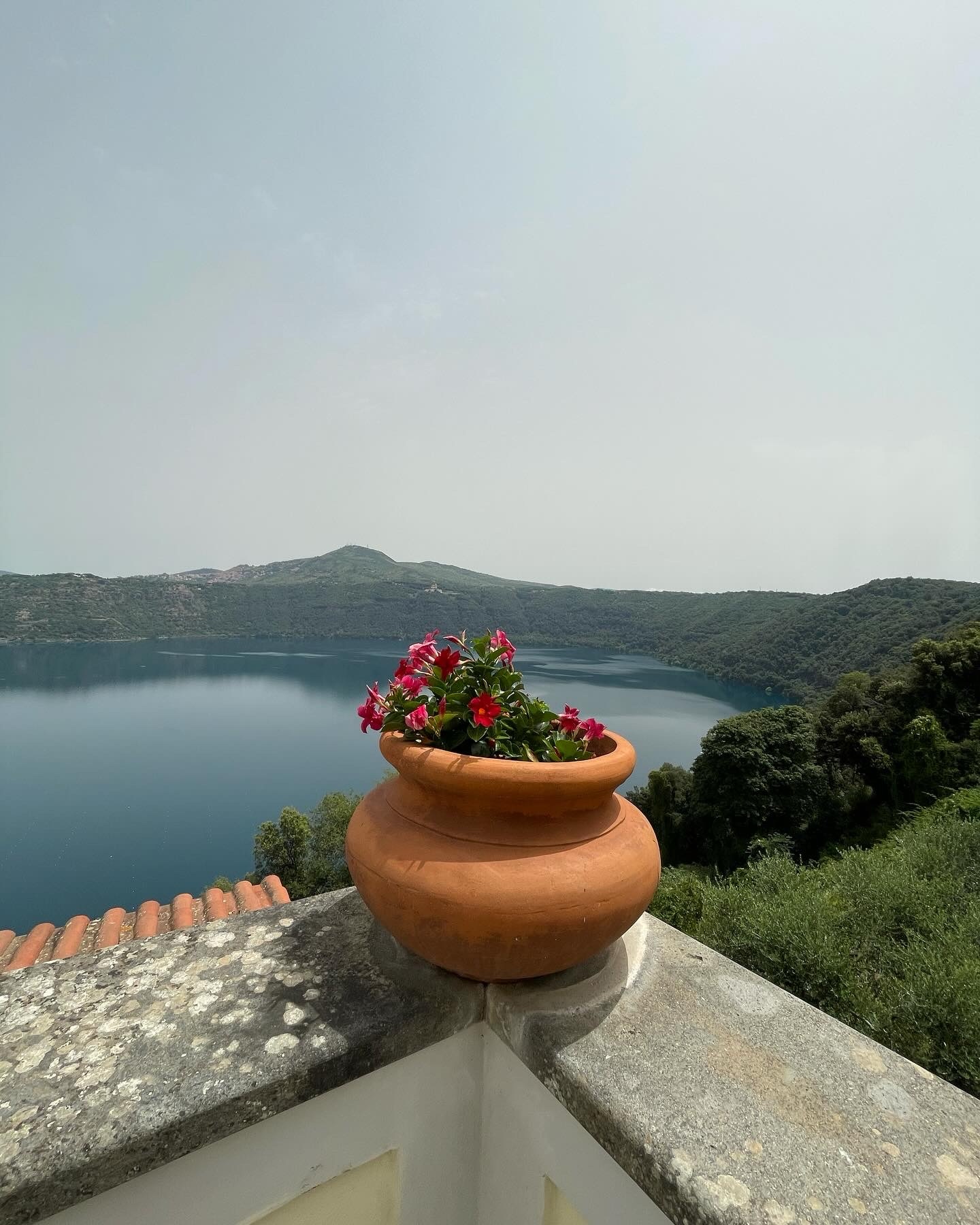
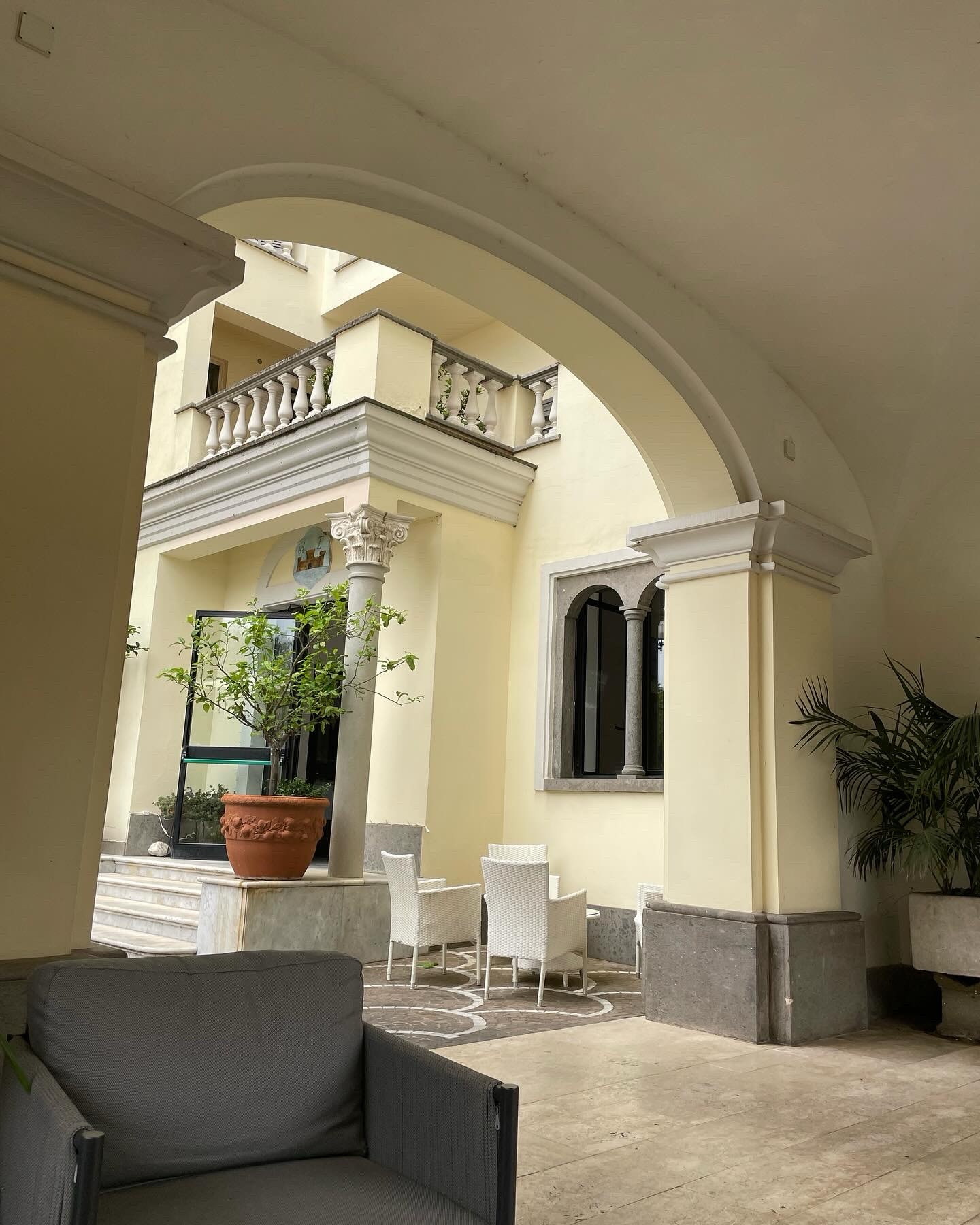
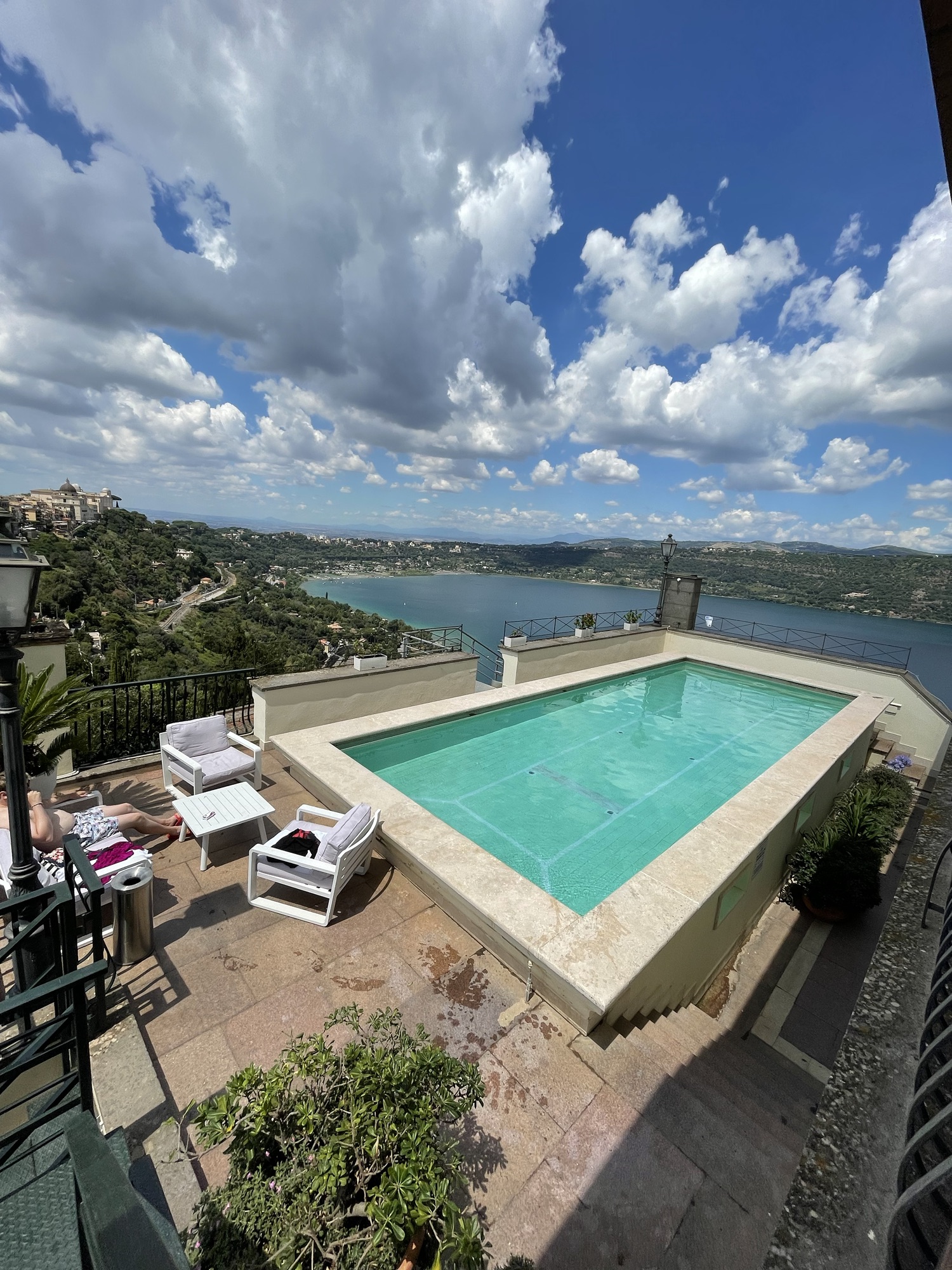
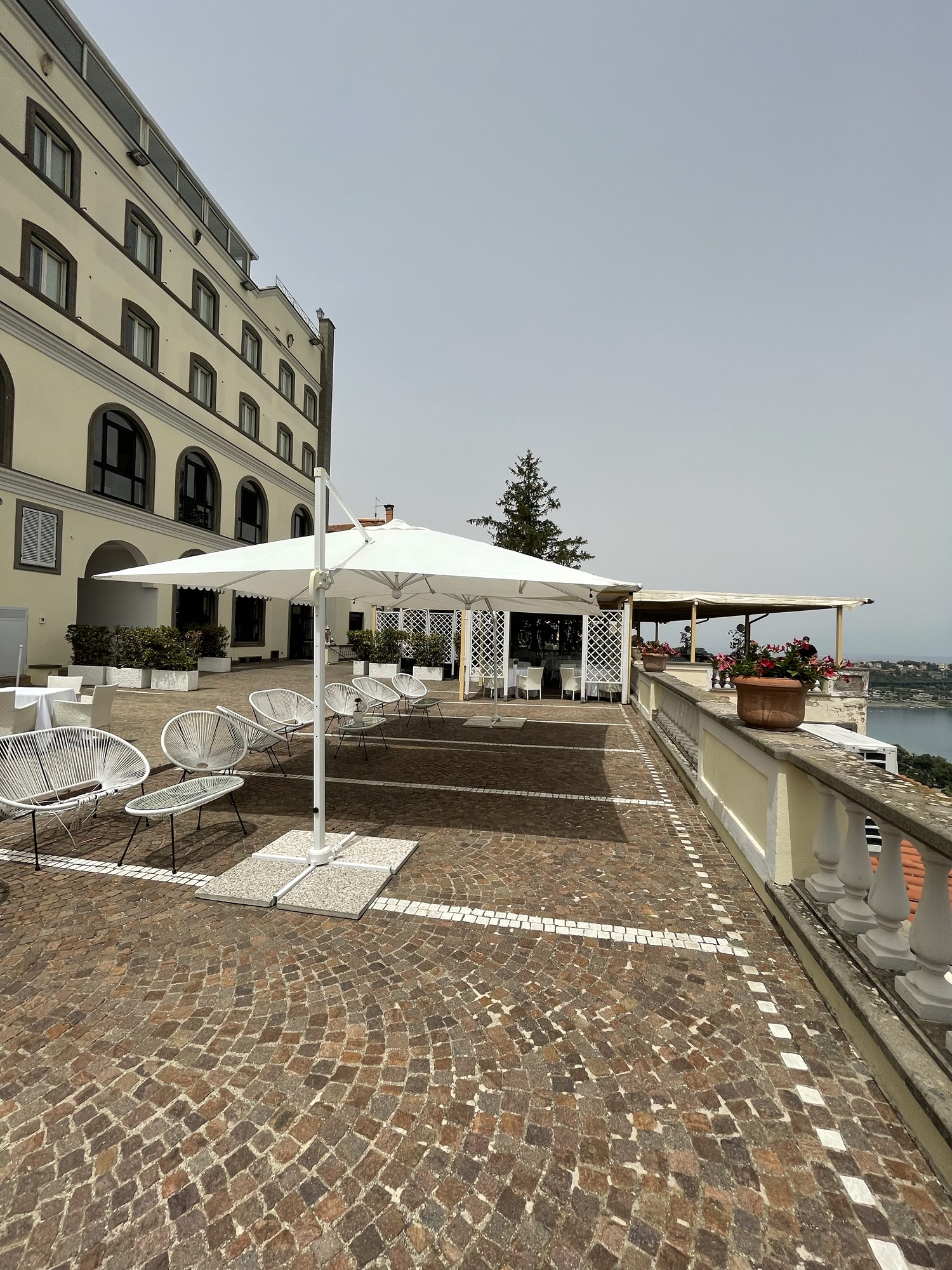

The only reason I didn’t give the hotel five stars was the breakfast. While it was mostly great, with a diverse selection of coffees, I personally prefer a more continental breakfast—crispy bacon, good cheese selection, an array of local breads, and a variety of juices. However, this is purely a matter of preference and not a significant complaint.
Recommendations
Explore beyond the obvious with lesser-known towns and villages
While the major cities like Rome are among the must-visit destinations, don’t hesitate to explore little further. These places offer a quieter, more authentic Italian experience away from the crowds. If we only would have been in Rome and Naples the Italy experience could be so much less.
For an authentic Italian culinary experience, skip the touristy restaurants and opt for classic dishes like pasta, pizza, supplì, and gelato. Supplì, a Roman street food favorite, are fried rice balls filled with ragù (meat sauce), tomato sauce, and mozzarella.
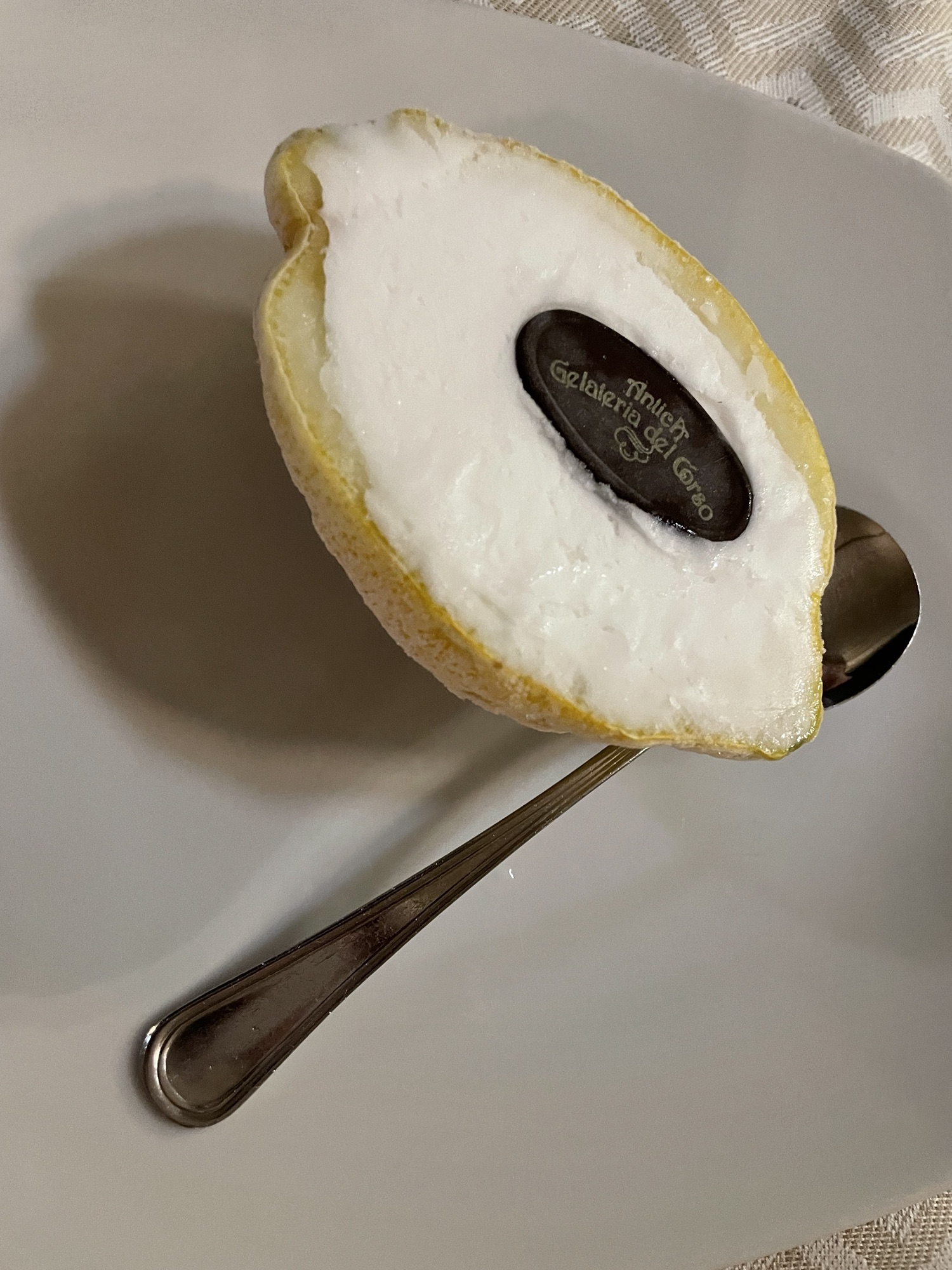
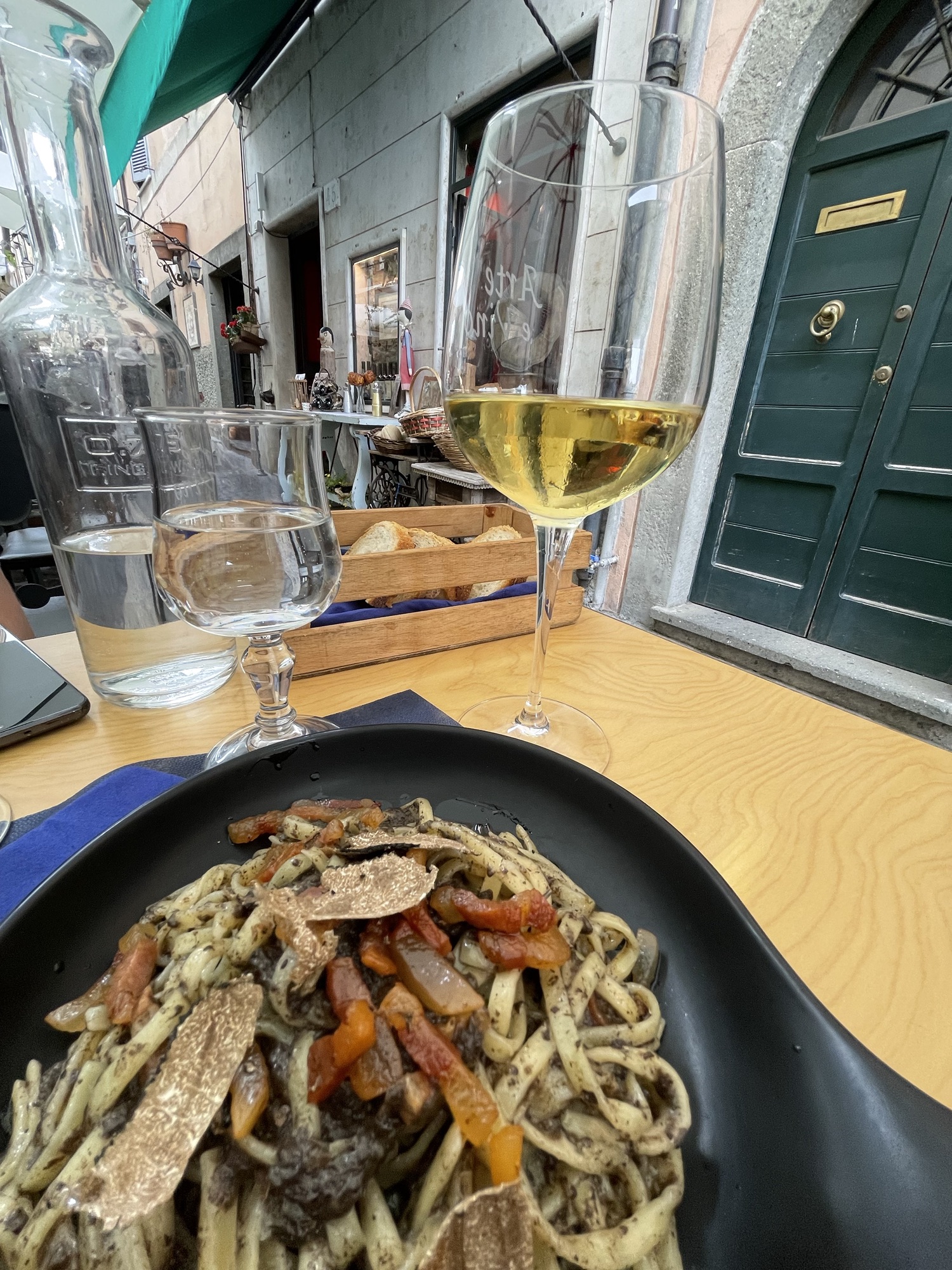
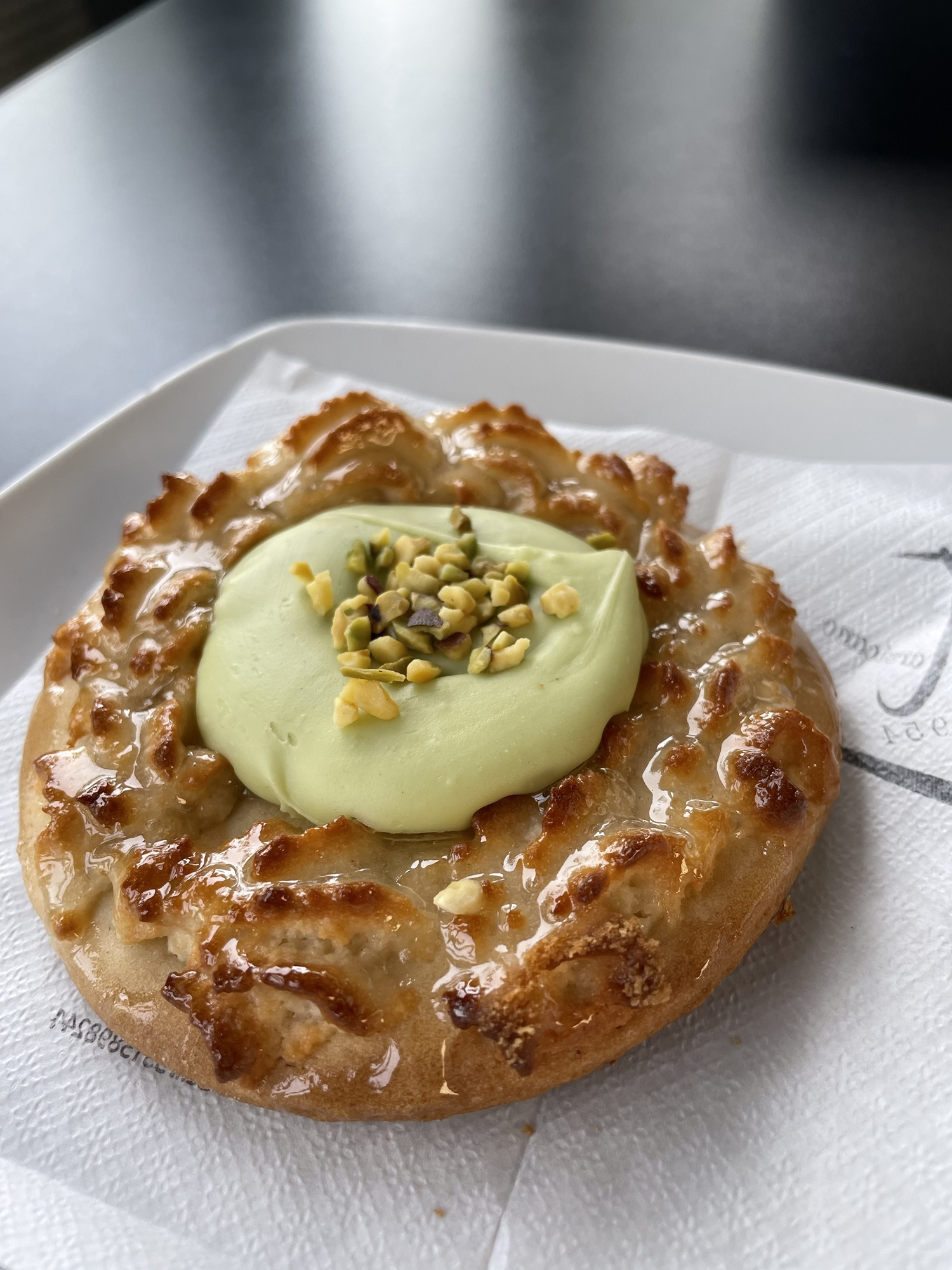
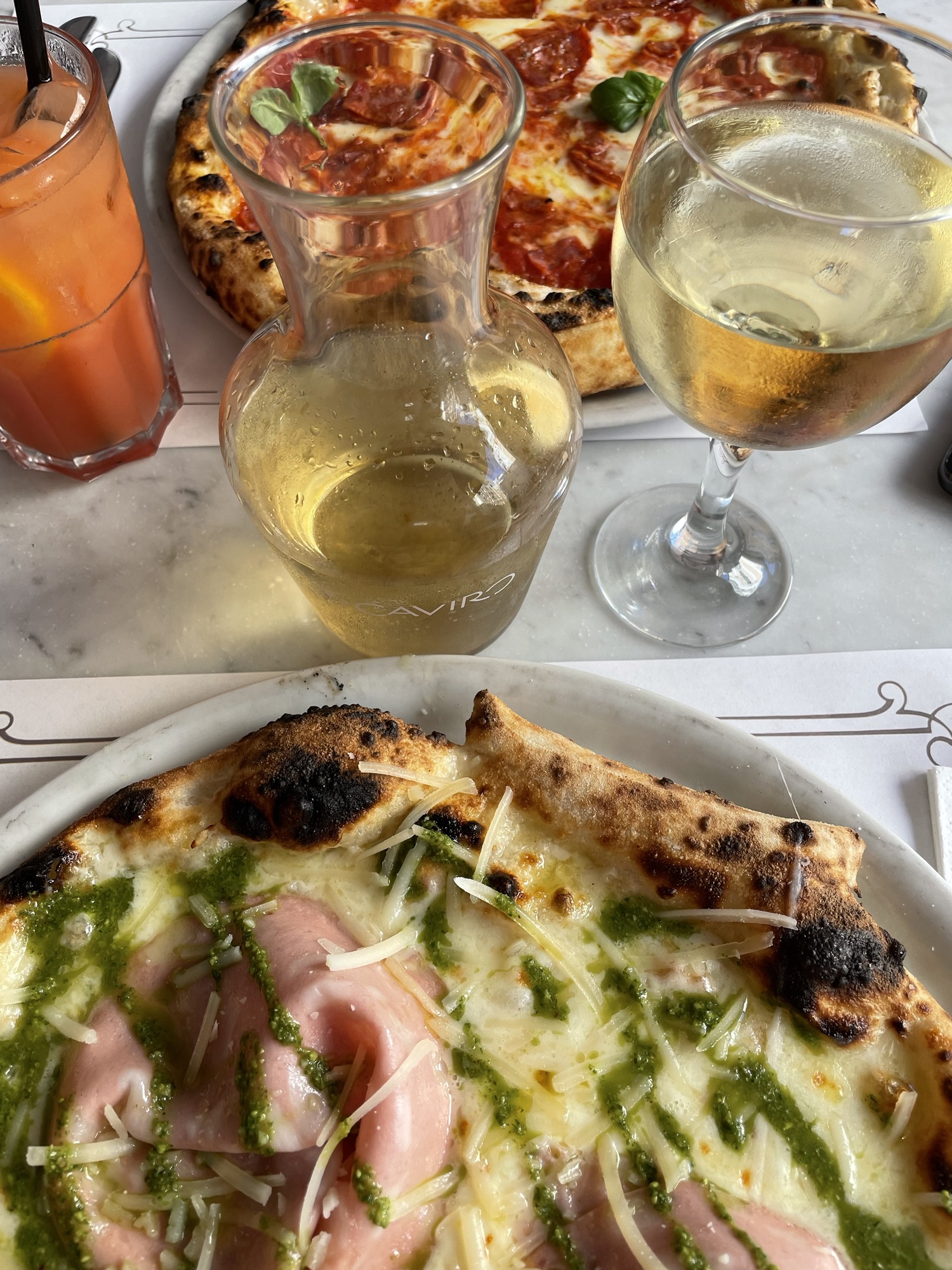


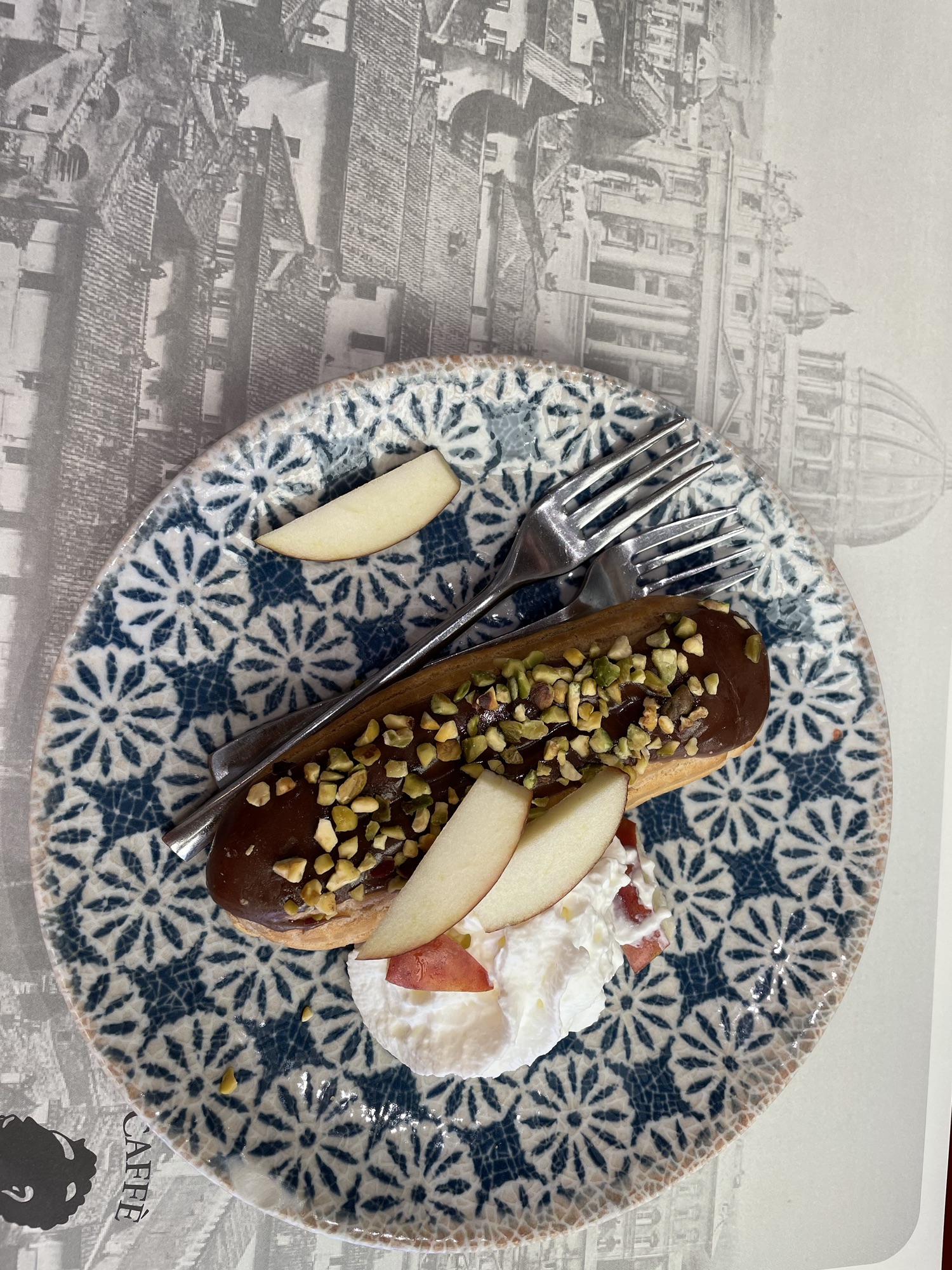
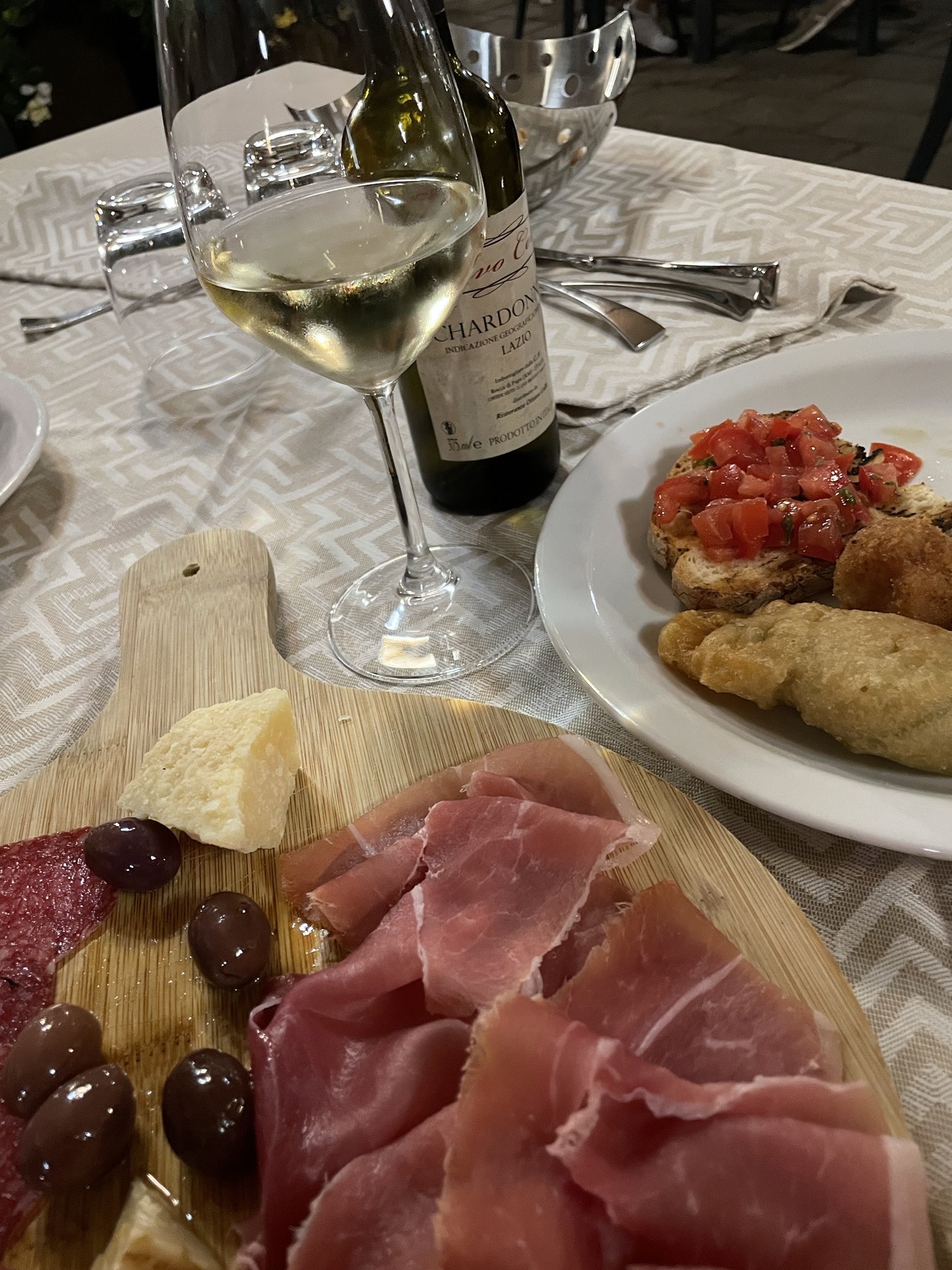
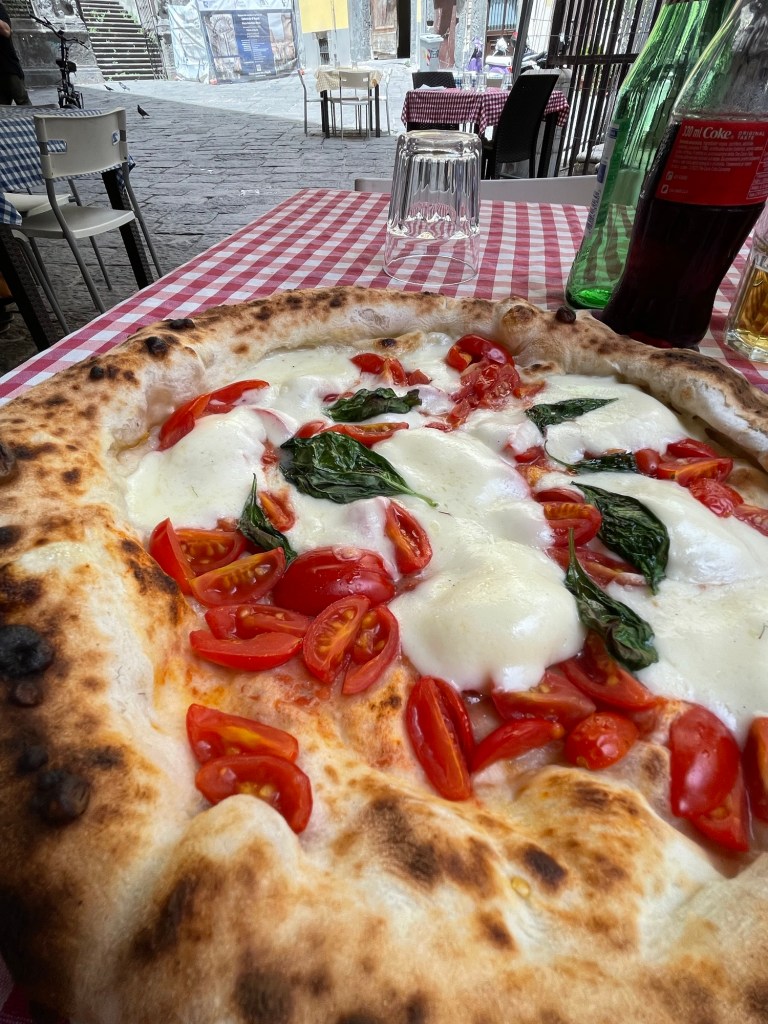
In Naples, indulge in the renowned pizza Napolitano known for its thin crust, chewy texture, and simple toppings. And wherever you go in Italy, savour the exceptional coffee—but remember, avoid cappuccinos after lunch for a more traditional experience. And yeah, I did order an extra portion of Parmigiano cheese over truffle pasta—turns out, that wasn’t the way to go. Oops!
In a touristy city like this, it’s worth understanding a bit about gelato. Keep in mind that in gelaterie, the larger and more colourful displays usually cater to tourists. When dining out, authenticity often comes with simplicity. Some of the most memorable meals can be discovered in humble, cozy eateries rather than in flashy restaurants.
Embrace the Italian pace
Taking time to relax is important when you travel because it helps you enjoy the trip more fully. It’s impossible to see everything at once, so slowing down allows you to really experience the local culture, history, and atmosphere. This approach makes your travel experience richer and more memorable, letting you enjoy the journey without feeling stressed about seeing everything quickly. After visiting more than 20 countries, I think I’ve finally learned this lesson. Unlike many bustling metropolises where everything moves quickly, Italian cities embrace a more relaxed rhythm. Locals often prioritize enjoying meals with family and friends, taking leisurely strolls through historic streets, and appreciating the pleasures of life.
If you believe you can casually visit major tourist attractions without booking skip-the-line tickets, think again. If you still insist on doing so, make sure you have enough time to spare.
Experience the wines with locals
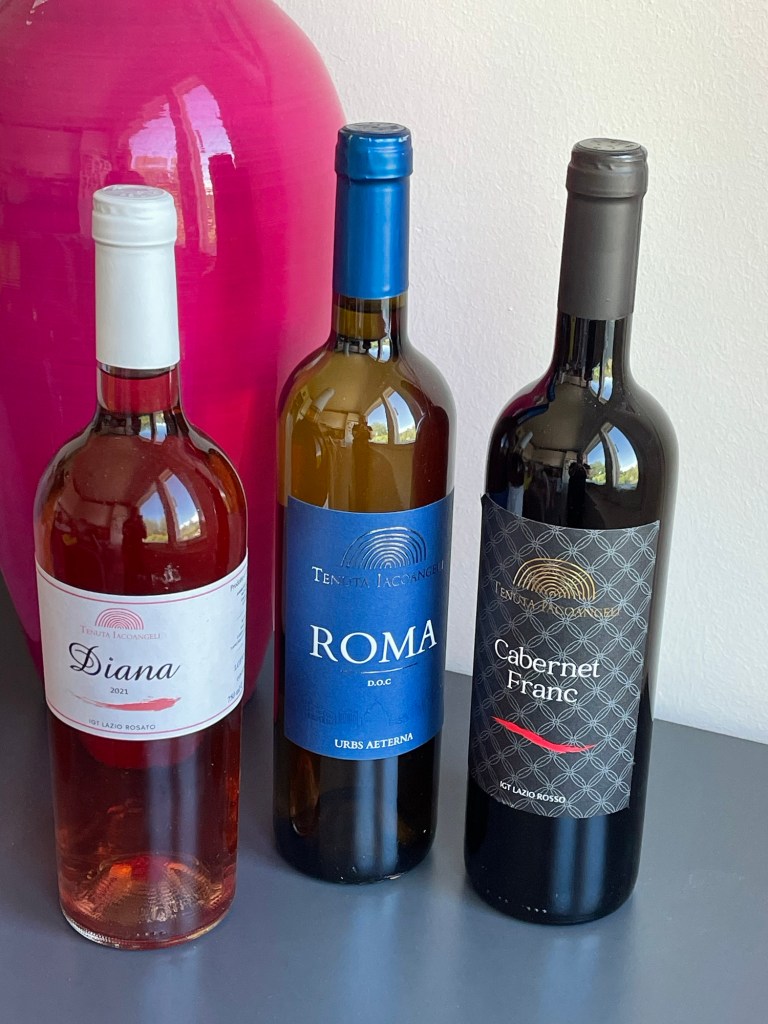
Me and my fiancé lucky to came across a family-operated winery, Tenuta Iocoangeli, close by the Castel Gandolfo in Genzano di Roma. The area is known for its volcanic soils and ideal climate for vine cultivation. The winery specializes in crafting a range of wines such as Roma DOC Bianco, Cabernet Franc, and Diana, a rosé made from Petit Verdot grapes. We sampled white, rosé, and red wines and ended up purchasing all three bottles.
Wine preference for me has been a medium dry Riesling for a while, but I must admit that tasting in this great atmosphere and being introduced by the winery has inspired me towards Italian wines. In particular, the rosé in this particular winery made a significant impression due to its vibrant acidity, which perfectly complemented the warm Mediterranean climate.
But don’t just take my word for it. In 2020, Tenuta Iacoangeli successfully completed its first vinification. By 2023, their inaugural vintage garnered them the Silver Medal at the Città del Vino Wine Competition for their Cabernet Franc 2020, their flagship red wine.
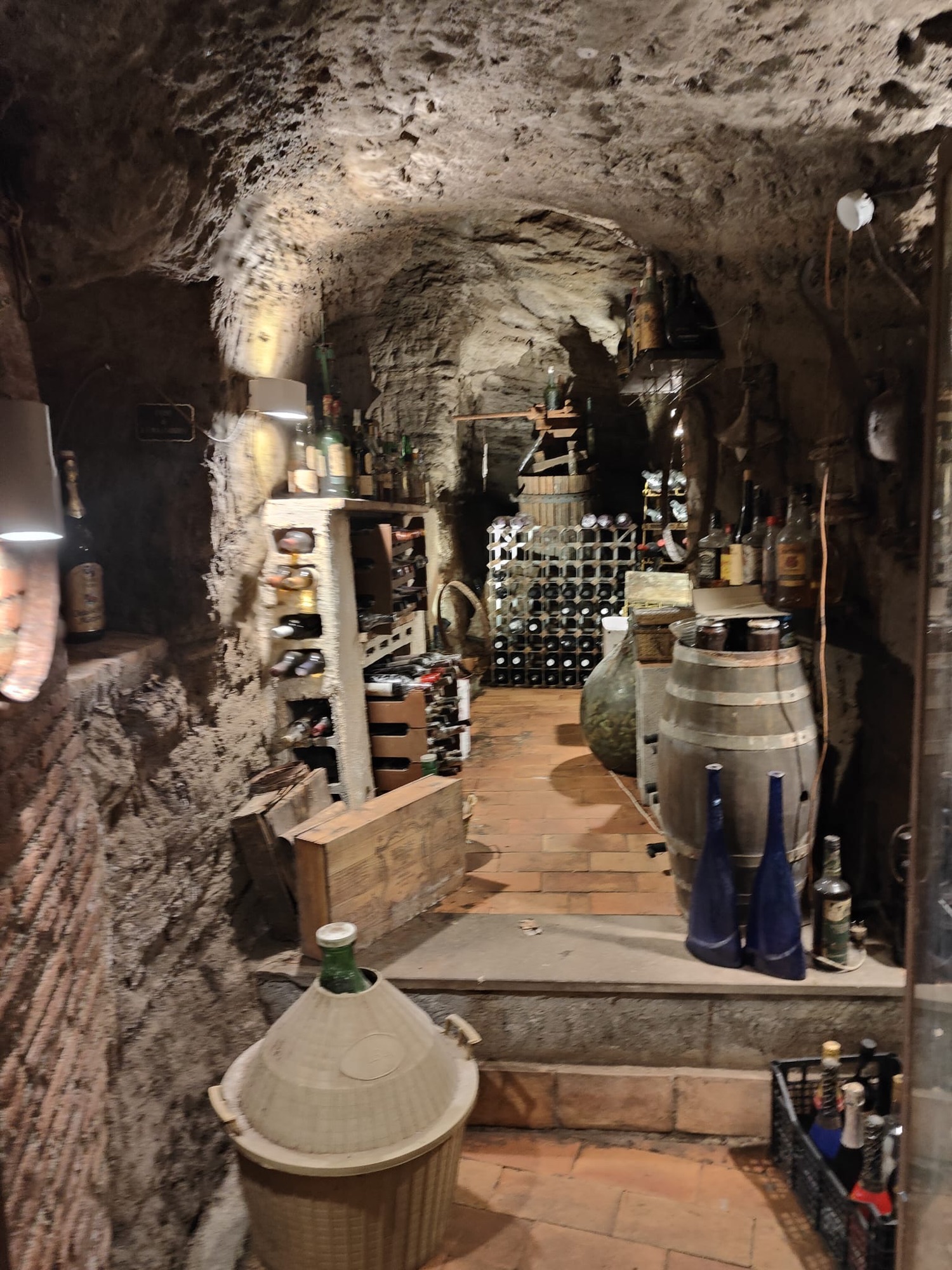
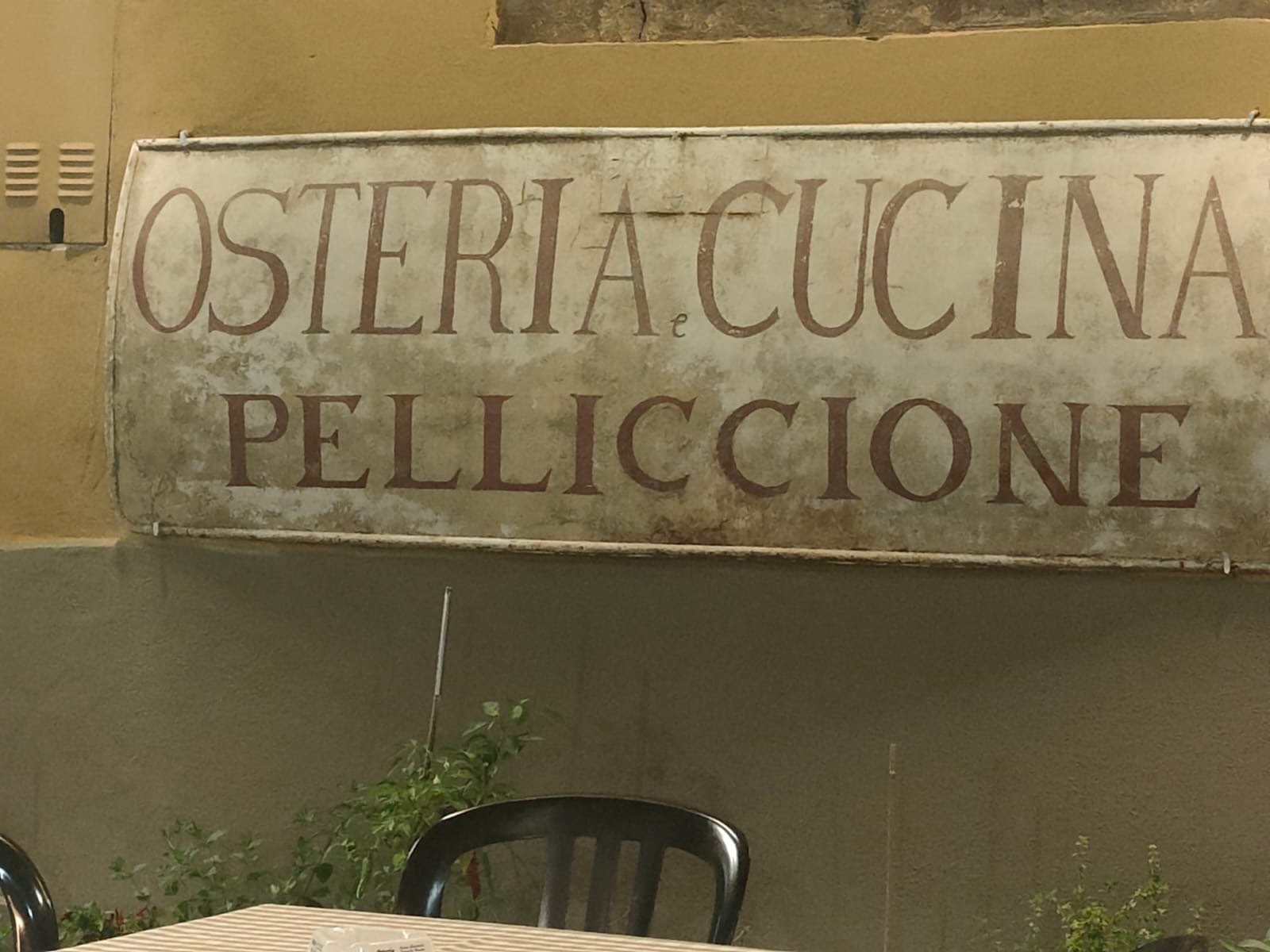
After visiting the winery, we headed to Osteria Pelliccione for a lovely dinner featuring local antipasto. We were pleasantly surprised when the restaurateur gave us a tour of the wine cellar and even arranged a taxi for us, ensuring a hassle-free experience. Italian hospitality truly left a lasting impression on us.
Respect local customs
The older I get, the more I appreciate this. No matter where you travel, it’s always essential to respect local customs and culture—no surprises there! But hey, it’s worth mentioning because tourists often find themselves in places where beachwear isn’t respectful.
When I visited Split, Croatia a few years ago, I recall seeing a sign warning against climbing Mosor mountain in flip flops. Later, I learned that occasional rescue operations were required because some tourists ignored this advice. As someone who loves traveling, these incidents often come to mind, reminding me of the importance of respecting local customs and behaviors. It truly bothers me when tourists disregard these guidelines, knowing it can have a negative impact on the local community.
Based on our experiences, English may not be widely spoken outside of Rome, especially among the older generation. In Rome, even using the Free Now app instead of Uber (which is a recommendation as prices are reaching the sky) , we still found it challenging to get a taxi, and didn’t much of find taxi stands despite the ones near to railways stations. If you have an important place to be, like the airport, I’d recommend to inquire at your hotel reception the day before. Our taxi actually arrived 5 minutes earlier than expected, which was a pleasant surprise since we had allotted an extra hour for any unexpected delays.
Cultural differences are notable. In Italy, bars often transform into cafes that serve alcohol in the evenings, rather than focusing solely on drinks as in other countries. This was a learning experience for us. Initially, we were puzzled by restaurants near tourist spots insisting that we order food instead of allowing us to enjoy just a drink or two. After having lunch elsewhere, we had to specifically request to order mojitos, wines, or whatever we wanted.
Italians have distinct preferences in food, attire, and coffee culture. For breakfast, they often indulge in sweet pastries like cornetti, which are croissants filled with cream or jam, unlike the continental breakfast found elsewhere.
In terms of attire, Italians generally dress more formally, especially in traditional or formal settings, and adults tend to avoid wearing shorts in urban areas or upscale dining venues.
Coffee is integral to Italian daily life, with a preference for traditional espresso or variations such as macchiato and cappuccino. Italians typically enjoy their coffee standing at the bar counter, especially in the morning, as a quick and social ritual rather than a leisurely sit-down experience. It’s important to note that ordering “latte” will get you a glass of milk, not a café latte, unless specified.
During our visits, we also noticed that when I ordered wine for myself, my spouse automatically received a glass too, reflecting the generous and sociable nature of Italian dining customs.
Get to know the types of wines and restaurants to avoid any confusion
Italy is straightforward in many ways. Once you understand the classifications, it’s easy to choose wines and dining options based on your preferences.
When it comes to the quality of wines, you can discern the difference simply by looking at the label. For example, wines from Tenuta Iocoangeli winery include IGT for their red wine (Cabernet Franc), rose wine (Diana), and DOC for their white wine (ROMA).
Here’s a brief overview of the wine classification system in Italy:
- Vino da Tavola (VdT): The least expensive category, but still a good choice in a nice restaurant if you’re not aiming for a fancy dinner. I usually prefer this type of vine in restaurants due reaching autenty. In wine countries, like in Italy, you can expect “table wine” to be always great, or at least good.
- Indicazione Geografica Tipica (IGT): meaning typical wine of a region. IGT wines allow winemakers more flexibility in terms of grape varieties and techniques while still maintaining a regional identity. I strongly advise to explore these type of wines, you can expect a good level of quality and authenticity in every bottle.
- Denominazione di Origine Controllata (DOC): wines with this label has several rules and regulations towards wines of grapes harvested in a specific area, and are deeply rooted in local history and culture. These wines are exceptional; you can always expect outstanding quality.
- Denominazione di Origine Controllata e Garantita (DOCG): the highest quality level, mostly produced in Tuscany, Piemonte, and the Veneto regions. I typically don’t splurge on wines; I tend to favor more humble options, which is why I haven’t ventured into trying. When I visit countries known for their wine, I prefer to try local wines instead of ones from far away.
It’s beneficial to understand the different types of restaurants available, not only in Rome but throughout Italy. Whether your expectations are to visit either an osteria or trattoria expecting a casual dining experience, or to go to a ristorante with the intention of enjoying a more formal yet laid-back meal, knowing the distinctions will enhance your dining experience.
The least expensive
- Gelateria: Gelaterias specialize in gelato and are generally the least expensive type of establishments.
- Caffè: Caffès serve coffee and often light snacks or pastries. They are affordable places where locals gather throughout the day.
- Osteria: Originally wine bars, osterias have evolved into casual eateries offering simple meals alongside wine. They are typically more affordable than formal restaurants. Historically, an osteria was a place where wine (and sometimes food) was served to travelers and locals as a simple tavern or wine bar. Today, osterias serve simple, traditional dishes in a relaxed atmosphere.
- Pizzeria: Pizzerias specialize in pizza and are known for offering relatively affordable meals compared to more formal dining establishments.
- Trattoria: Trattorias offer a cozy, family-style atmosphere with a menu that is usually more affordable than ristorantes. They serve traditional Italian dishes in a relaxed setting.
- Hosteria: Usually the setting that can vary from casual to more upscale depending on the region. The term originates from Latin, where “hospes” means “guest,” suggesting its historical role as a place providing lodging and meals for travelers, akin to an inn. Initially, hosterias served as establishments where travelers could seek accommodation and meals, akin to inns. However, over time, the concept has evolved significantly. Today, hosterias are prevalent throughout Italy, each showcasing distinctive regional culinary traditions and ambiance.
More expensive
- Enoteca: Enotecas focus on wine, offering a selection of wines along with light snacks or appetizers. Prices can vary depending on the quality of wine served.
- Ristorante: Ristorantes are formal dining establishments that offer a full menu with multiple courses. They tend to be the most expensive type of restaurant in Italy, often catering to special occasions or fine dining experiences.
Prepare for the unexpected
While staying in Castel Gandolfo, I unfortunately experienced an insect bite that required medical attention at the hospital. It was a reminder of the importance of being prepared for unexpected incidents while traveling. If you find yourself in the EU, EEA countries, Switzerland, or the United Kingdom, it’s wise to have a European Health Insurance Card (EHIC), as I did. This card ensures that you receive medically necessary treatment under the same terms and costs as local residents. The EHIC works alongside travel insurance, covering the local client fee for treatment. Therefore, having both EHIC and private travel insurance provides comprehensive coverage during your travels.
Navigating public transportation in Italy
Navigating public transportation in Italy is generally straightforward, although it can be challenging in some cities where metro lines do not serve all parts of the city (such as Trastevere in Rome). Limited coverage is one thing, combining different transport systems like metros and busses for full coverage is another thing. Navigating the metro systems in Rome and Naples was generally straightforward, with the metro being particularly efficient in Rome. However, Rome’s metro system tends to have a more compact number of stops compared to some other major cities, which can be limiting in terms of its coverage across the city.
With the trains the fastest options tend to be the most expensive, which can sometimes be surprising in terms of cost. Let’s take Naples to Castel Gandolfo as an example. A fast journey (2 hours 15 minutes) can cost around 50 EUR or more, whereas the cheapest option is about 8 EUR with a travel time of 4 hours or more. The longest I saw was 6h costing 55 EUR but seems to be very popular time of the day. There are surely lots of alternatives in between, such as 3h 15min (30 EUR). It’s notable that despite the relatively short distance of 200km the costs aren’t exactly cheap if you wish to arrive in your destination in no time.
It’s advisable to check schedules and routes in advance, especially for long-distance trains and buses. Utilizing mobile apps like Omio can help evaluate total travel time, costs, and facilitate ticket booking, ensuring you can plan and budget effectively for your trip.
Based on the experience, Italian trains are punctual, clean, and offer efficient travel between cities. Delays didn’t happen during our stay, which makes it feel as being a reliable mode of transportation for exploring different regions of Italy.
Closing Remarks
Our journey through Rome, Naples, and Lake Albano has been truly remarkable. Italy’s rich history and culture, delicious cuisine, and warm hospitality have left a mark on us. I hope you enjoyed reading about the adventures and gained some practical tips for your next Italy vacation.
Buon viaggio—safe travels—and may your adventures be as enriching and unforgettable as ours!

 Jackinna of all Trades