Chances of getting lost in Helsinki are unlikely, but just like lightning striking the same place twice, they’re never zero.
Unlike many bustling metropolises, Helsinki has a navigable layout with well-organized streets and an precise public transportation system, making navigating the city refreshingly straightforward. The train journey from Helsinki Airport to the city center takes less than 30 minutes and costs approximately 4 EUR. This is a convenience I often take for granted while traveling.
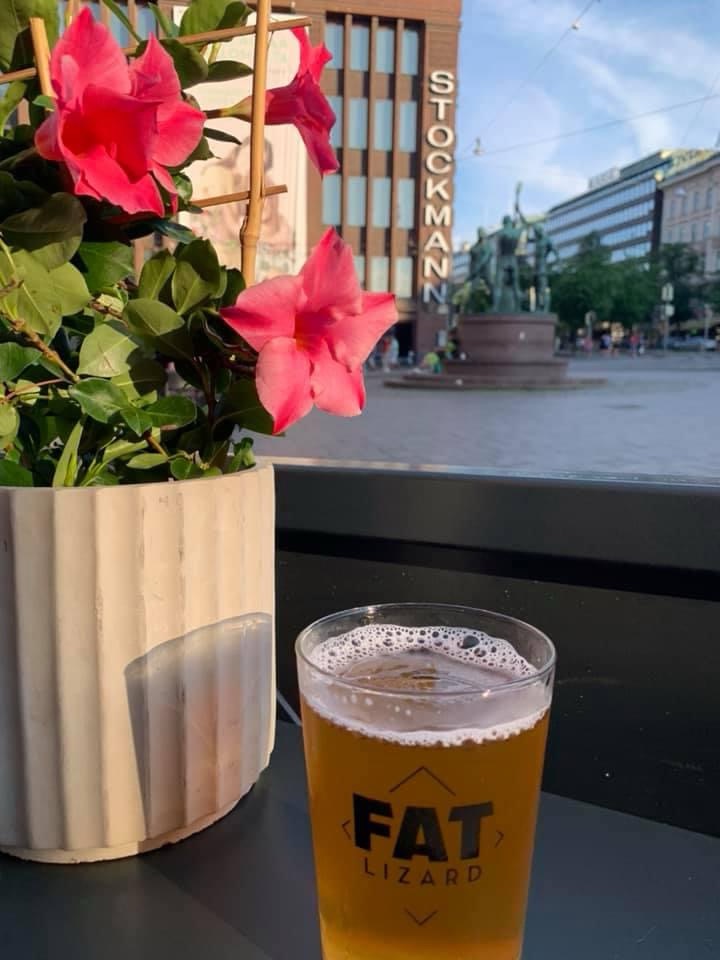
Nothing kills the mood more than arriving in the city—any city—like a modern-day explorer, only to feel as if you’ve stumbled into a labyrinth designed by an angst-ridden puzzle master or living the “Groundhog Day” with a frustrating with of “No, not this street again!’”. While in many other cities you can indulge with trams that vanish into thin air and buses that seem to be playing hide-and-seek with your schedule. In Helsinki—or Stadi, as Helsinkians call it—you can go for a nice pint somewhere and chill without needing to speak with anyone for a while. You know the stereotypes of Finns, don’t you.
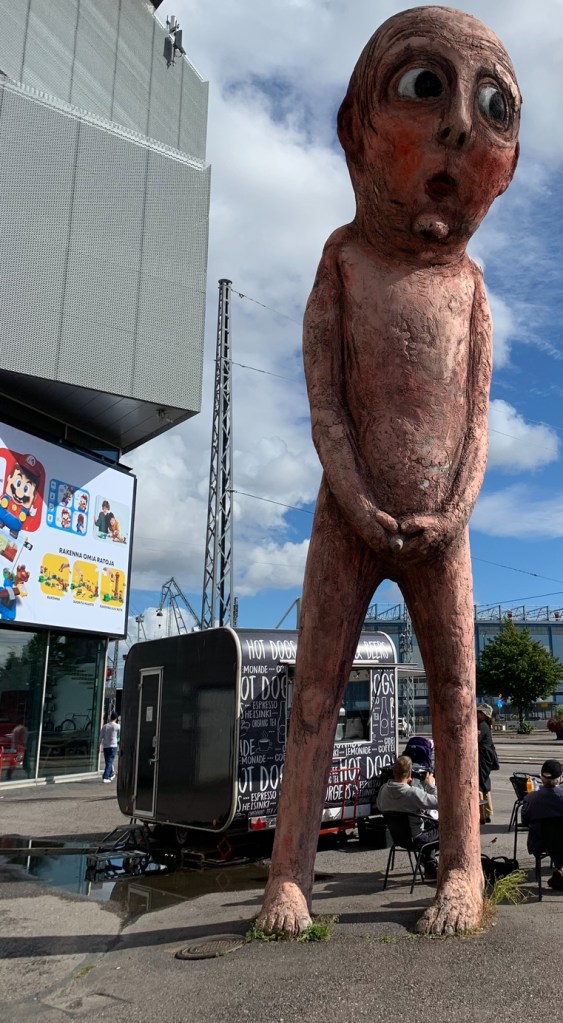
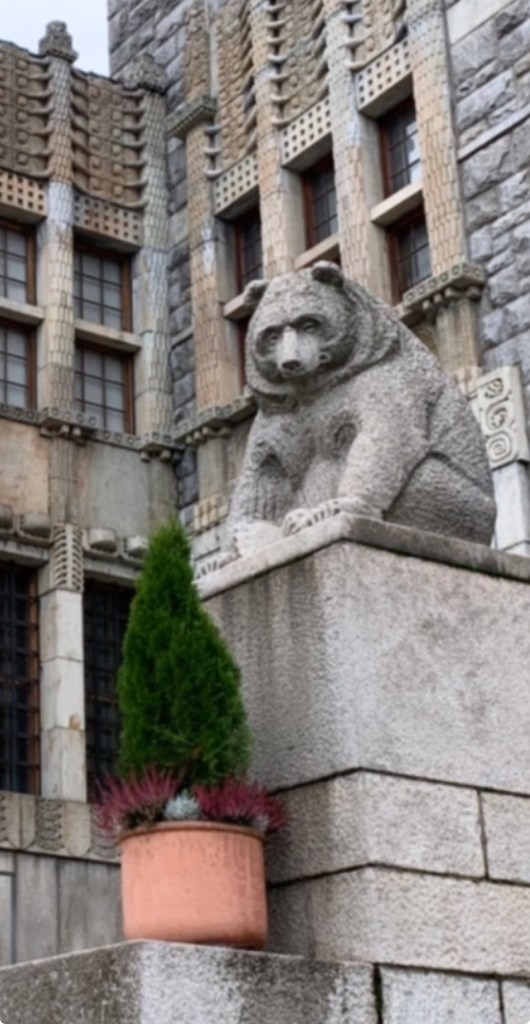
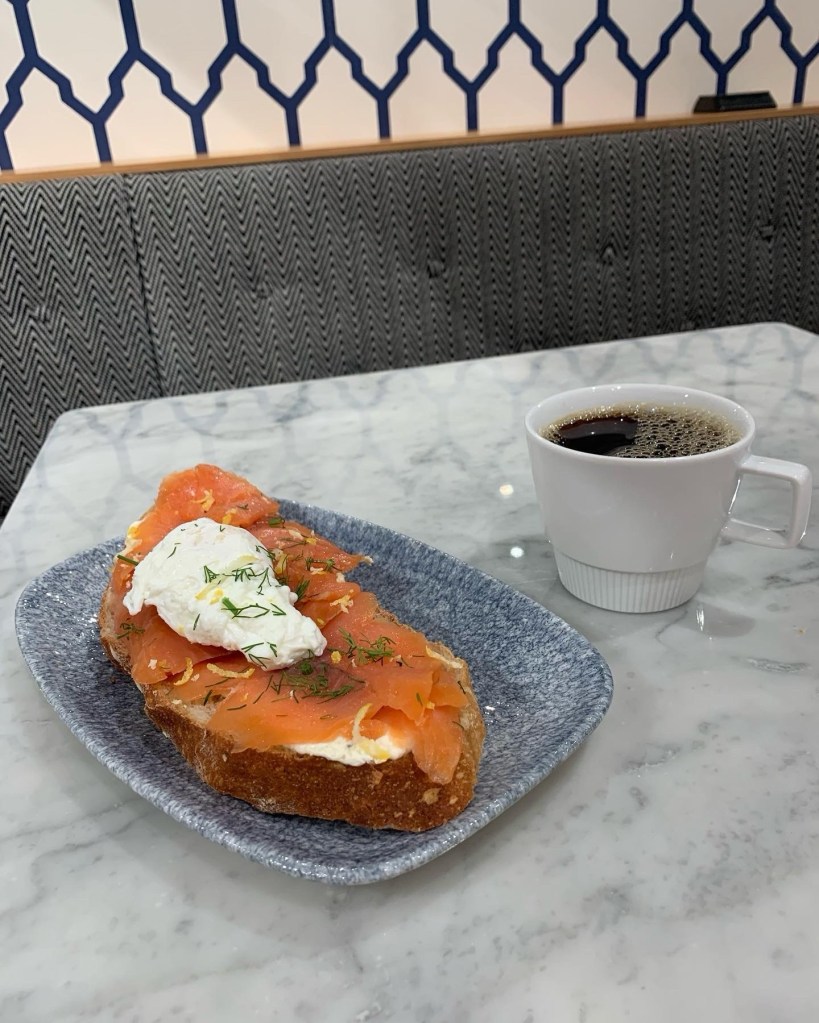
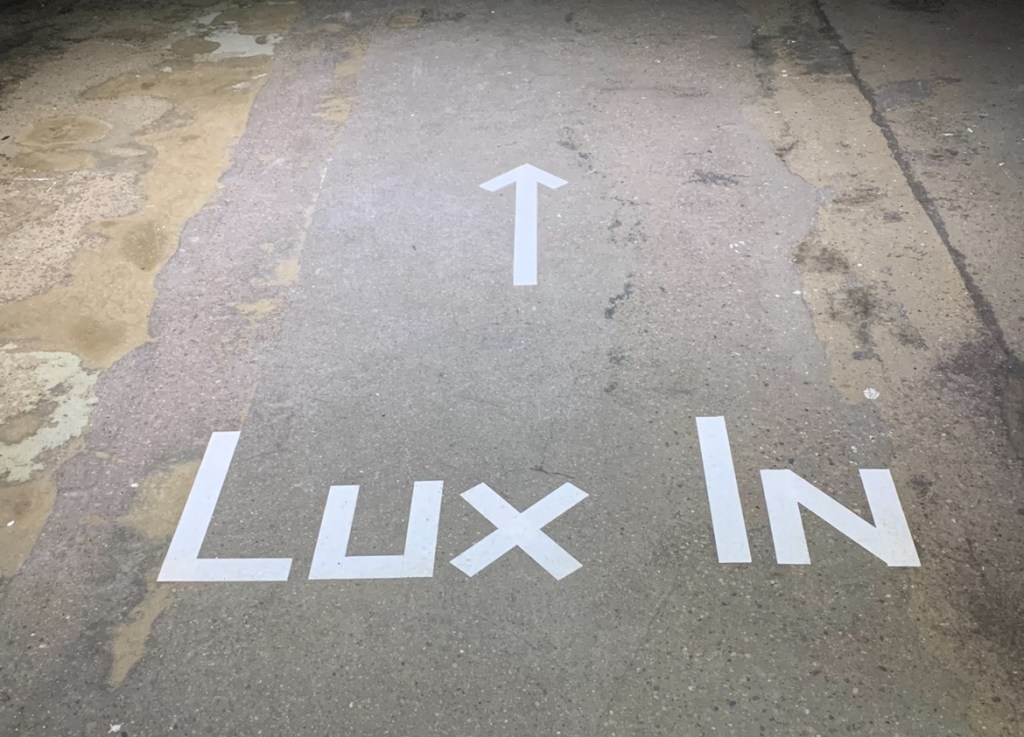
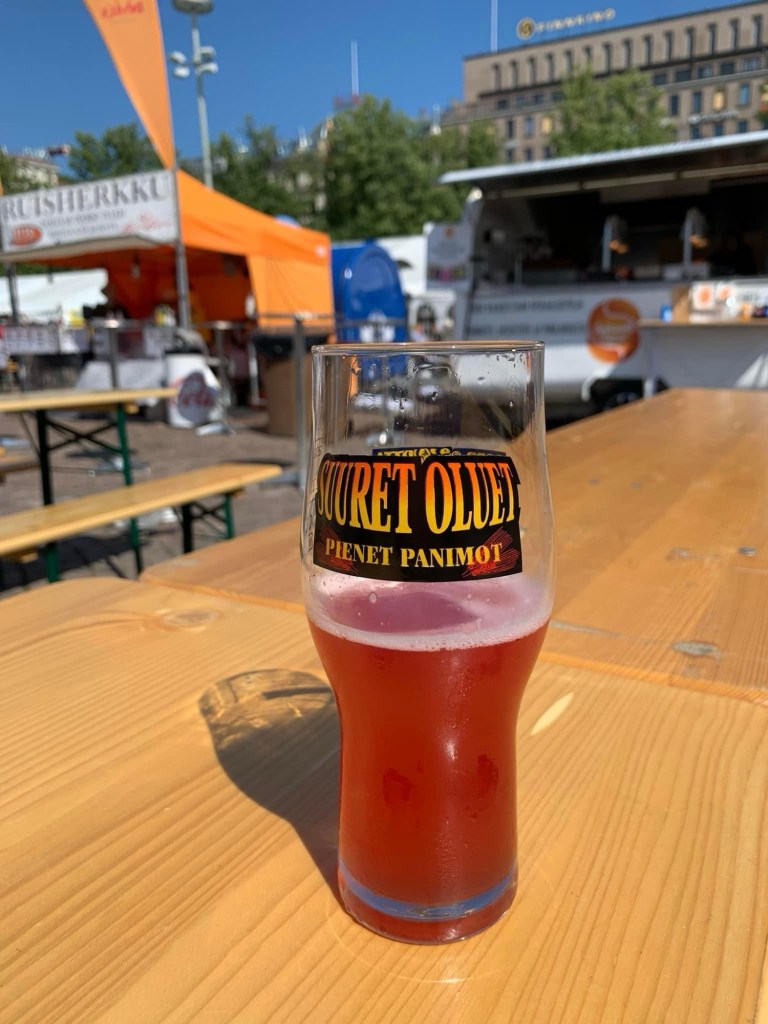
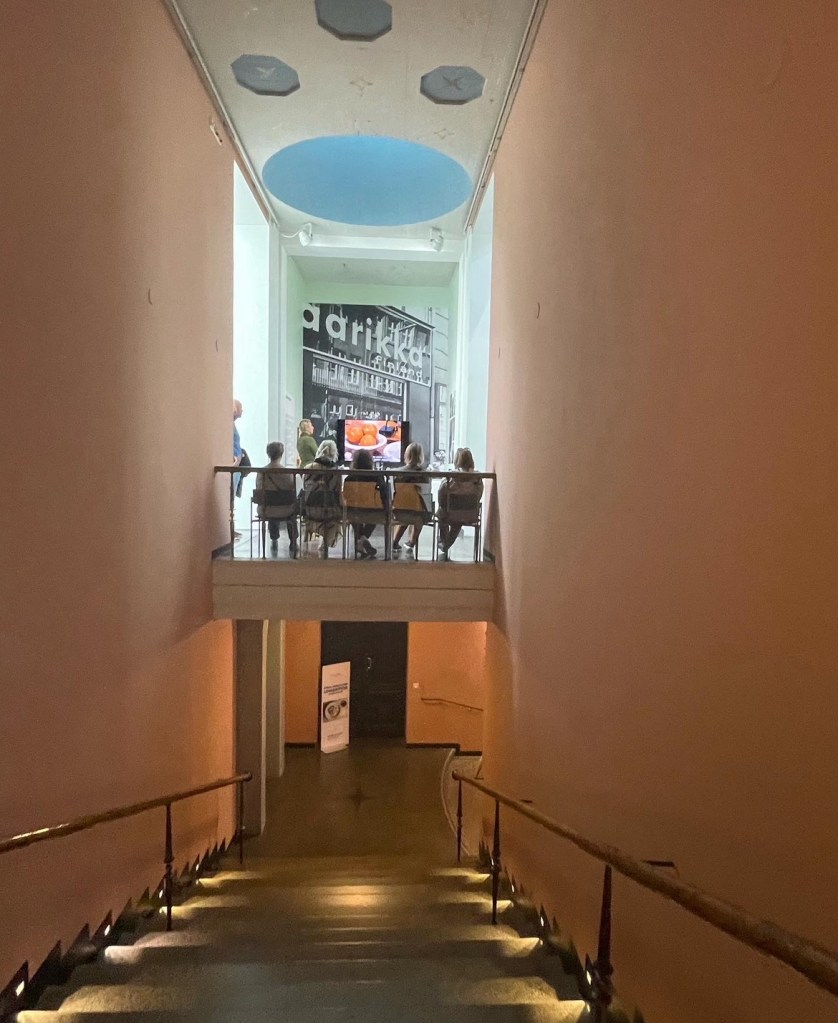
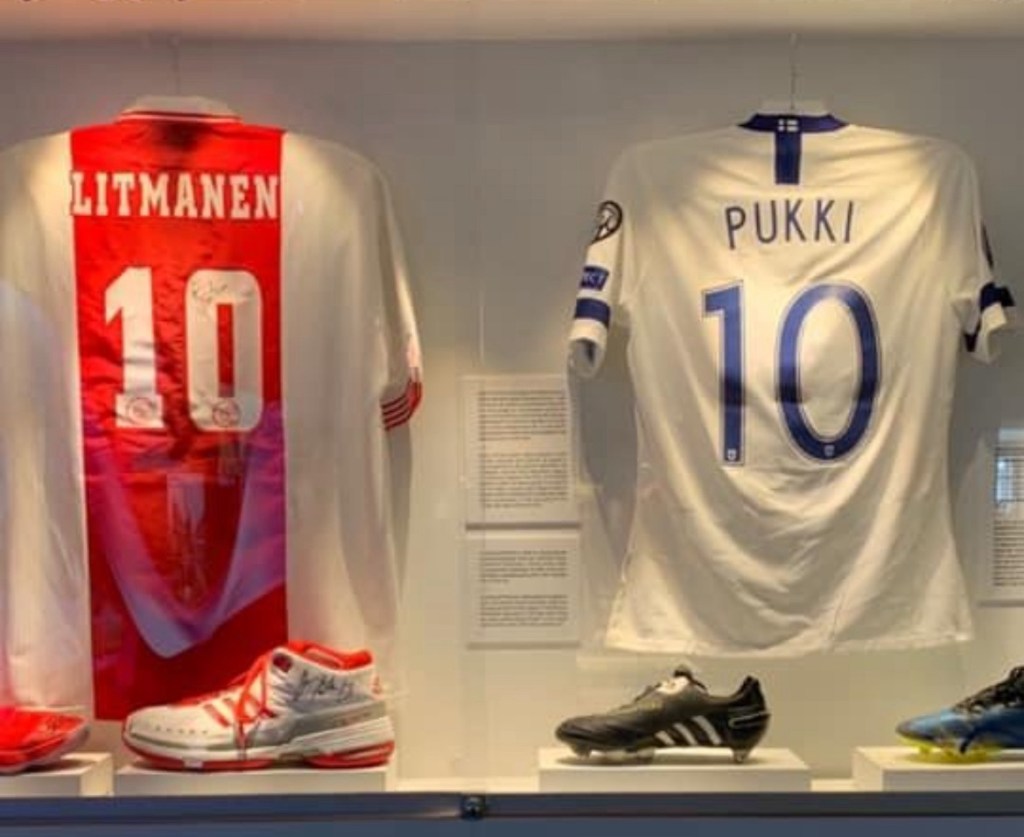
In this blog, I’ll describe the essence of Helsinki through handful of images. I aim to dive into Helsinki’s character, leaving all those fancy “Finland is the happiest country” vibes at the door. Instead, I’ll show you the city’s spirit, culture, and landscapes, as seen through my lens.
Former Helsinkian, now back to being a Helsinkian
Growing up in Helsinki profoundly shaped my identity, as I experienced the stark contrasts between its diverse neighborhoods from east to west. This contrast was particularly evident in Kontula and Munkkiniemi. Born and raised in Kontula until I was 11 years old, I witnessed the economic downturn in Helsinki and playing in among the concrete greige buildings that characterized the area. Moving to the more affluent western side brought me closer to beautiful facades, parks, and the sea.
I’ve always found myself navigating between the east side’s working-class lifestyle and the west side’s upper-middle-class environment with a 50-50 understanding. I don’t particularly lean towards one or the other—I’ve always been a blend of both. This has shaped my perspective on social and economic disparities within the city and instilled in me some kind of nuances of understanding of class dynamics.
Having lived in Espoo for over a decade before returning to Helsinki a year ago, I view the city bit from an outsider’s perspective. It’s a similar feeling to when I lived in Helsinki for 25 years and then moved to Espoo—on one hand, Helsinki seems unchanged, but on the other hand, everything is different. The city has become more diverse in terms of entertainment and feels more integrated, aligning itself with other European cities.
Many Helsinkians tend to view Espoo as a place filled with woods and located somewhat in the middle of nowhere. However, having experienced both cities, I see a blend of perspectives: Espoo’s natural landscapes and space, while Helsinki’s urban vibrancy provides a bustling atmosphere with cultural and social opportunities.
Dogs often have a habit of jumping off the sofa just to jump right back on. This sums up my outlook on life—I feel a strong desire to travel outside of Finland, yet I equally value returning home. The excitement of exploring new places abroad is balanced by the comfort and familiarity of coming back to Finland.
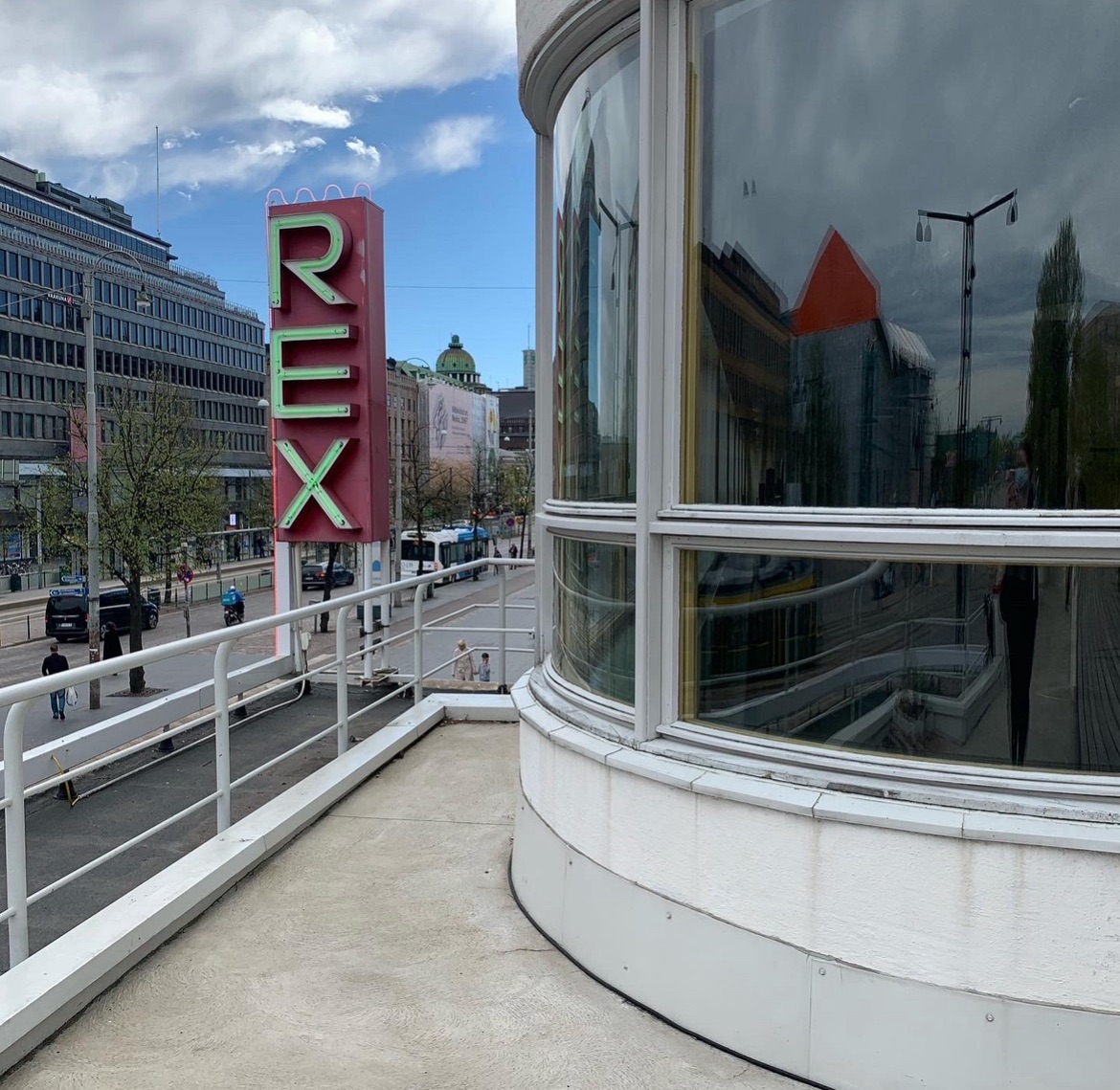
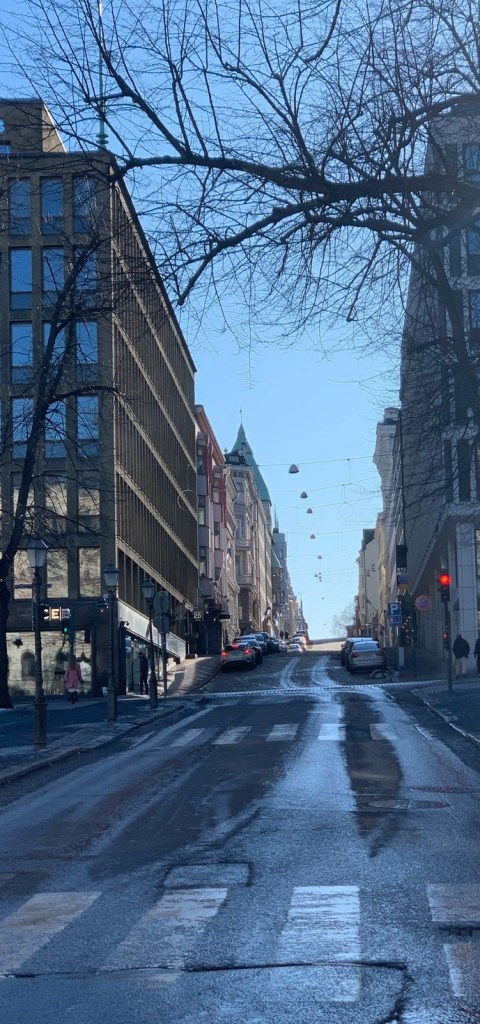
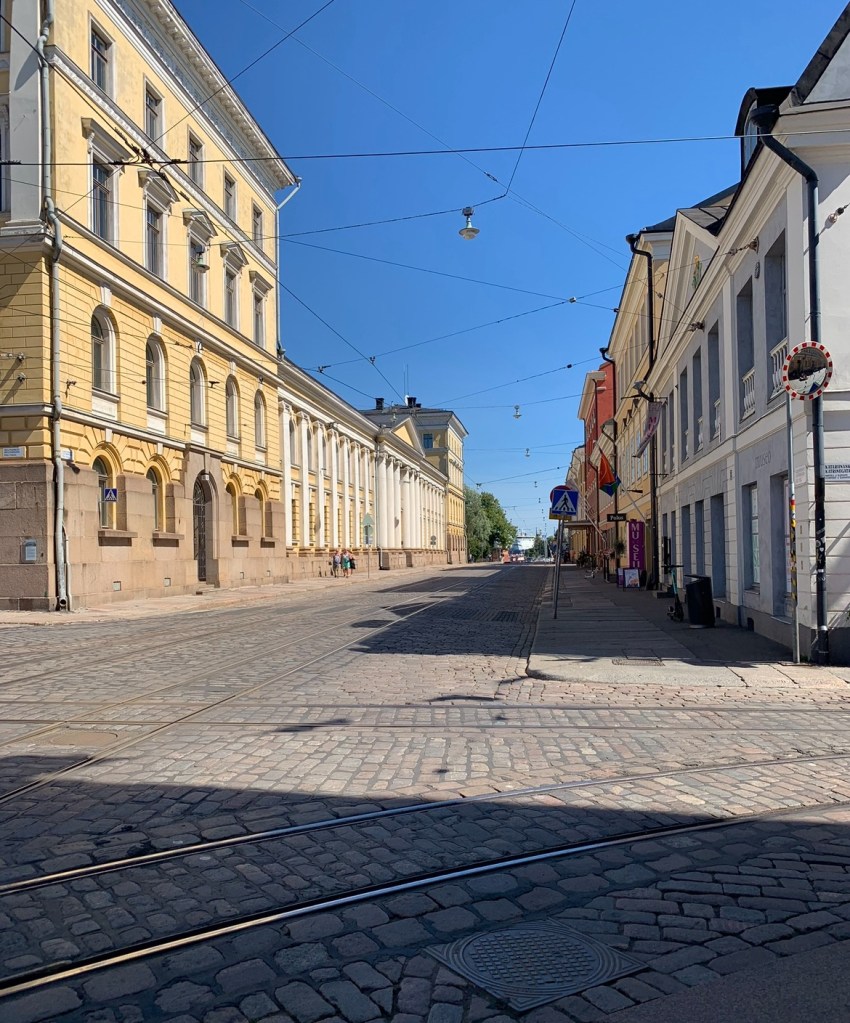
Horizontal and Vertical: Exploring Helsinki’s Skyline and Streets
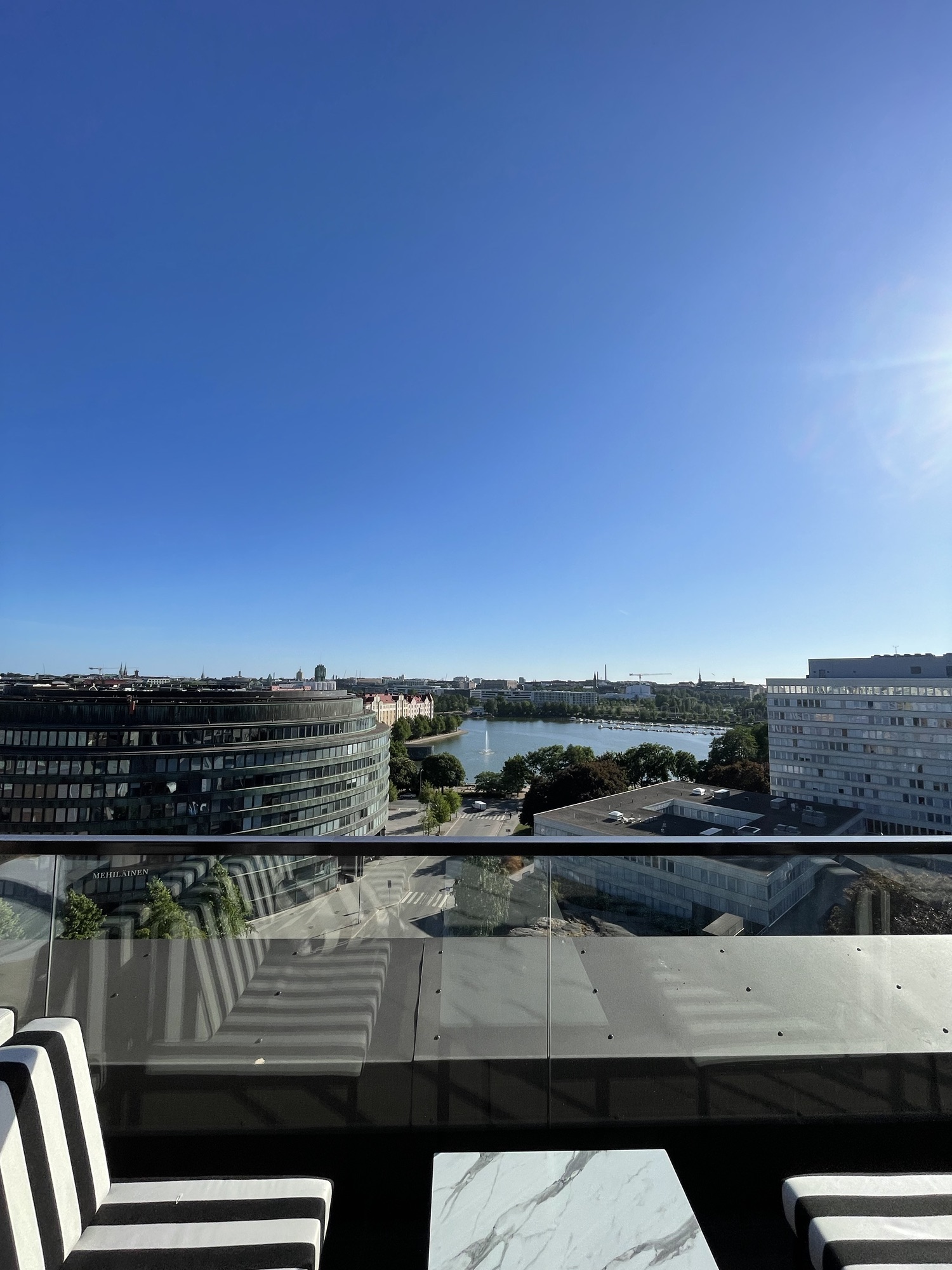
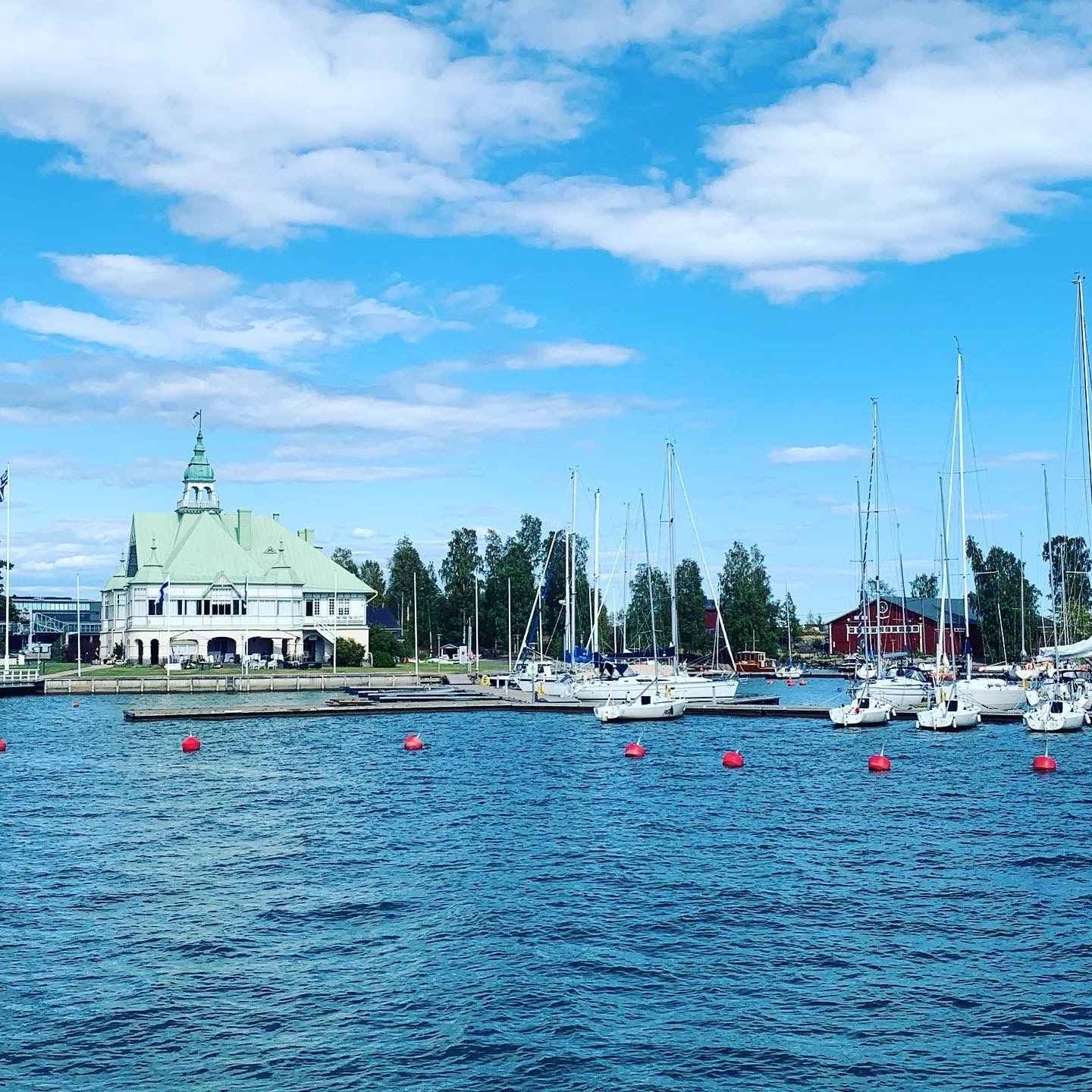

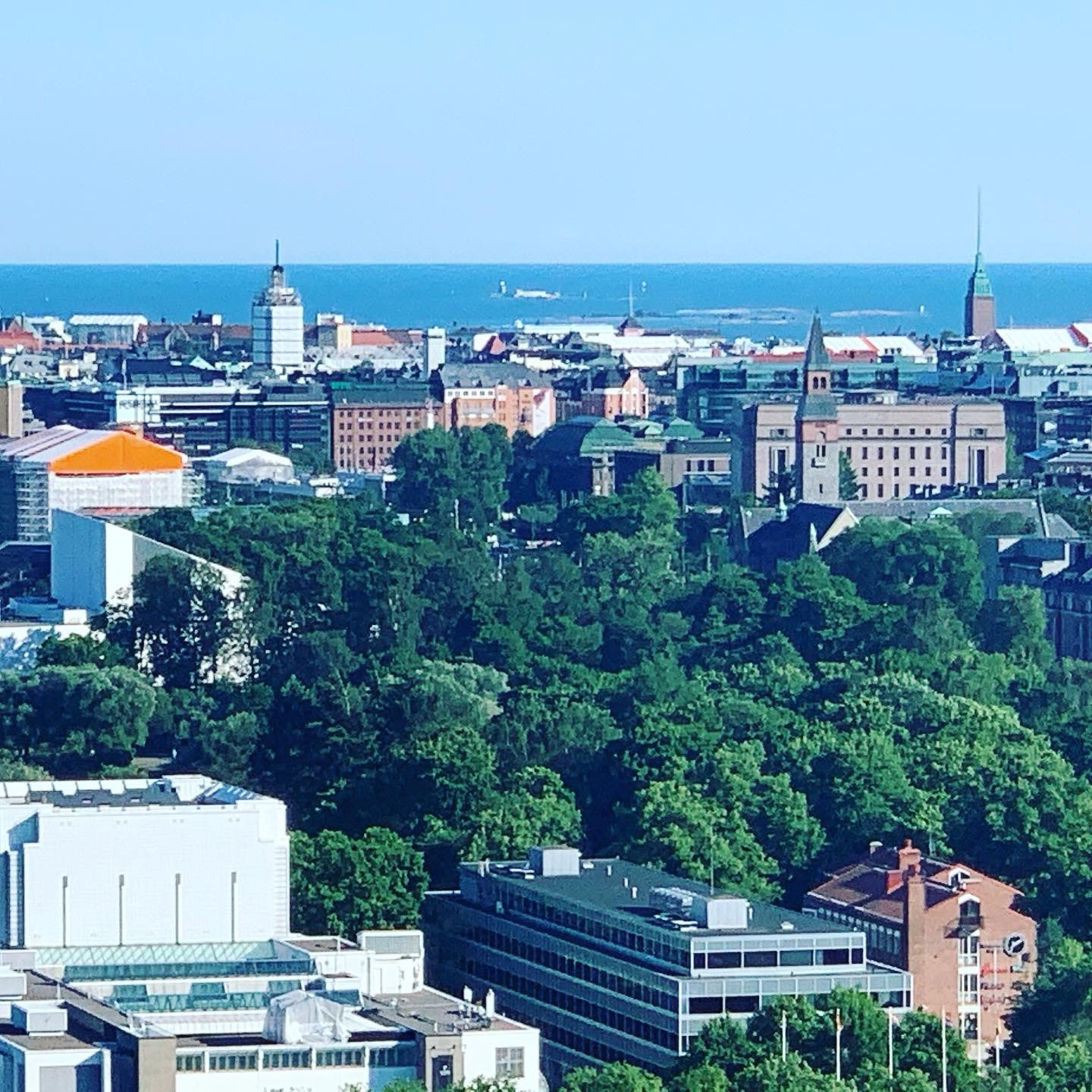
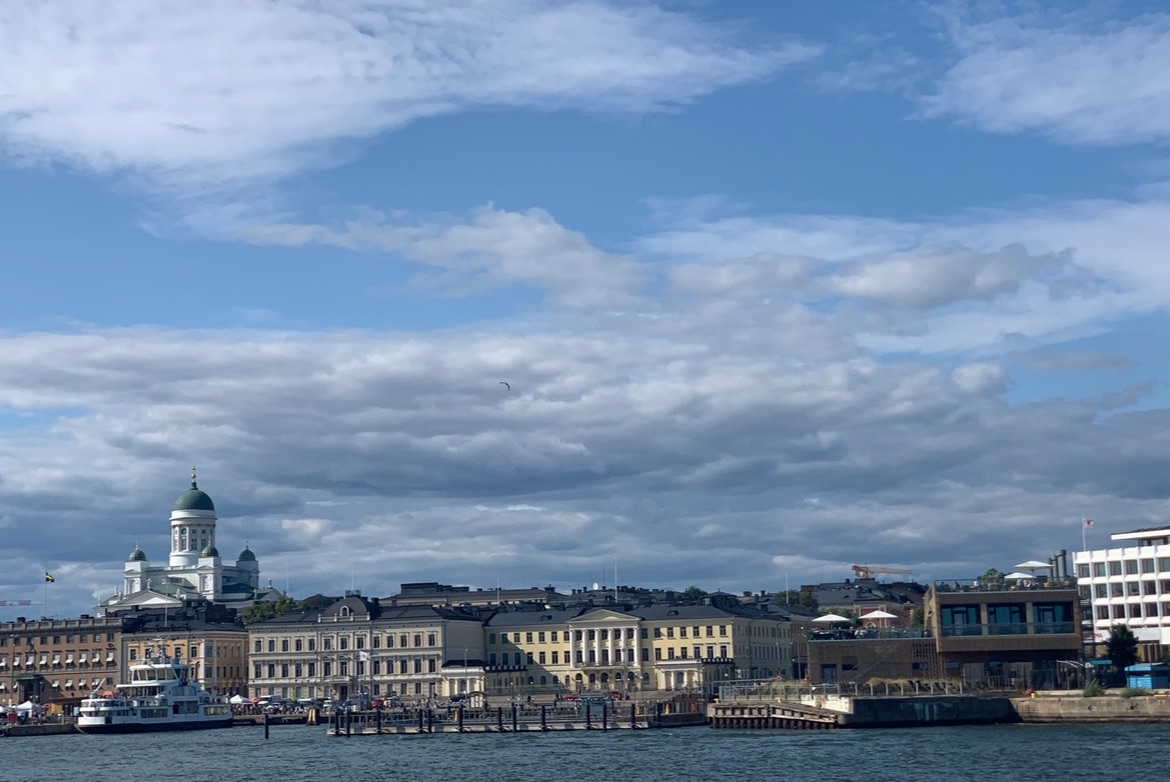
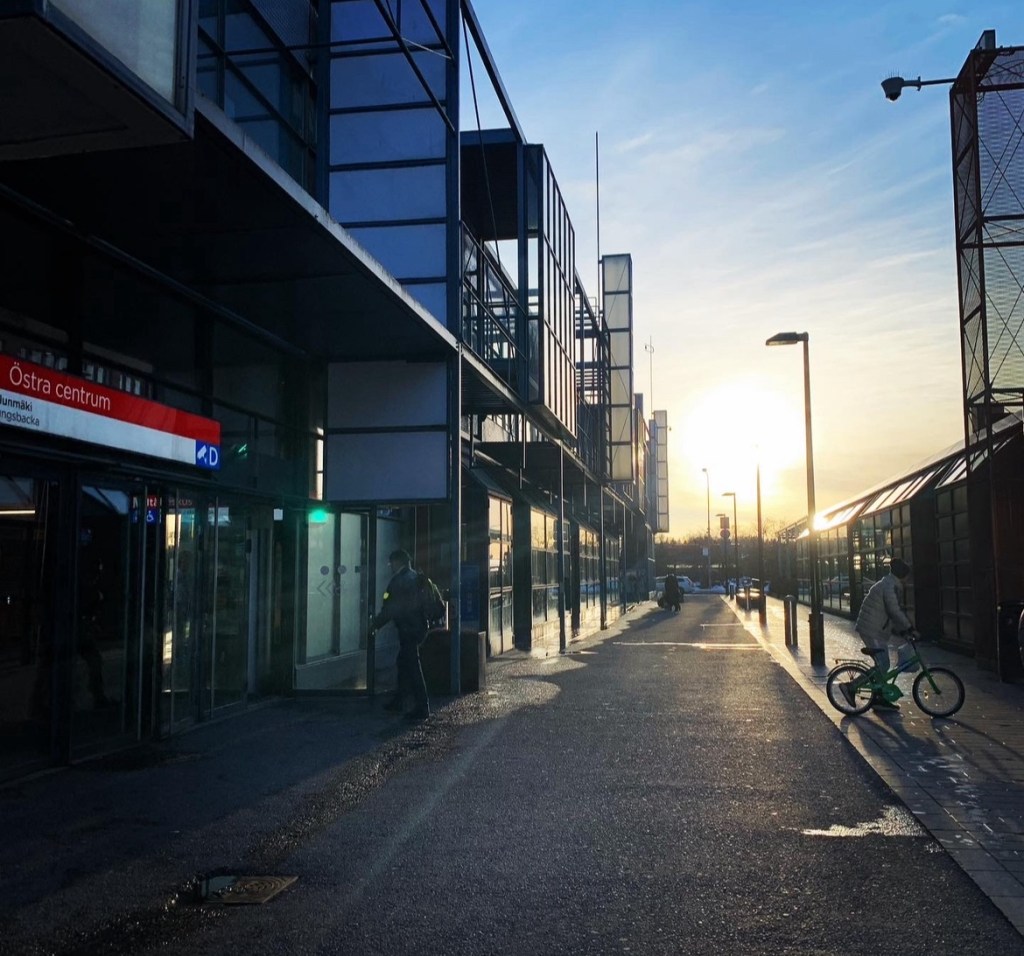
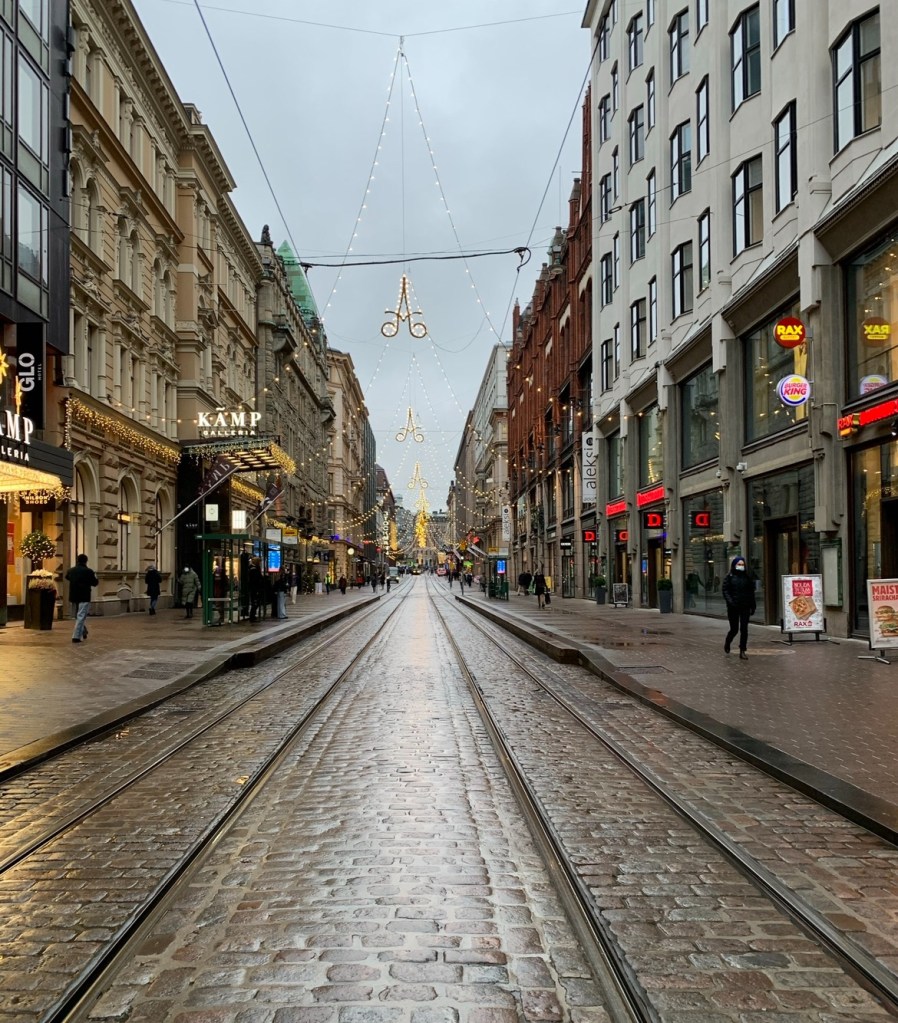
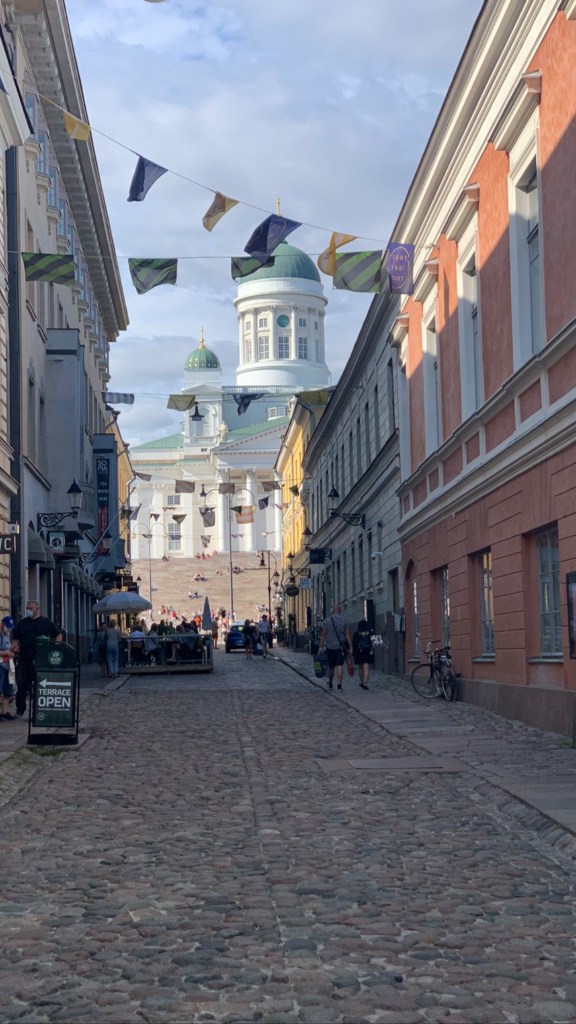
Minimalism Meets Maximalism
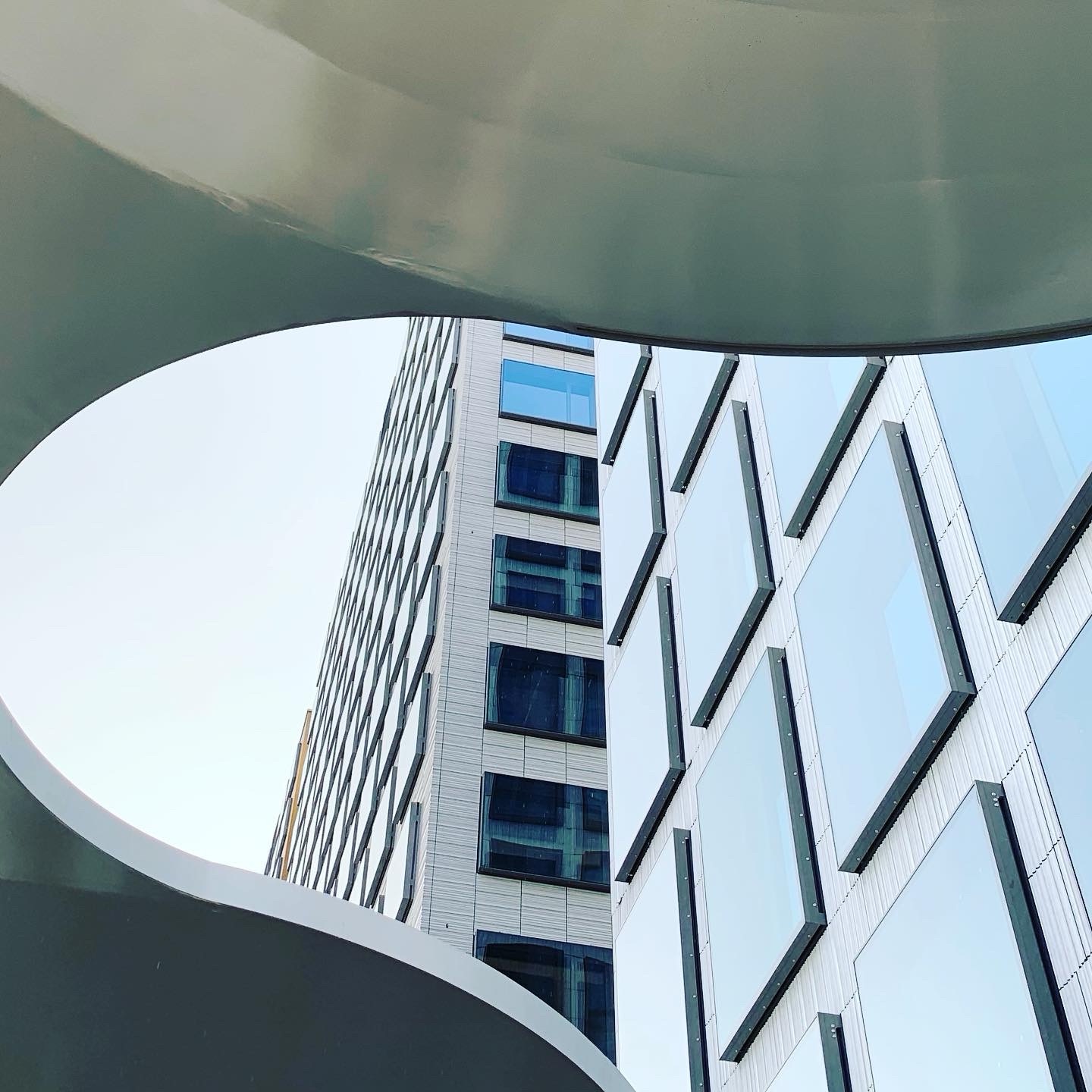
Minimalism, characterized by simplicity, clean lines, and a focus on functionality, can be trace back to Helsinki’s rich and timeless design heritage influenced by architectures such as Alvar Aalto. For instance, the Olympic Stadium, a functionalist structure built for the 1952 Summer Olympics, showcases Finland’s expertise in utilizing wood in modern construction.
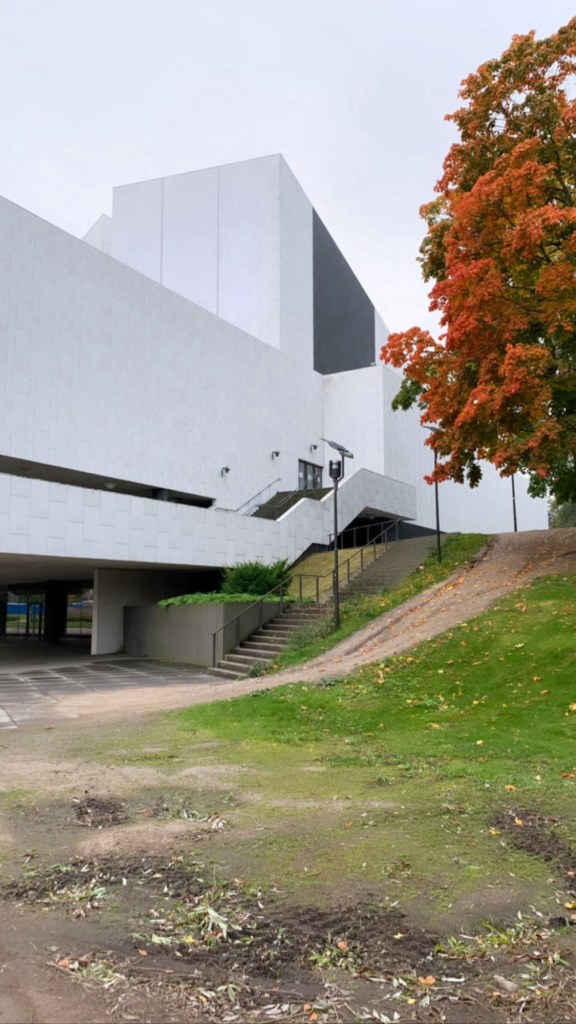
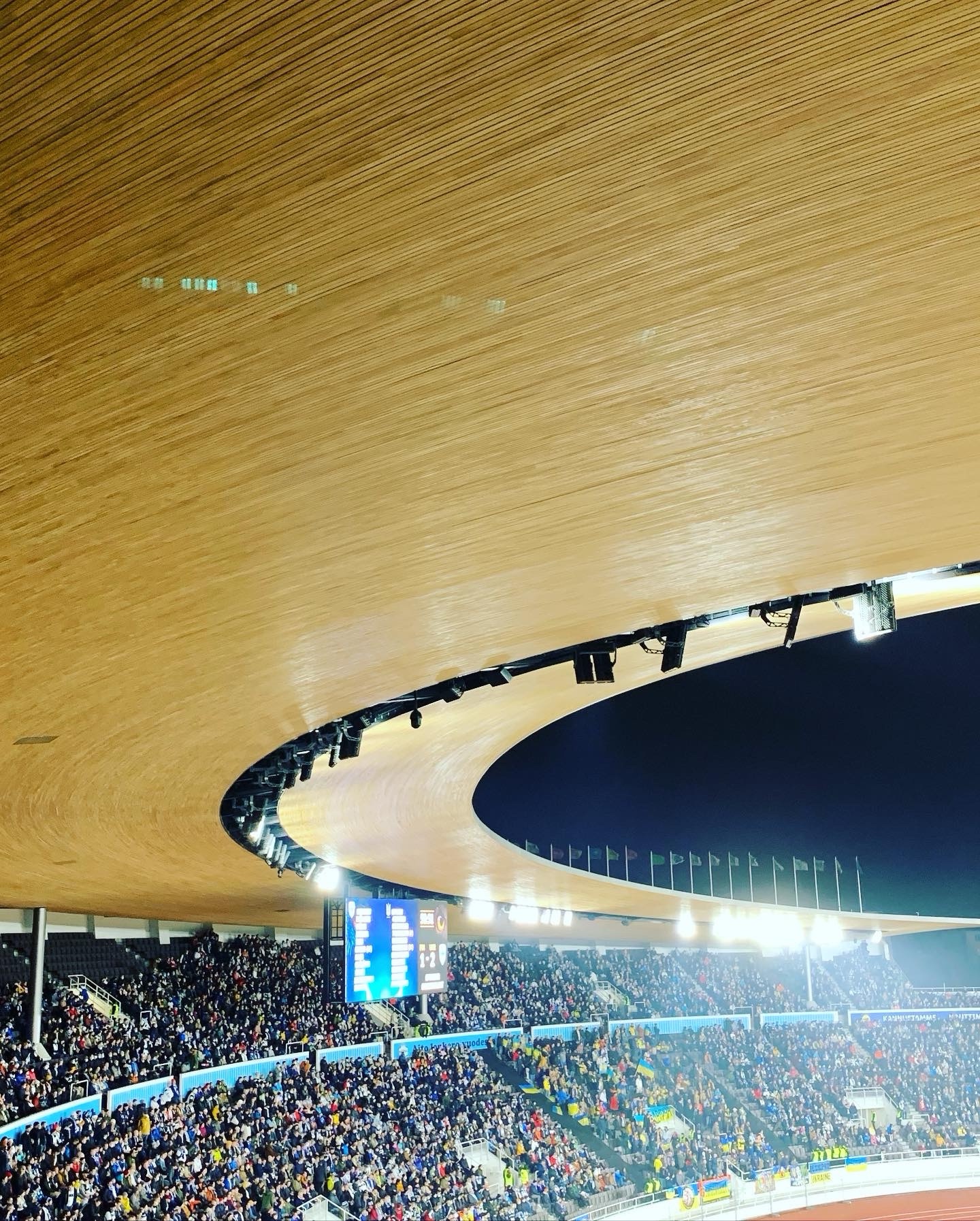

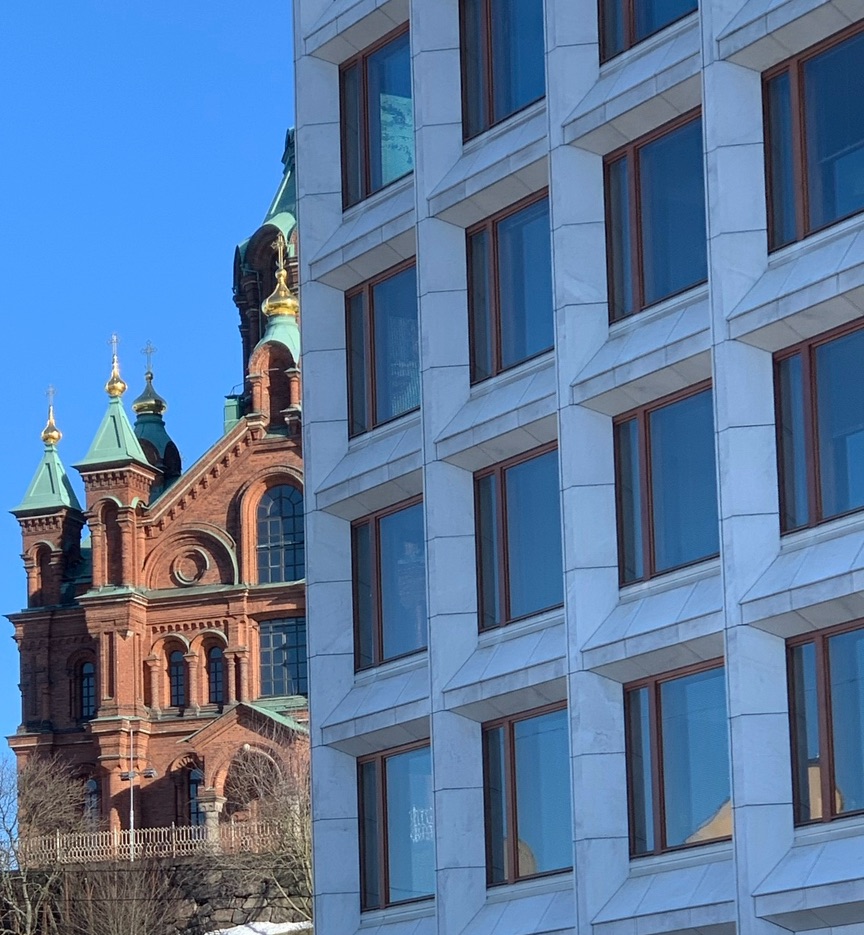
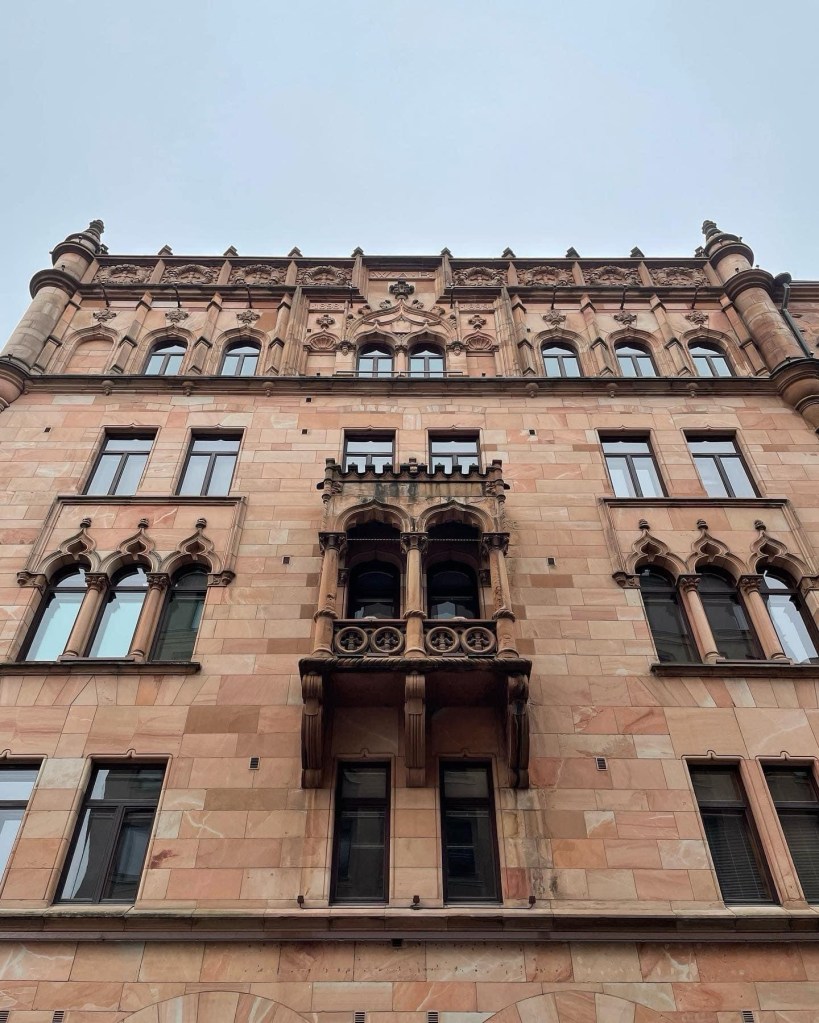
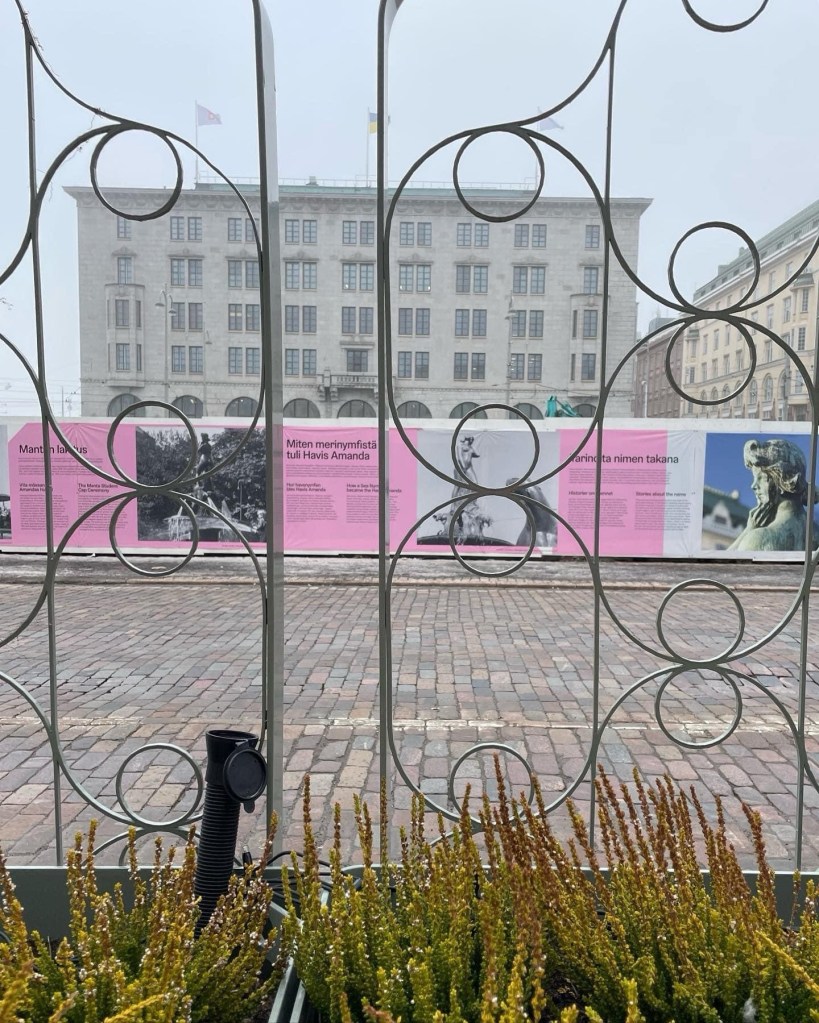
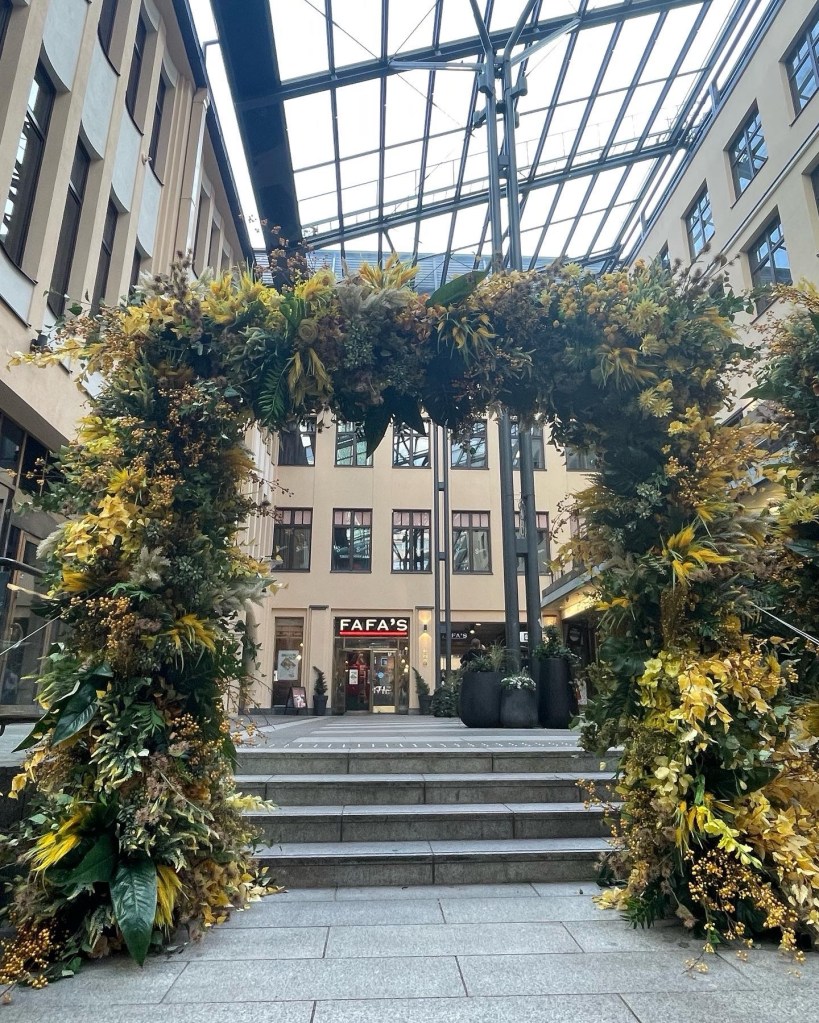
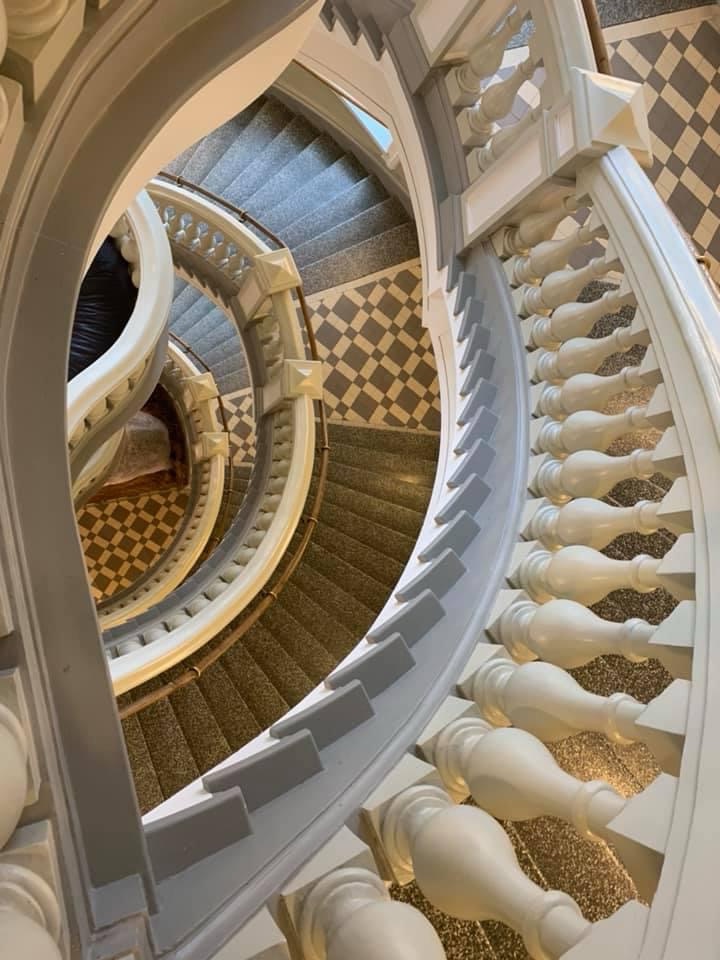
with detailed patterns and layer
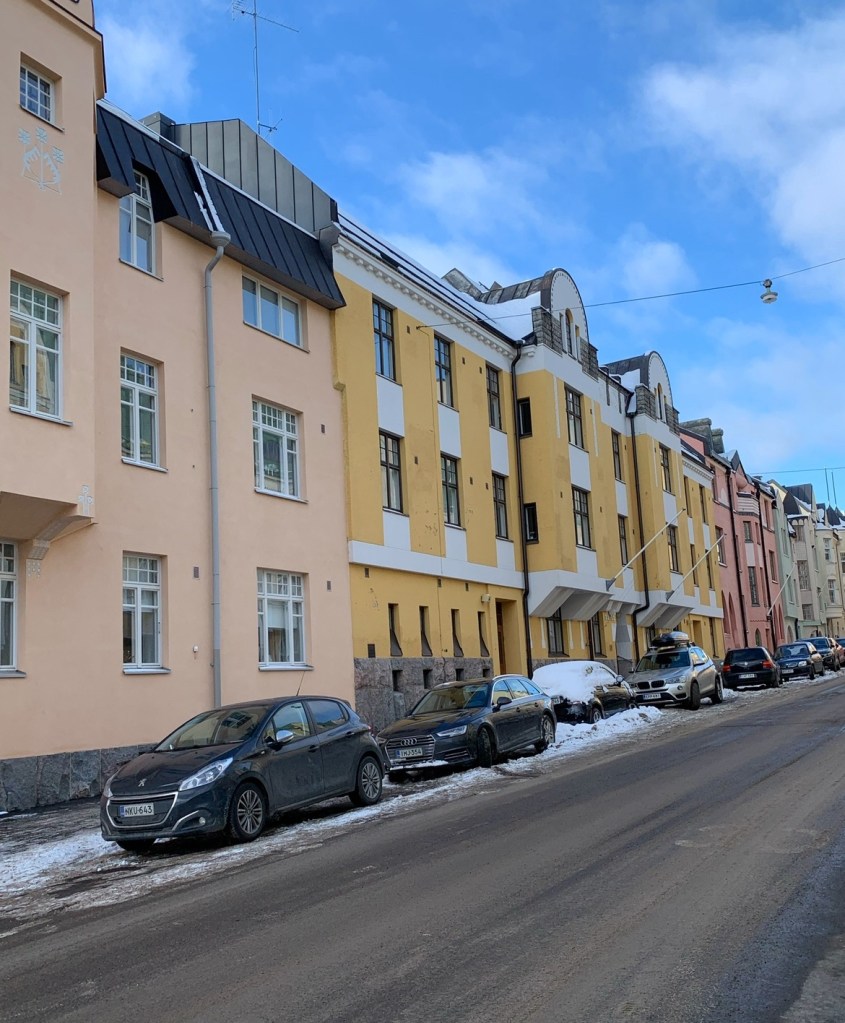
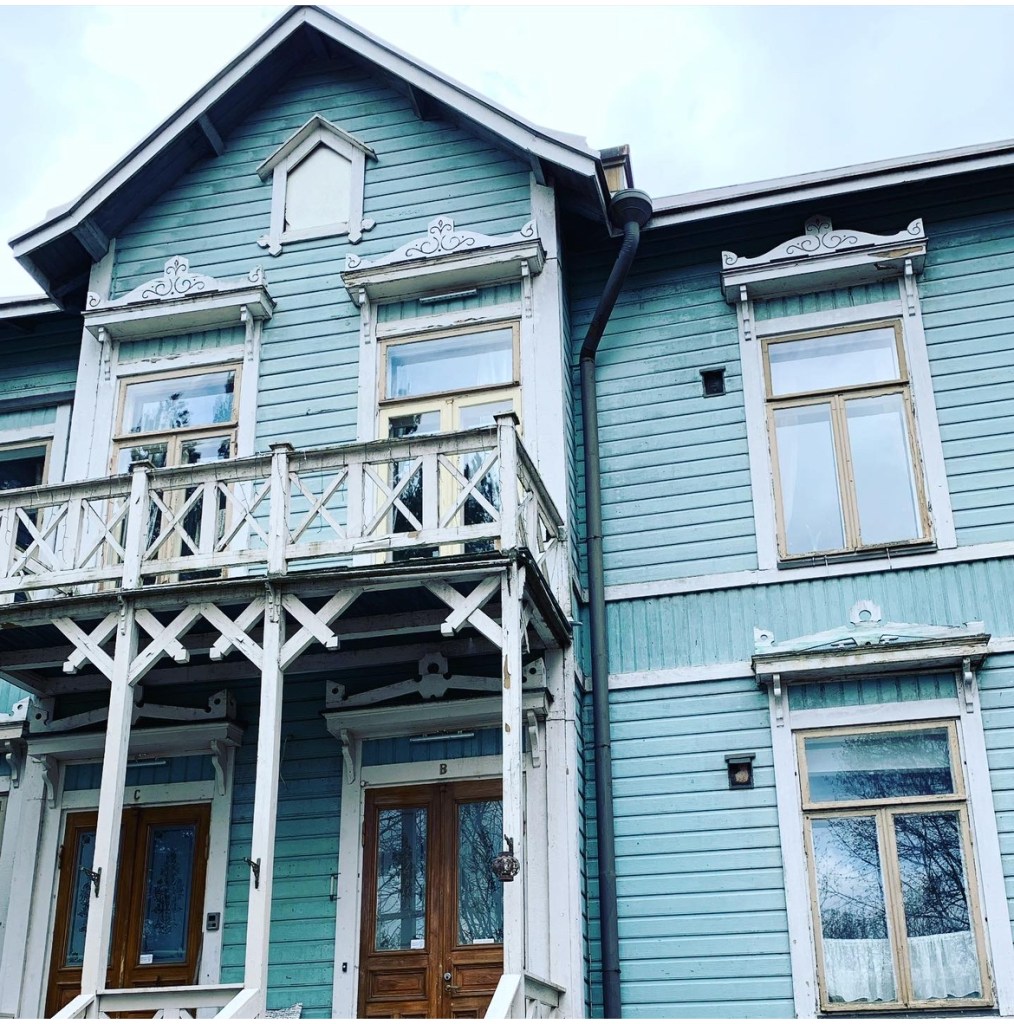
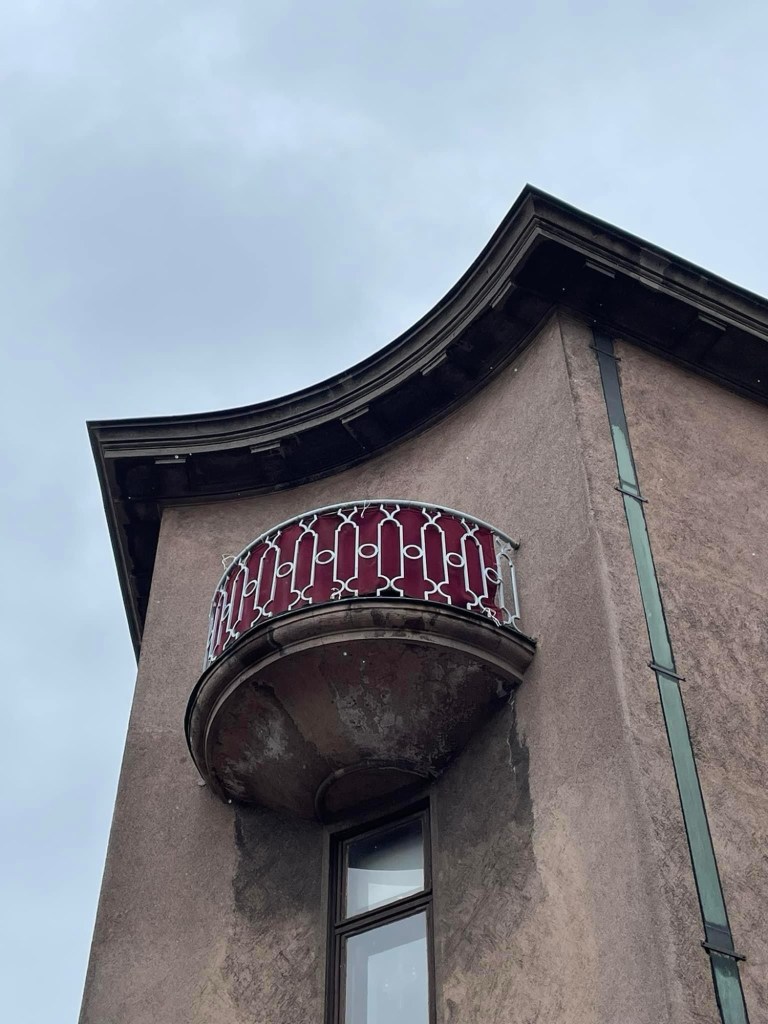
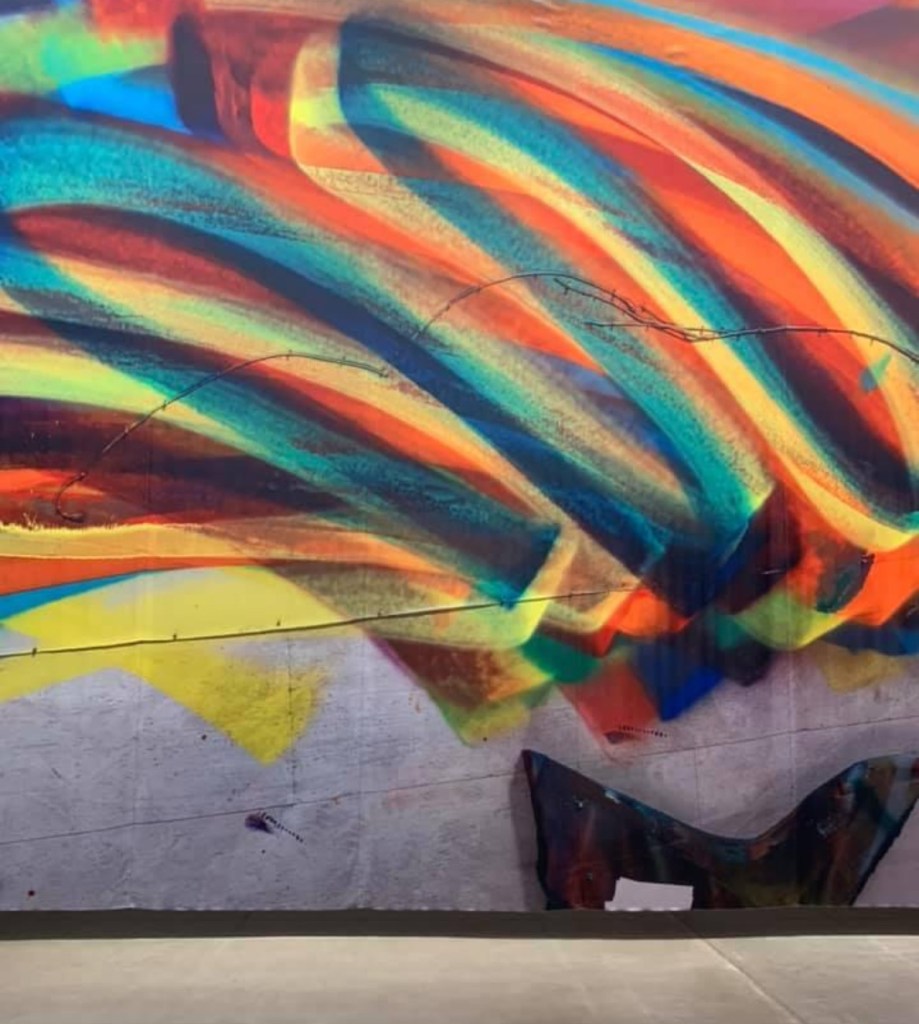
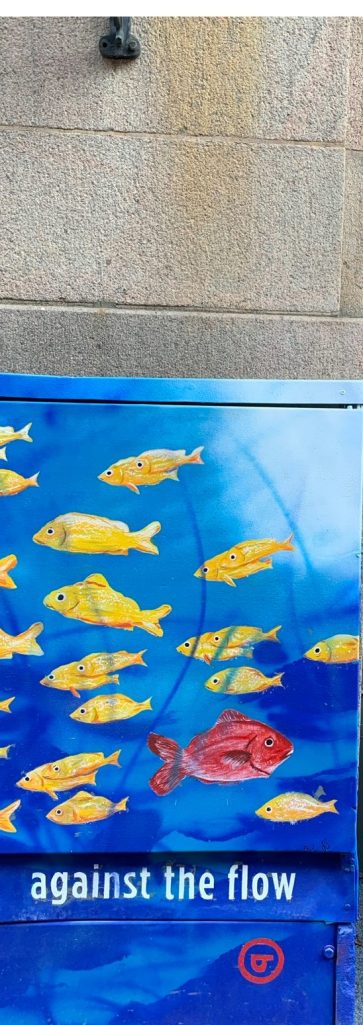
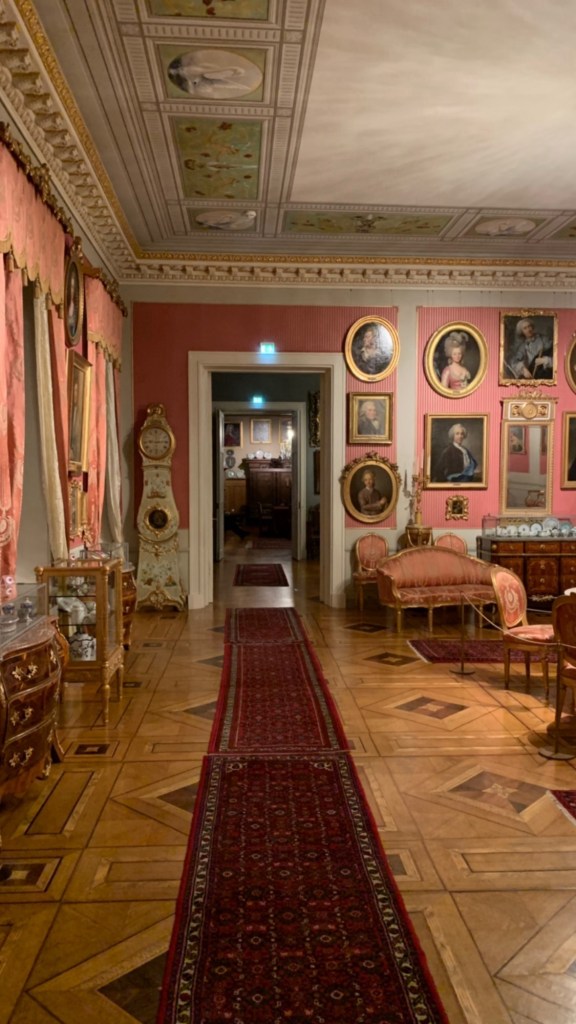
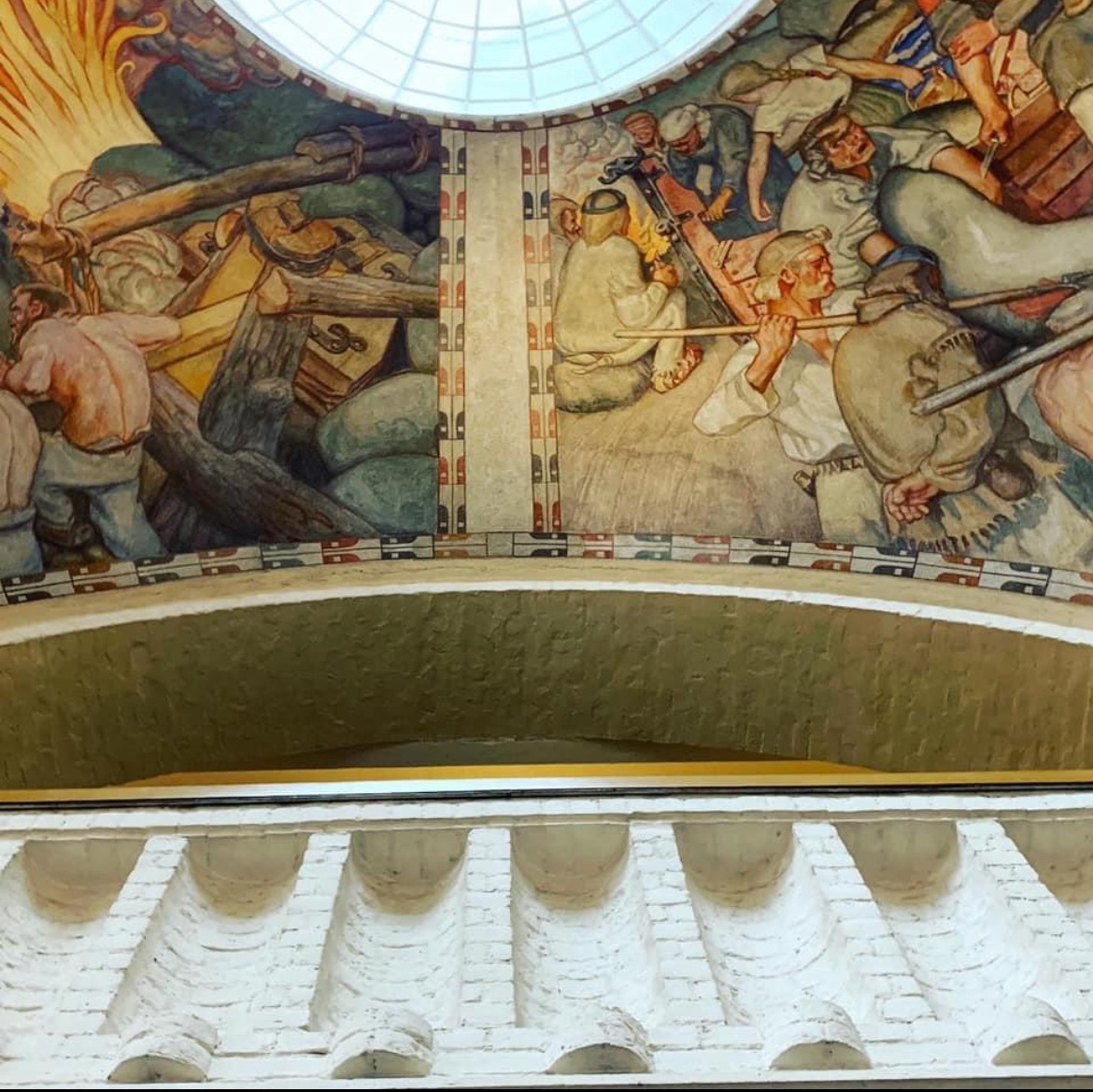
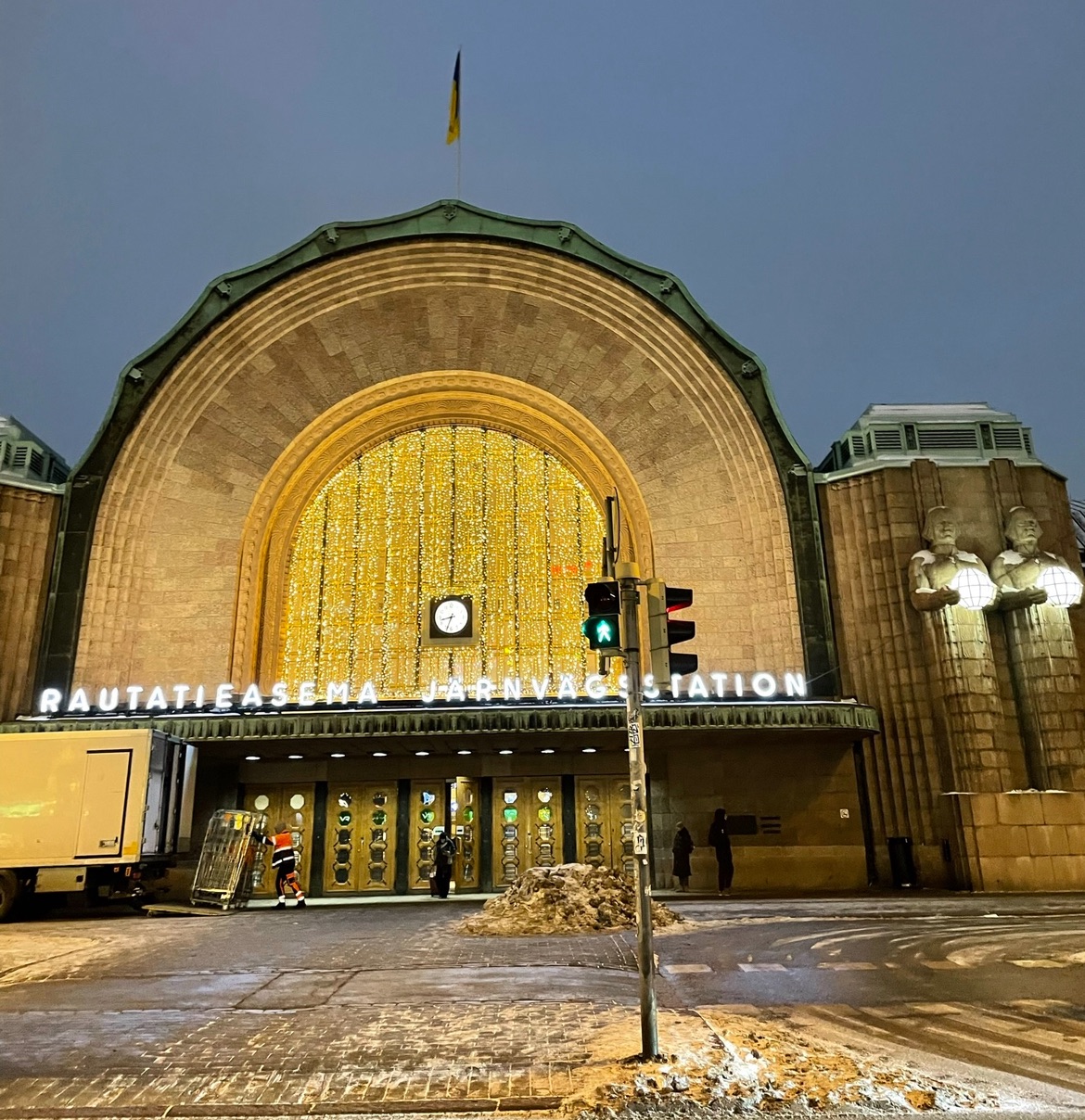
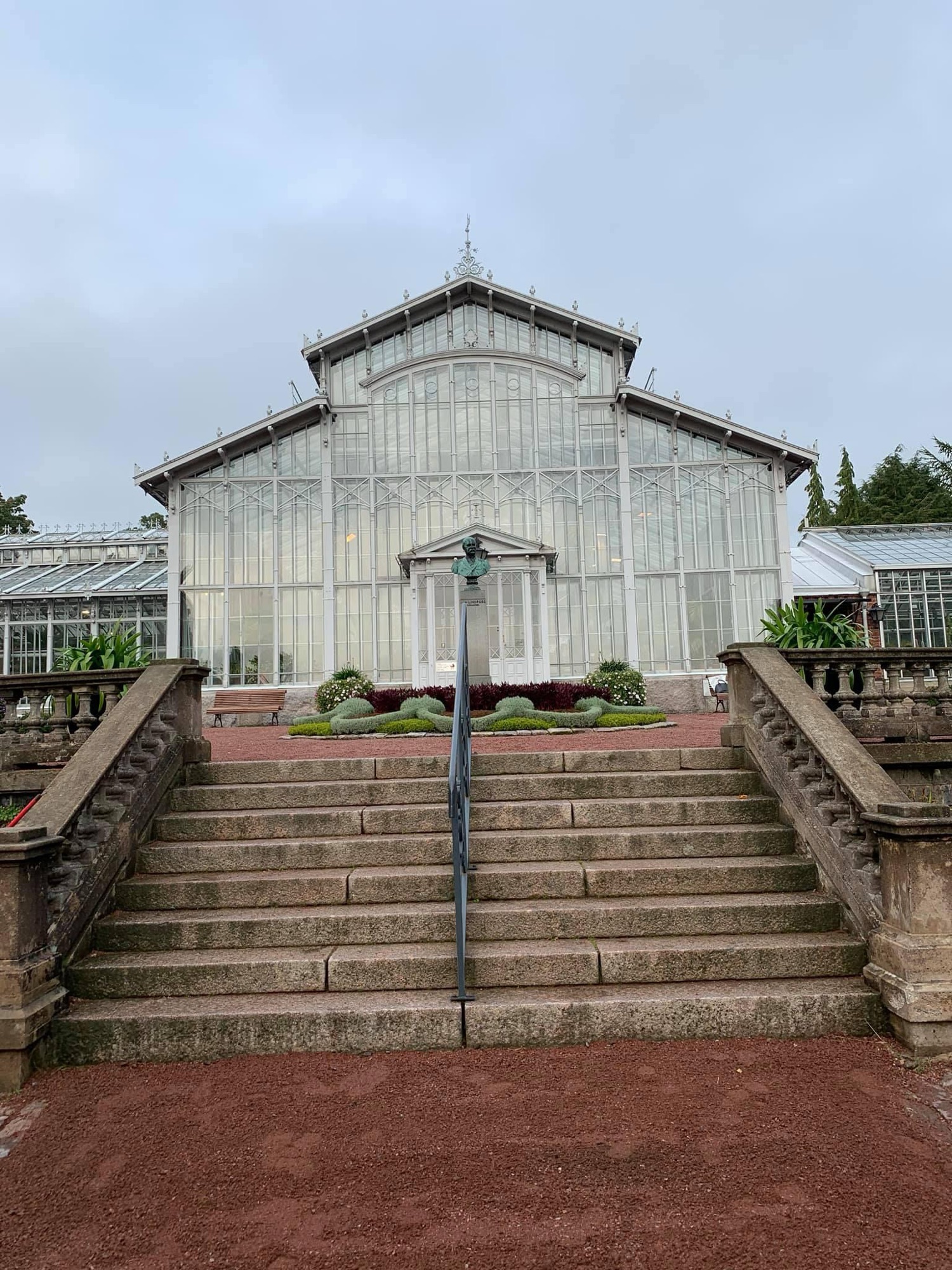
In contrast – or in harmony – with minimalism, Helsinki integrates elements of maximalism into its architecture, resulting in a visually diverse cityscape. Reflecting the international Art Nouveau style that flourished during the late 19th and early 20th centuries, the city stands out as a globally unique Art Nouveau city, with an impressive collection of 600 Art Nouveau buildings.


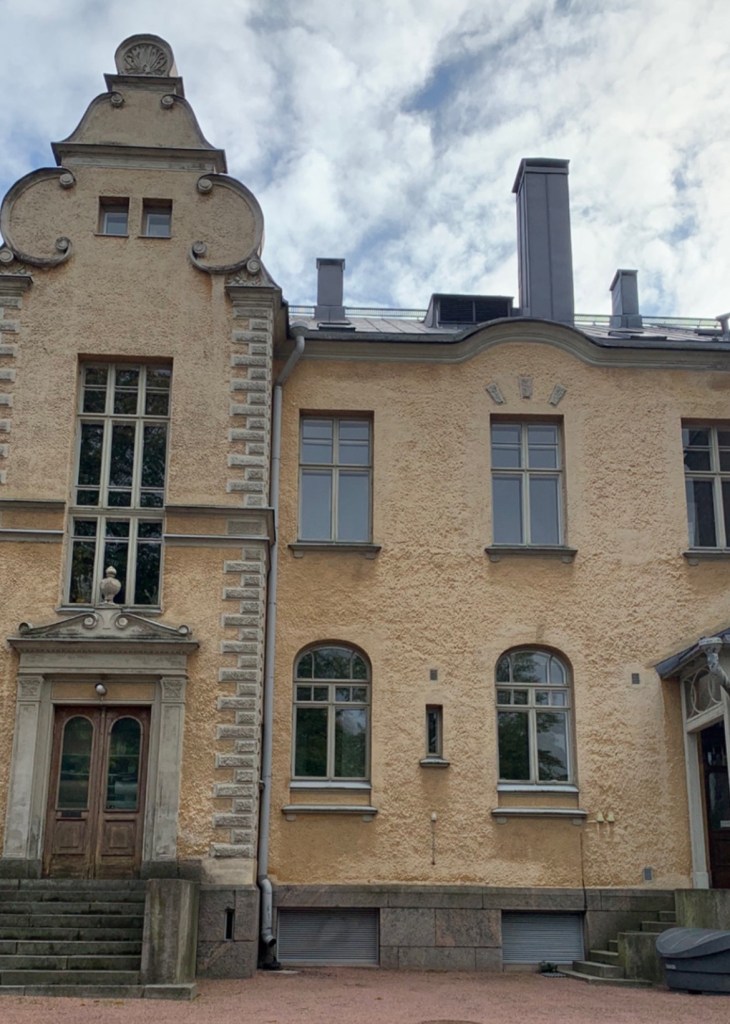

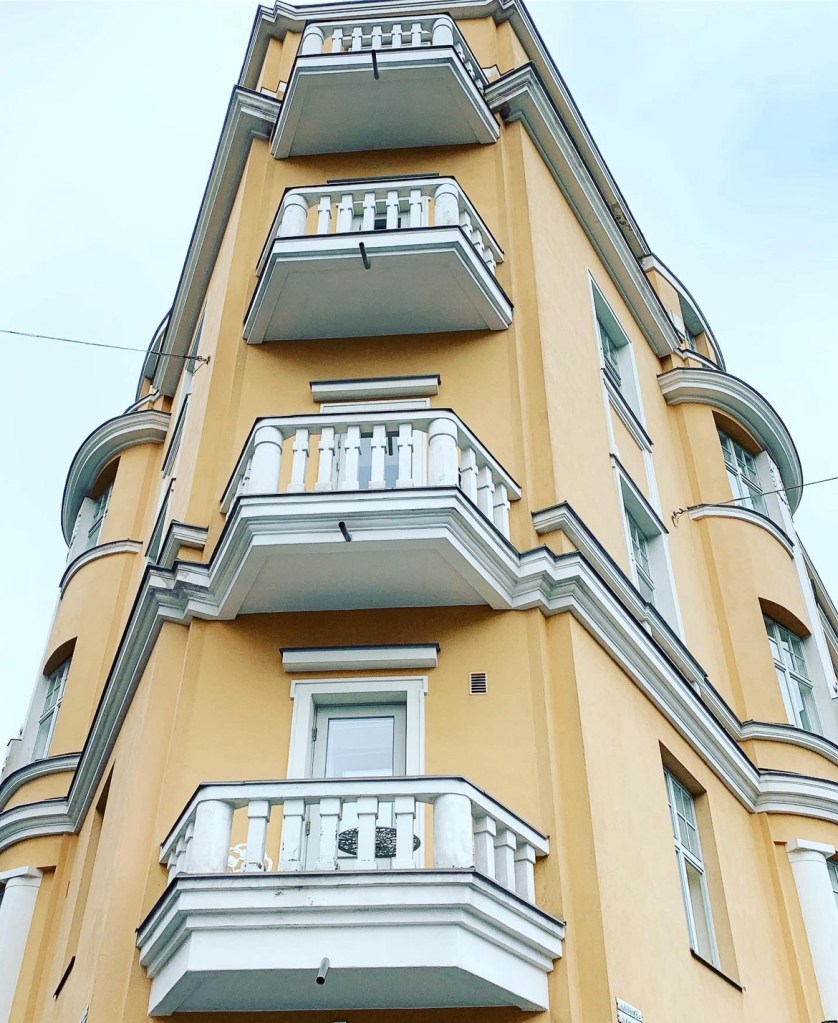

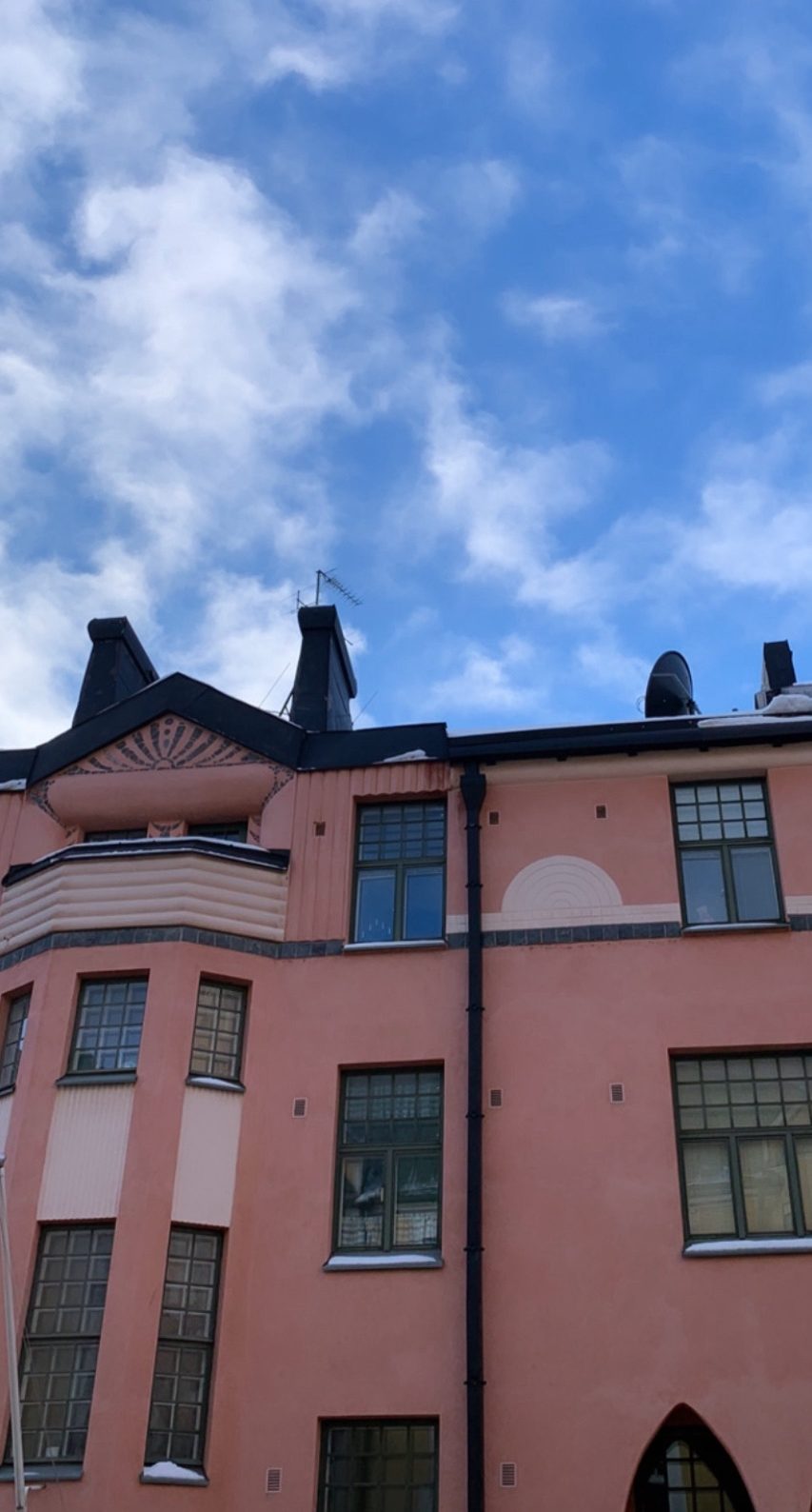
and pastels featuring vivid colors
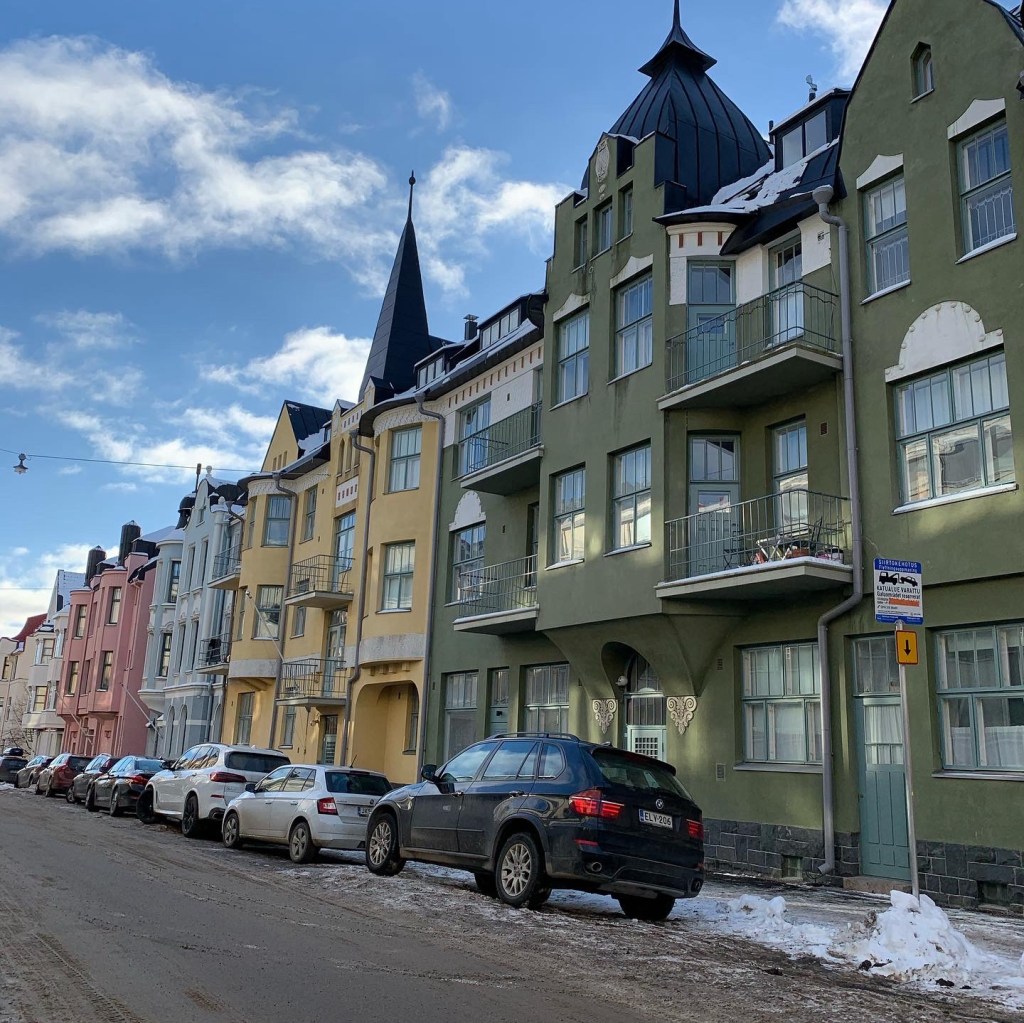
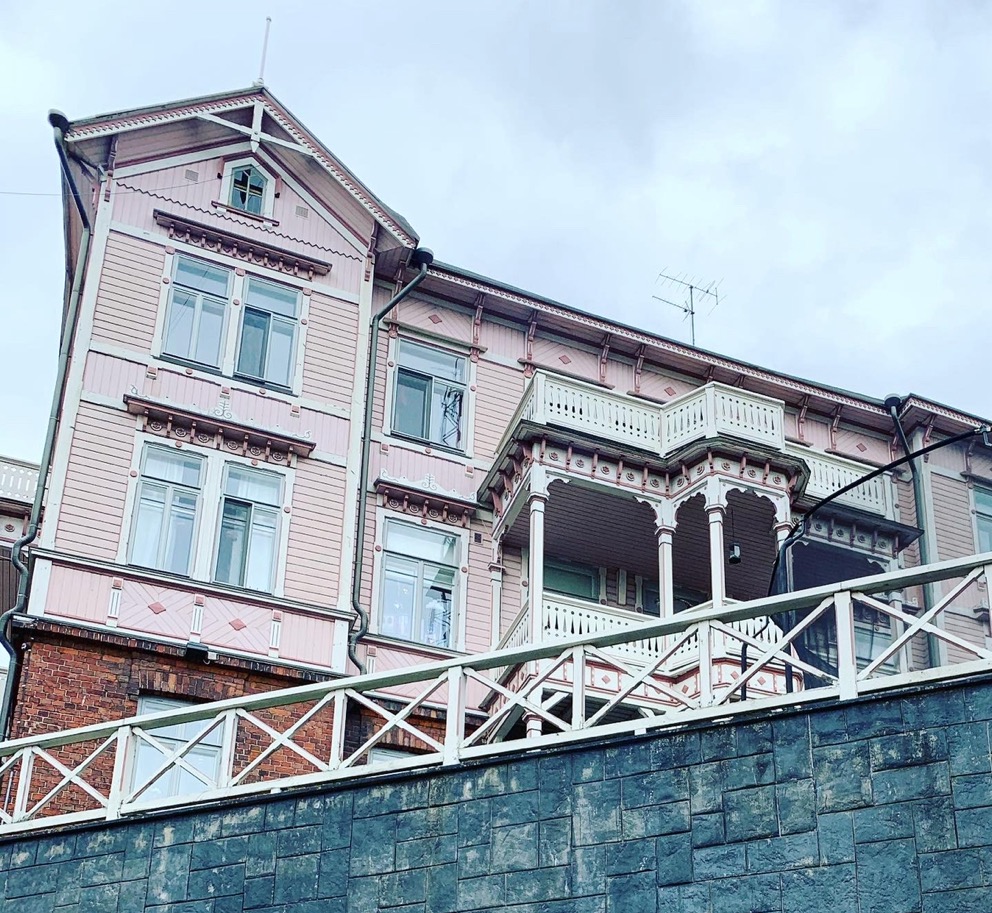


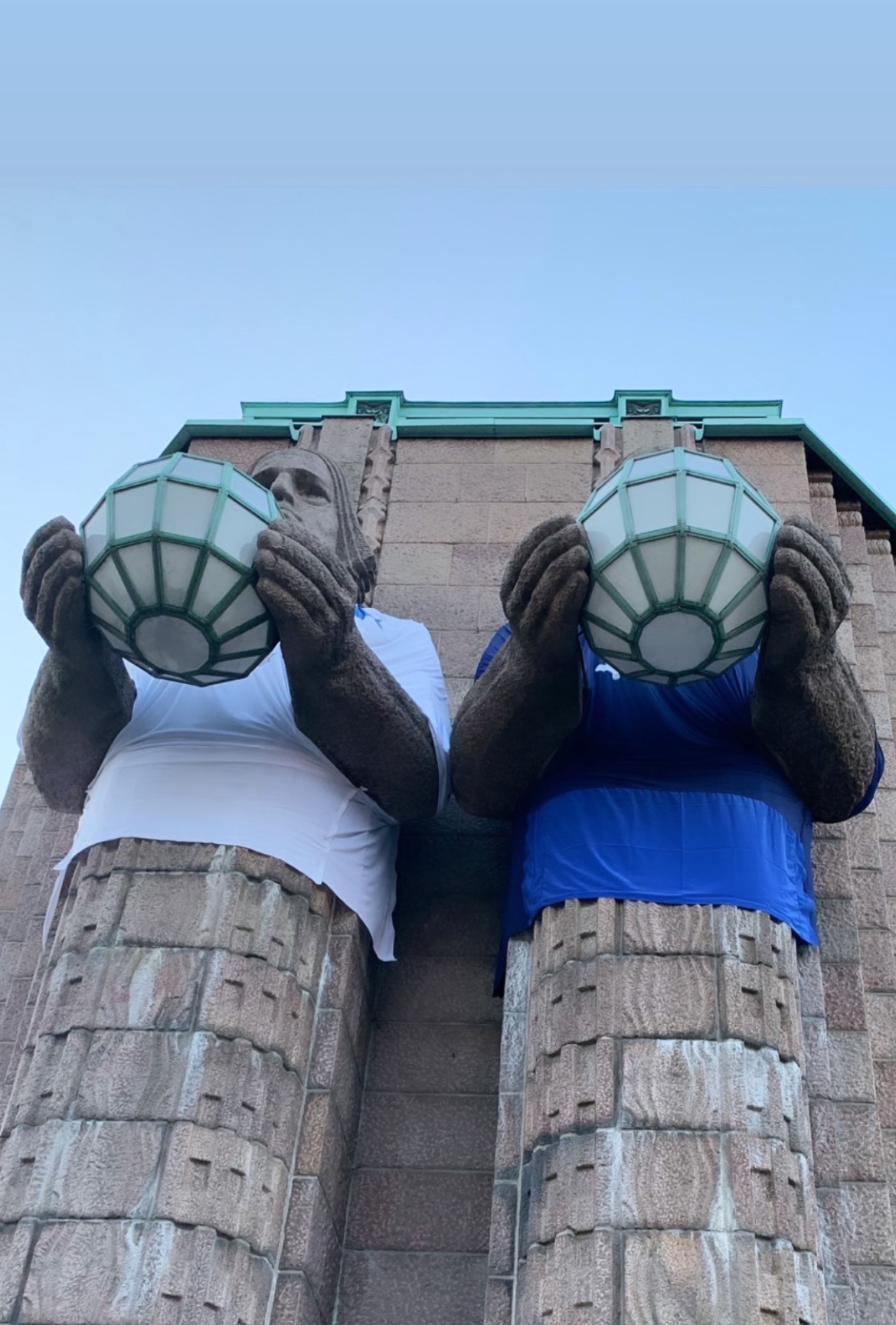
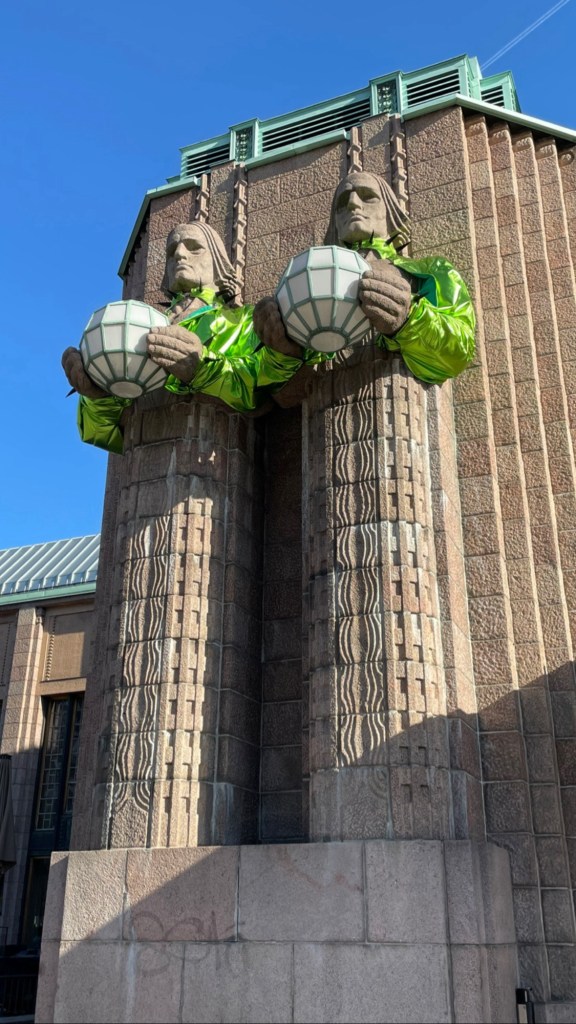
Lyhdynkantajat
Lyhdynkantajat, beyond their timeless elegance, also serve as a canvas for celebrating specific Finnish events. For instance, when Finland wins gold in the Ice Hockey World Championship or achieves great success in Eurovision with hits like “Cha Cha Cha,” these sculptures are adorned with attire reflecting the nation’s spirit.
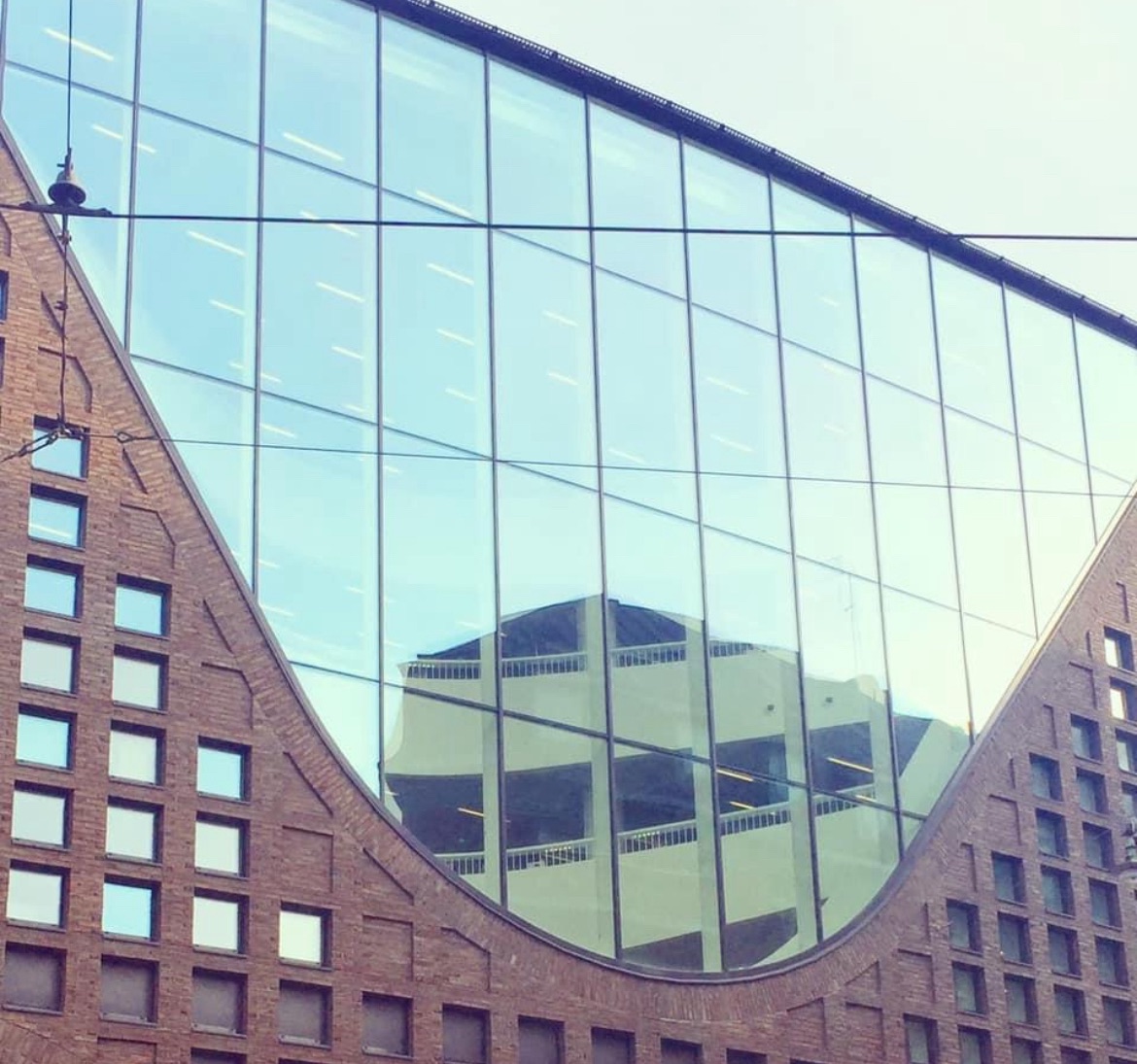
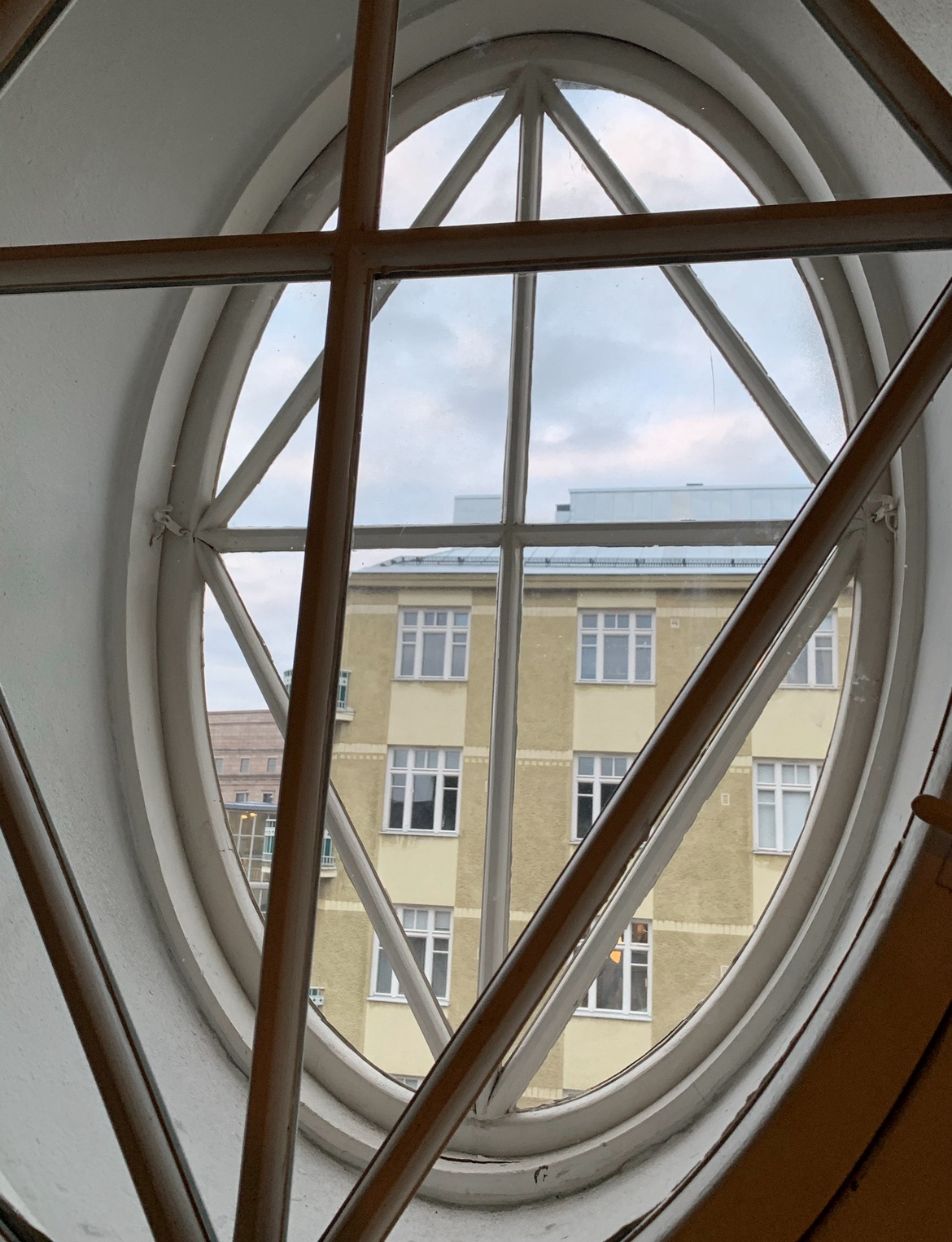
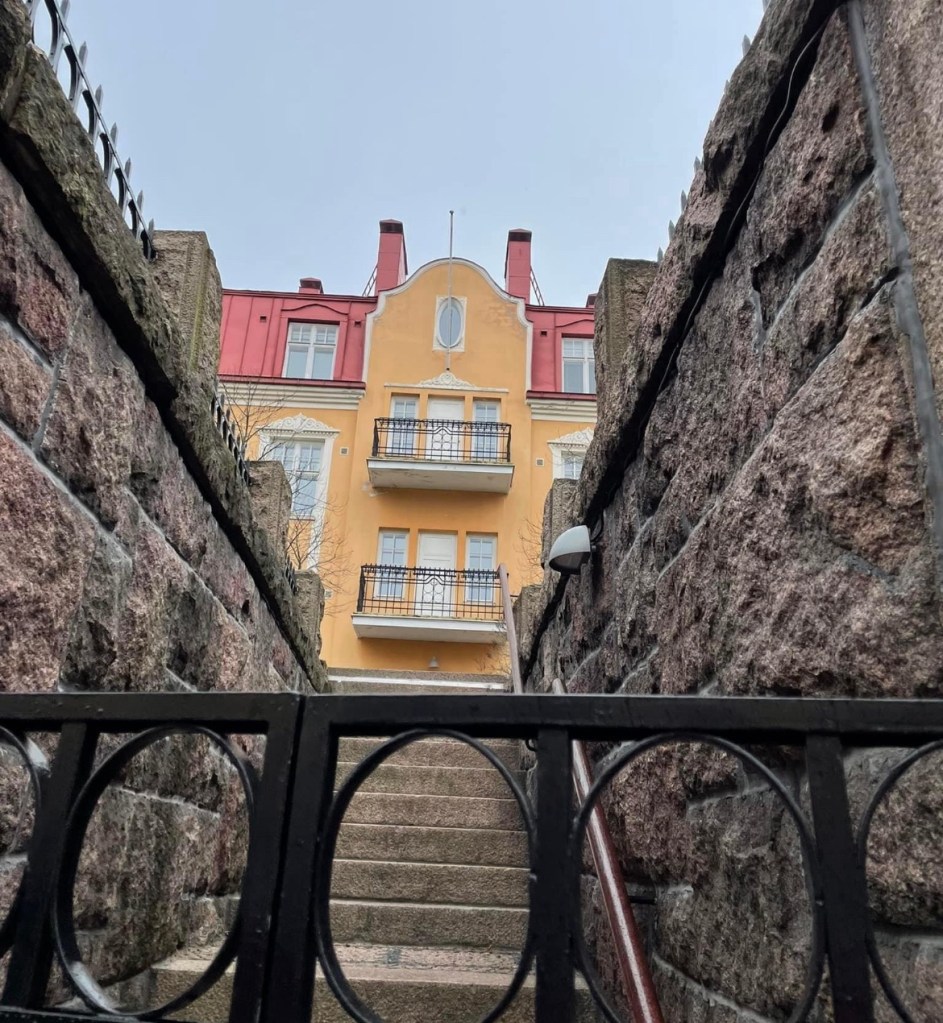
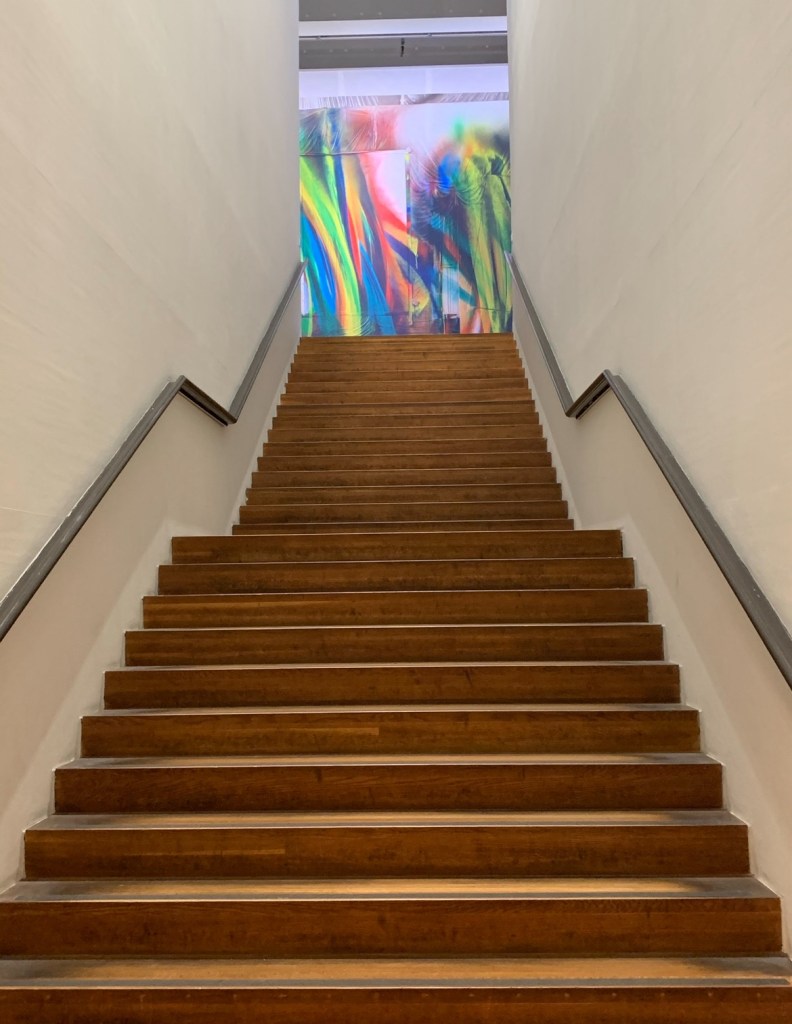
Shapes



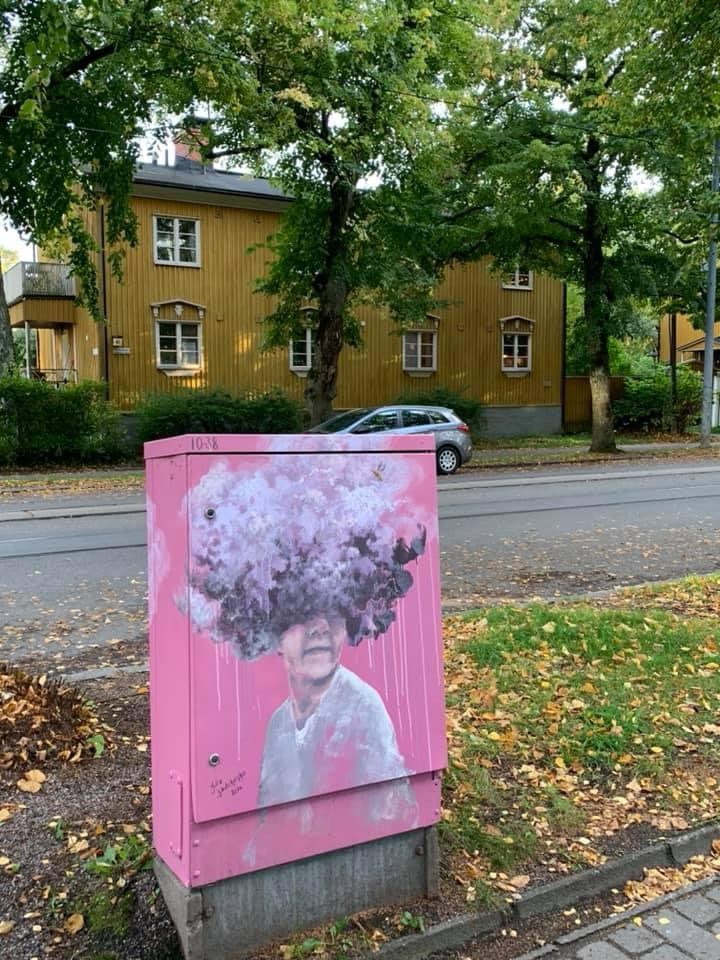
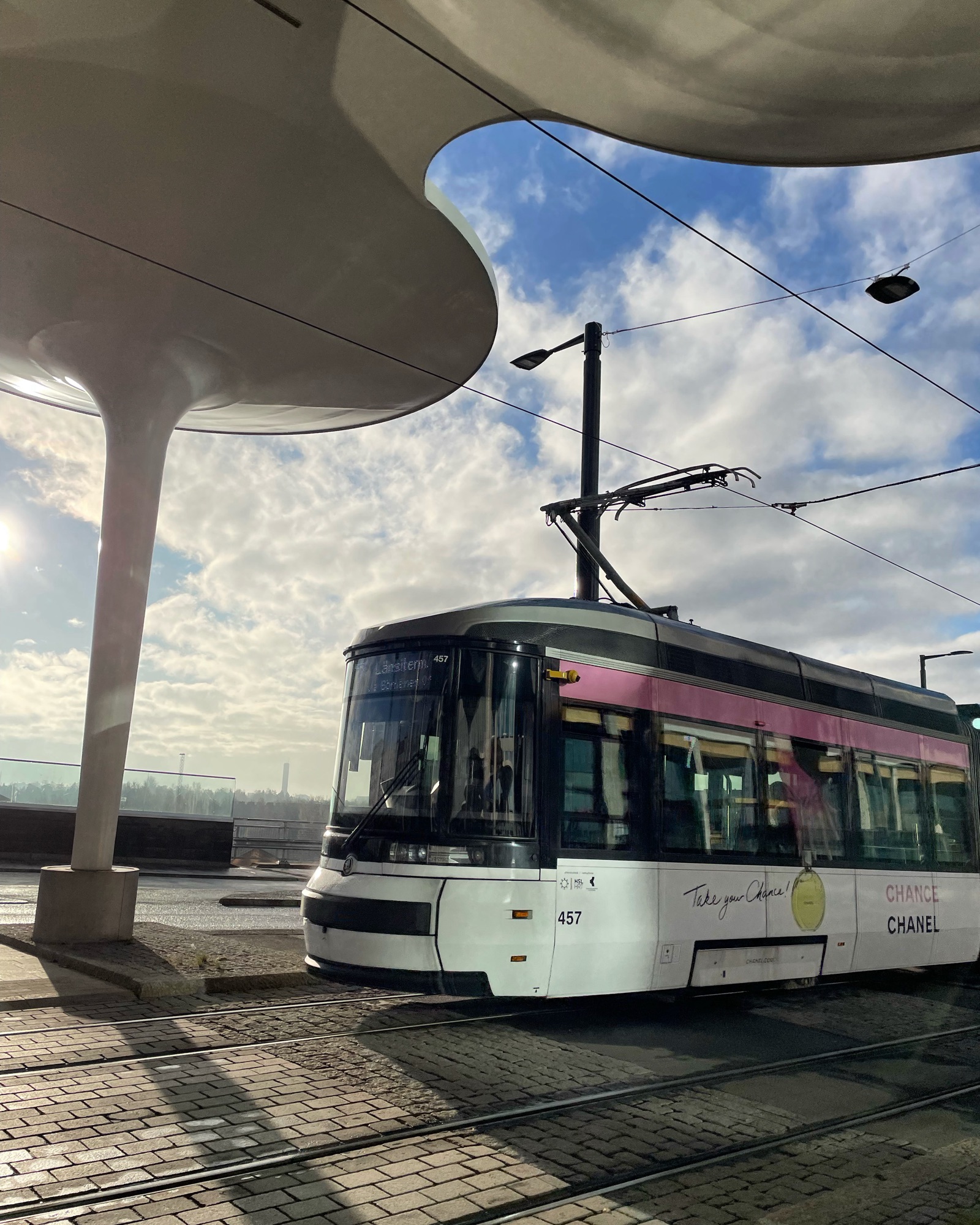
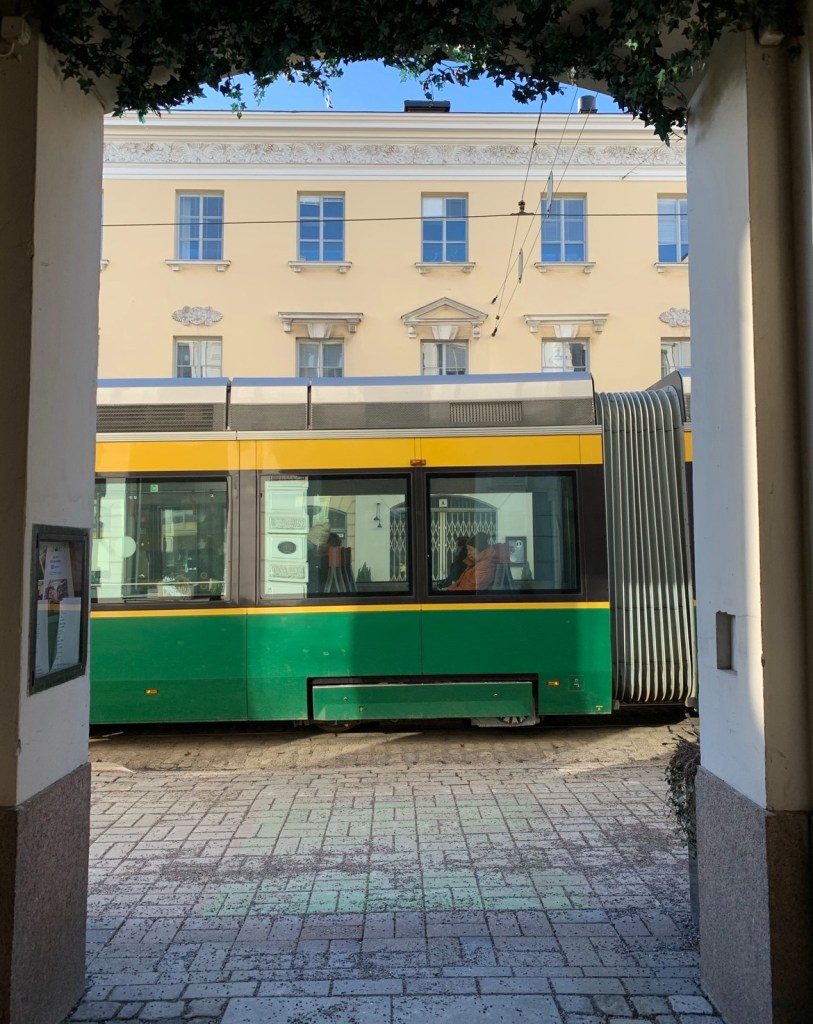
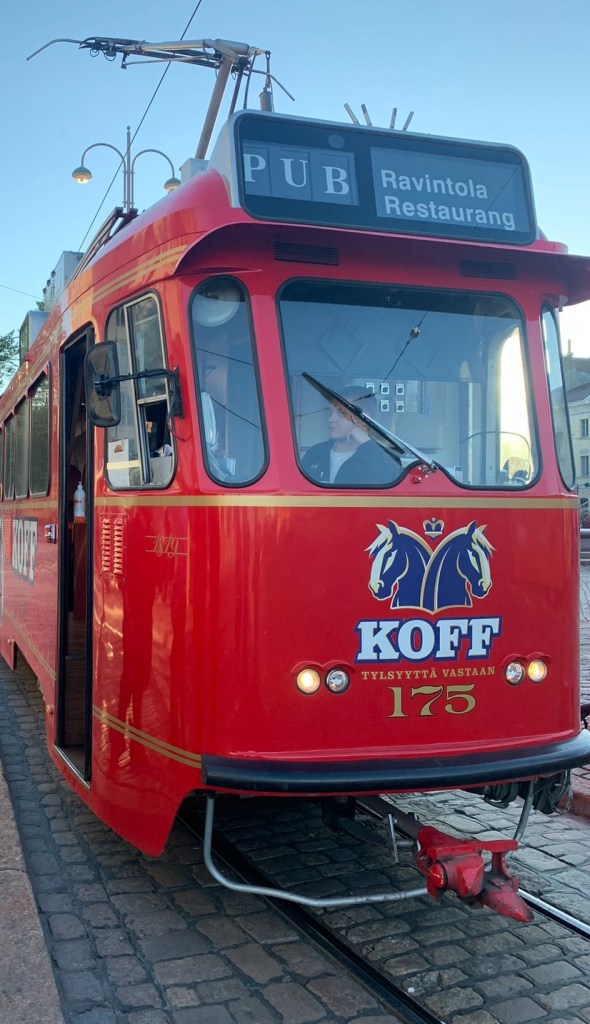
Urban chariots




Nature
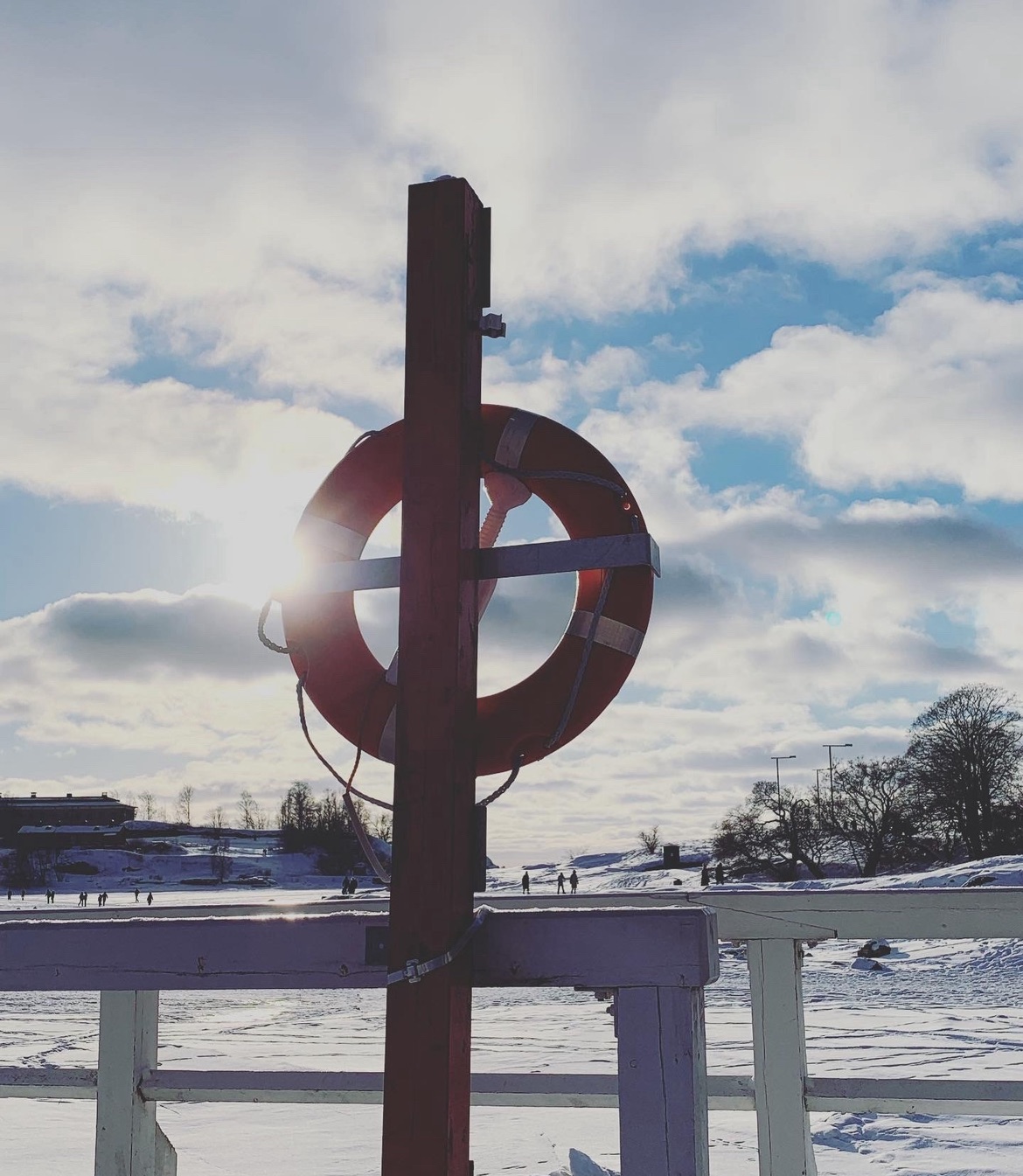
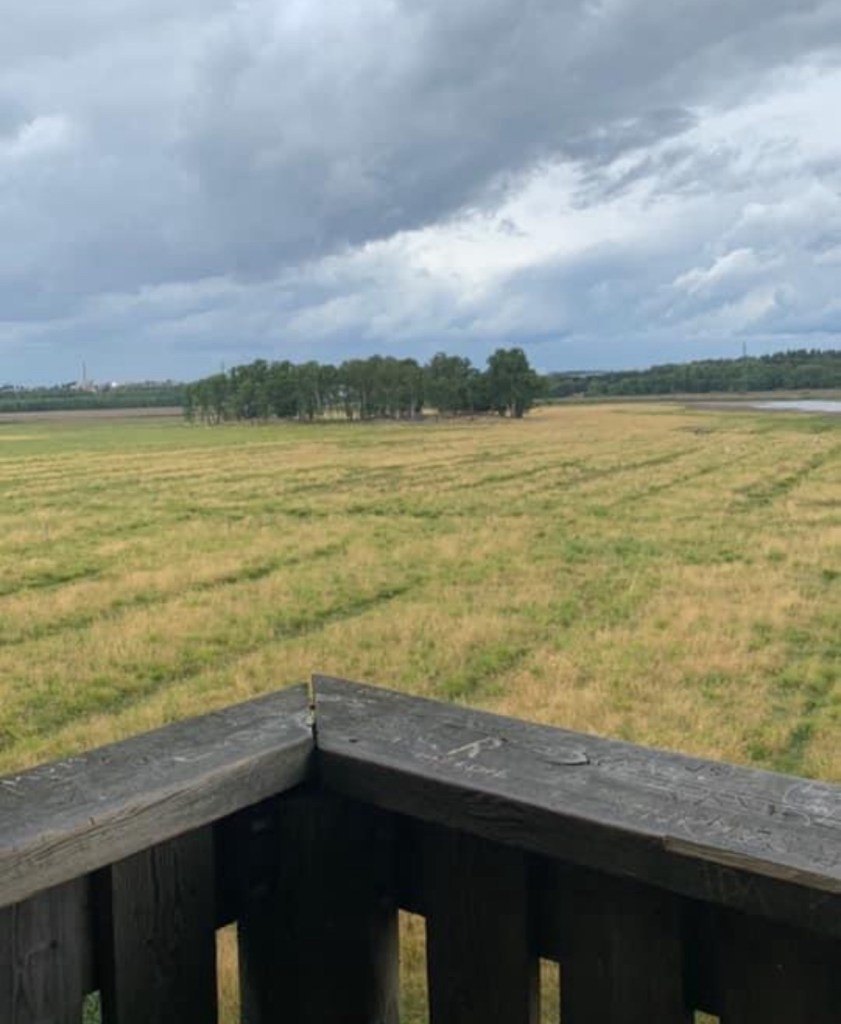
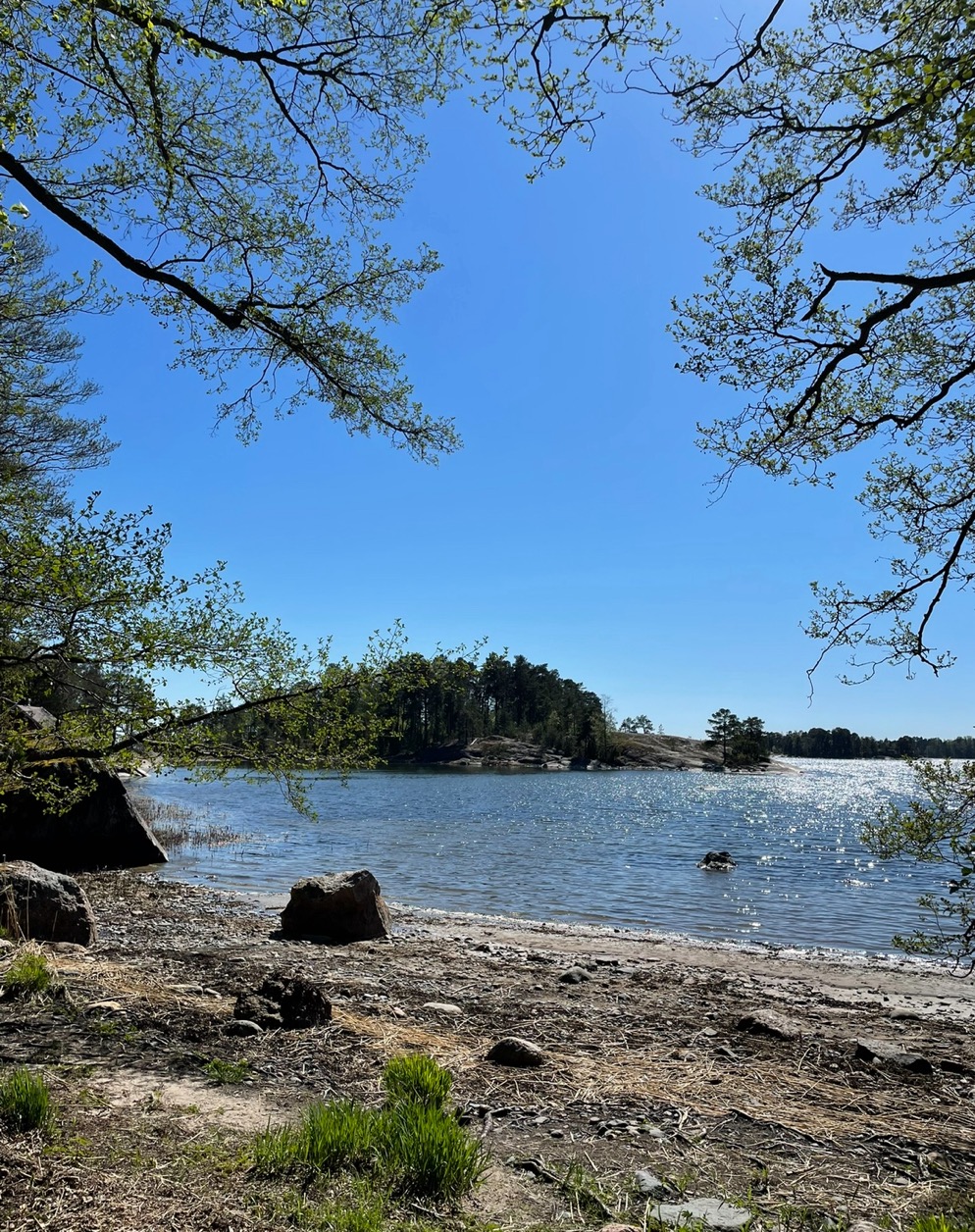
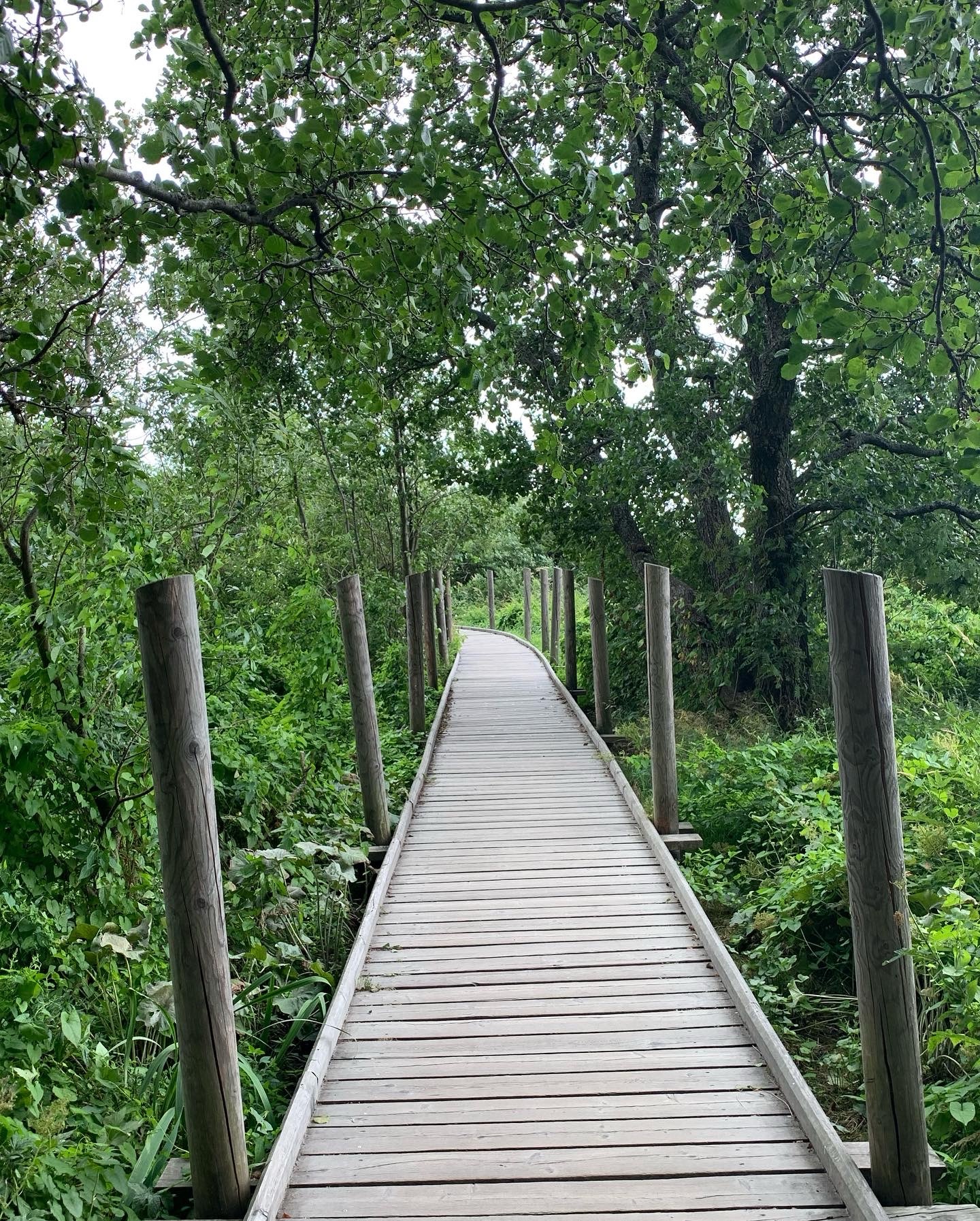
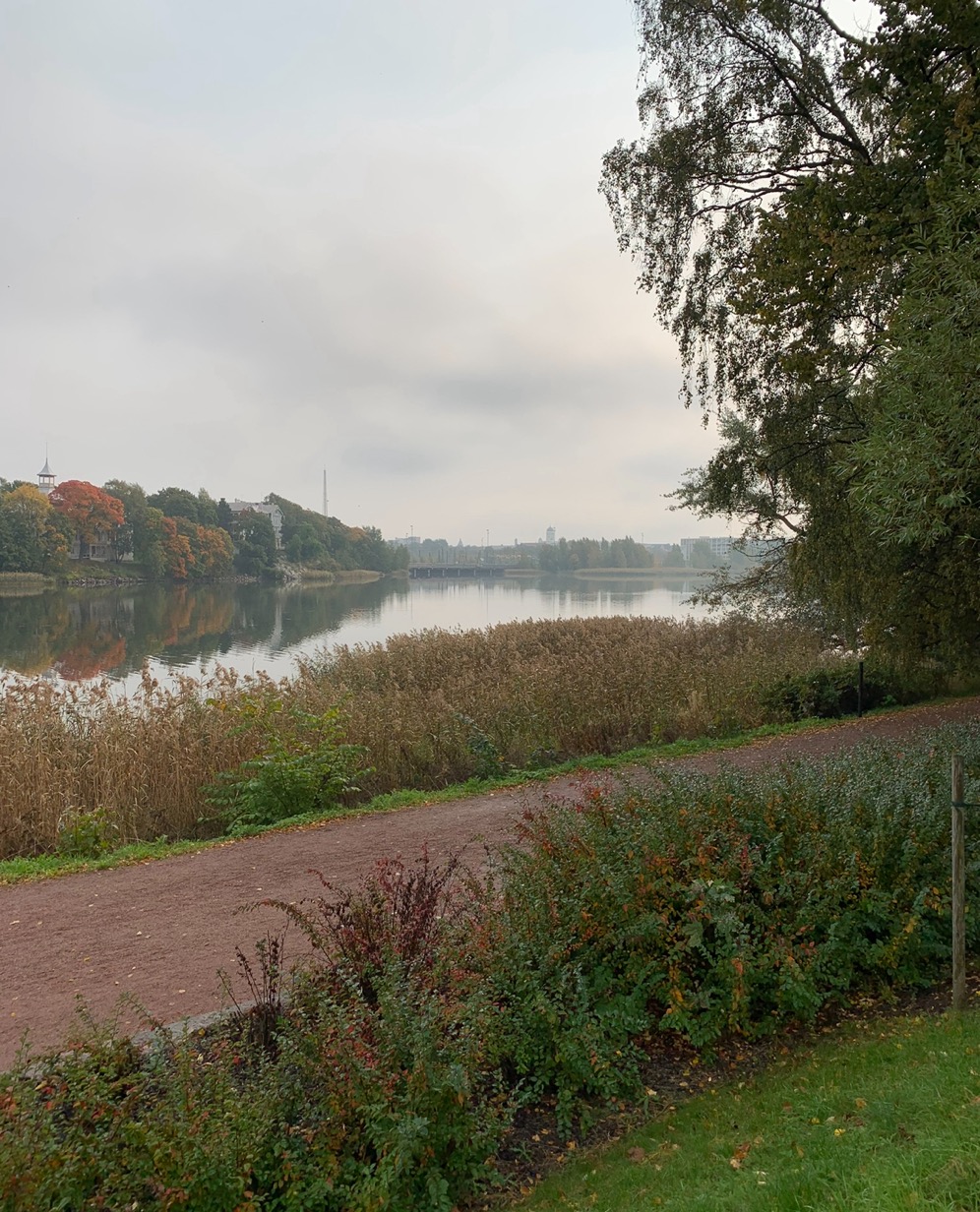
In Helsinki, nature is remarkably close to the residents. It’s convenient to reach the woods from central Helsinki without traveling far. Whether it’s Helsinki Central Park, some of city’s islands, such as, Suomenlinna, Seurasaari, Pihlajasaari, Vallisaari, Isosaari, Lonna or Uunisaari among the others, or Nuuksio park in the Espoo, you will always find nature just a stone’s throw away.
Classics
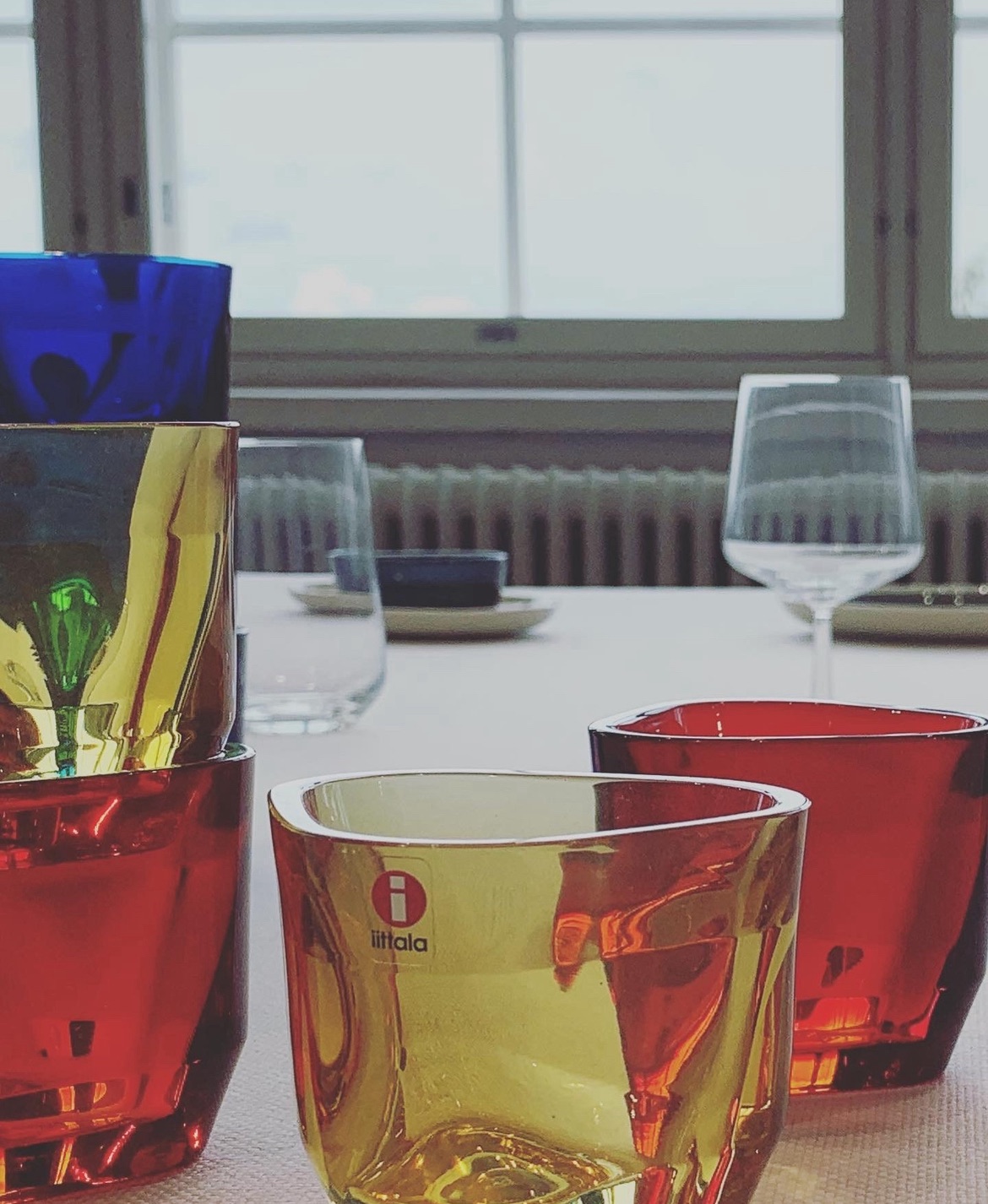
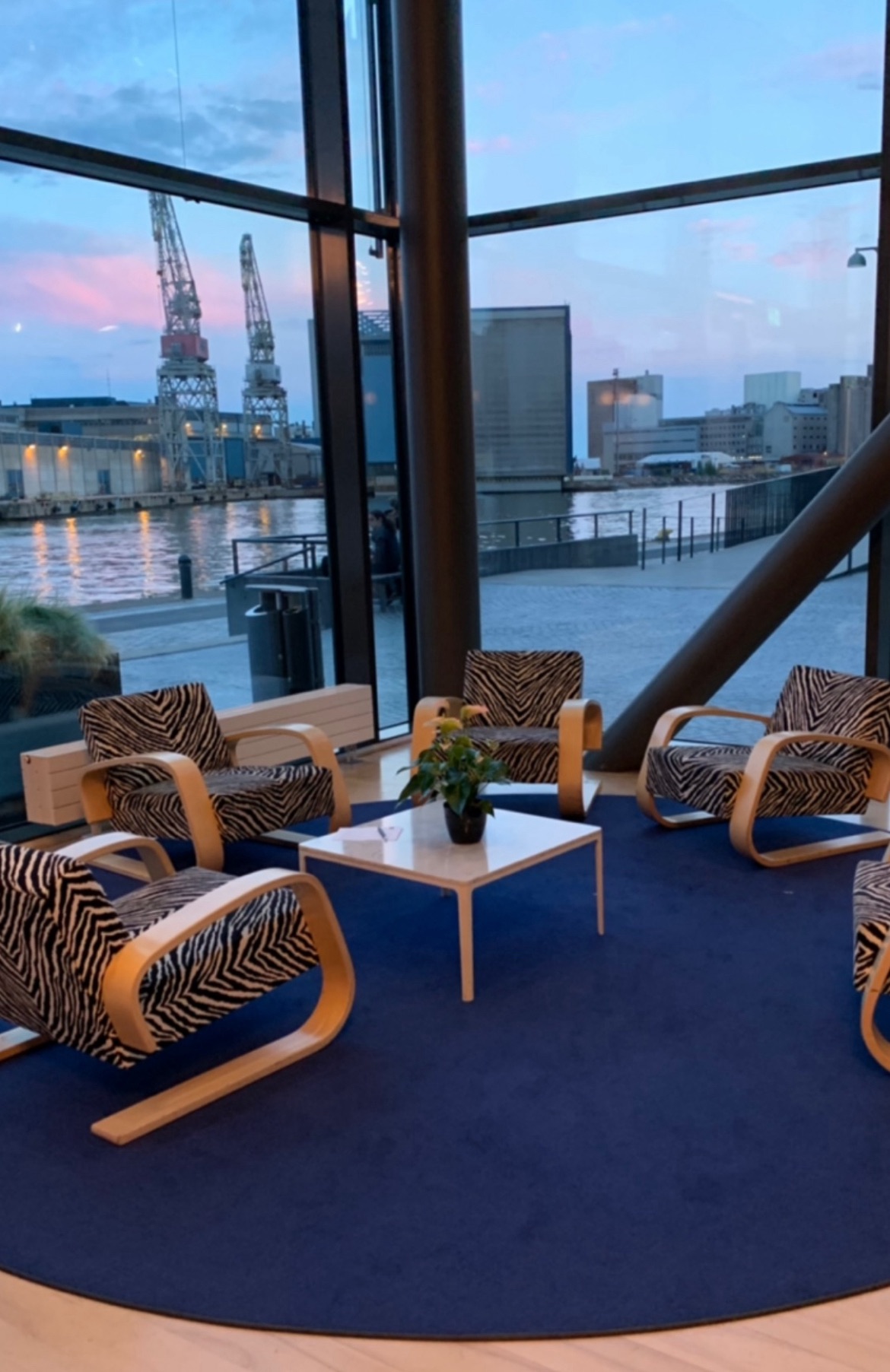
Finland is renowned for the iconic design classics that blend functionality with timeless aesthetics. From furniture to household items and architecture, design reflects a deep connection to nature and practicality.
Together, Aarikka, Iittala, and Artek represent the diversity and innovation inherent in Finnish design, each contributing to Finland’s reputation as a global hub for creativity and craftsmanship in the design world.

Closing remarks
As I conclude this journey through Helsinki’s essence, captured in this blog, I reflect on the words of Tove Jansson, creator of the Moomins. The quote reflects to me that people have the choice to stay in familiar surroundings or go out into the unknown. This decision is personal and must be made while there’s still an opportunity to choose and potentially reconsider.
“There are those who stay at home and those who go away, and it has always been so. Everyone can choose for himself, but he must choose while there is still time and change his mind.”
Snufkin, character in Tove Jansson’s Moomins.
As we navigate life’s journeys—whether staying rooted, distant, or somewhere in between—may we embrace the choices that shape our paths. Let us cherish the moments of discovery and the comfort of familiarity, for in this balance lies the essence of our own city—wherever it may be.
I encourage you to continue discovering the small wonders of wherever you live in, embracing the blend of tradition and modernity that defines our cities. Thank you for joining me on this visual journey, where each snapshot reflects the heart and soul of a city that I call home.
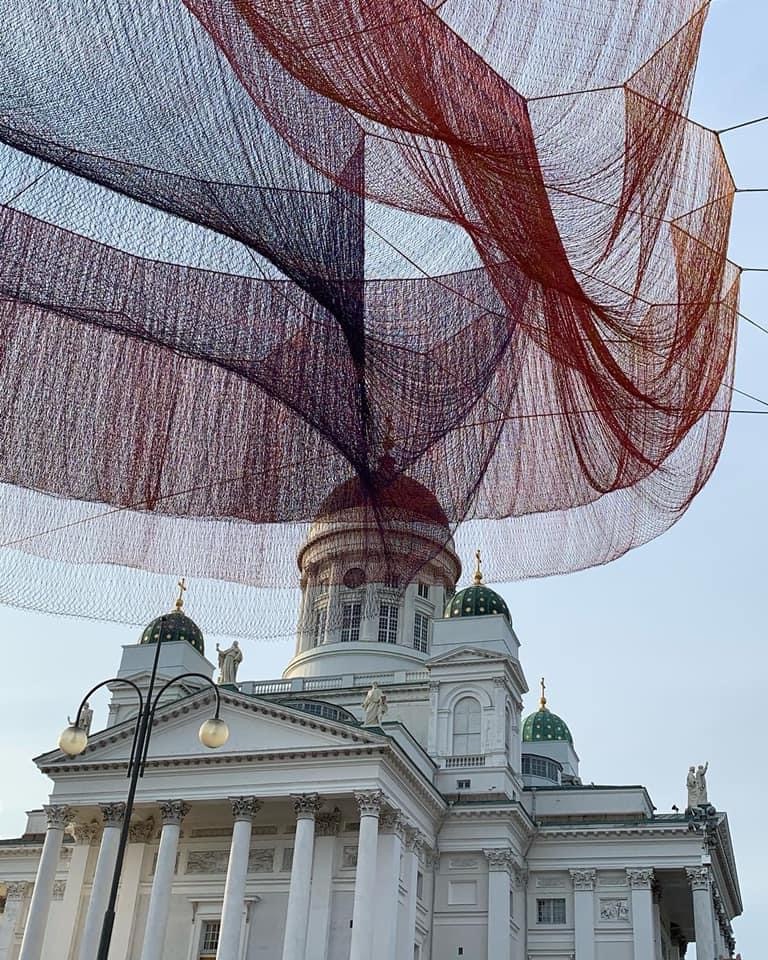
And as a special note, I wanted to share my two all-time favourite Helsinki images: the Tokoinranta in Hakaniemi during the evening, and the surprising art exhibition at Helsinki Cathedral. Small wonders of Helsinki.
All images in this blog were taken with an iPhone, despite what people may say about its quality.


 Jackinna of all Trades